
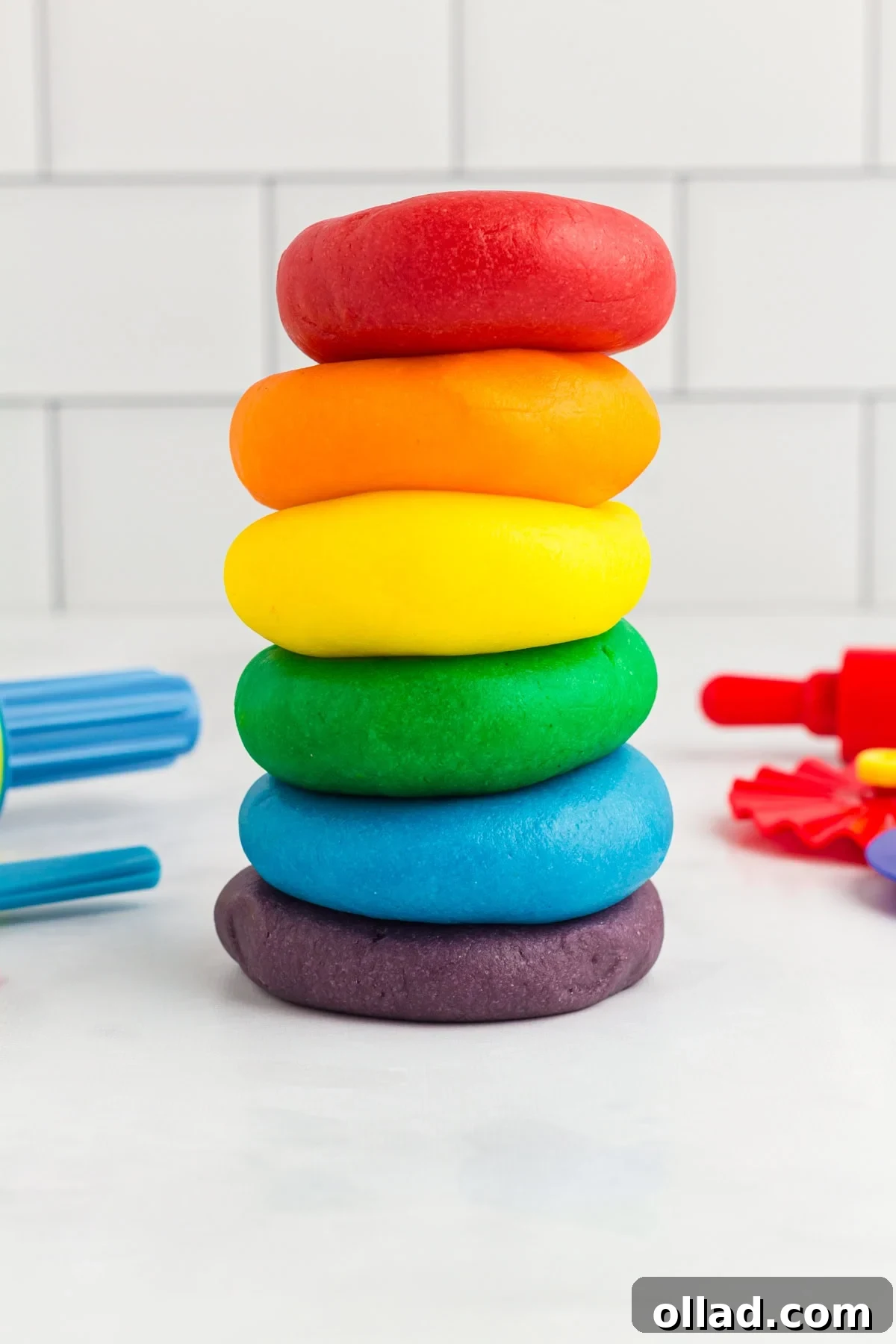
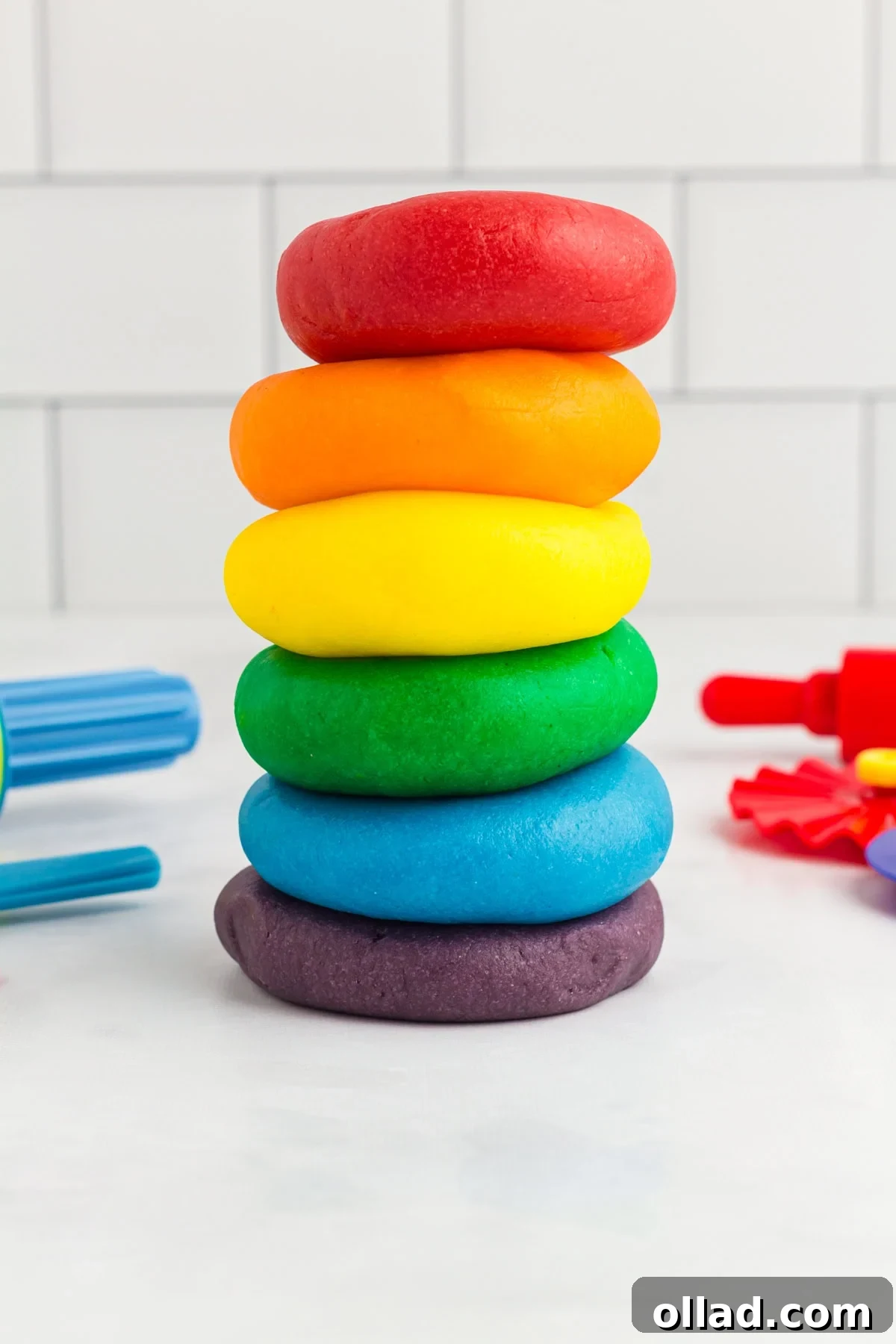
If you’ve been searching for a Play‑Doh recipe that’s genuinely safe for a gluten‑free child, this is it. This gluten‑free Play‑Doh is made on the stovetop in about 10 minutes using white rice flour and cornstarch, so there’s no risk of cross‑contamination and no waiting for a store‑bought tub that may not be safe. The dough cooks up smooth, stretchy, and soft—very similar to the classic toy—and you can tint it any color with a drop or two of gel food coloring. It’s ideal for a rainy afternoon, a birthday party favor, or keeping small hands busy while you prepare dinner.
The Secret to Soft, Squishy, Truly Gluten‑Free Play‑Doh
When I first tried making a safe Play‑Doh for my gluten‑free child, I reached for a commercial gluten‑free flour blend—and it was a disaster. Those blends are designed for baking and often contain xanthan gum or extra starches that alter texture, leaving you with dough that’s either sticky or crumbly and not like the Play‑Doh I remembered. Switching to plain white rice flour and cornstarch made an immediate difference: the mixture came together smooth and pliable, kneaded easily into bright colors, and behaved like the traditional product.
Another essential ingredient is cream of tartar. Skip it and the dough tends to stiffen within a day or two instead of staying soft and stretchy. It’s a small addition but it makes a big difference in shelf life and texture, so don’t omit it. With the right flour combination and cream of tartar, this dough can remain playable for weeks rather than drying out after one afternoon.
What I Learned While Testing
- Measure dry ingredients precisely. Too much rice flour or cornstarch will make the dough dry and crumbly and it won’t come together no matter how long you knead.
- Make it the night before play. Letting the dough rest overnight lets the rice flour fully absorb the liquid and produces a softer, smoother texture.
- Use gel food coloring, not liquid. Gel concentrates color without adding extra liquid that can change the dough’s consistency. Gel brands give the most vibrant results.
Gluten‑free Play‑Doh
Ways to Play With It
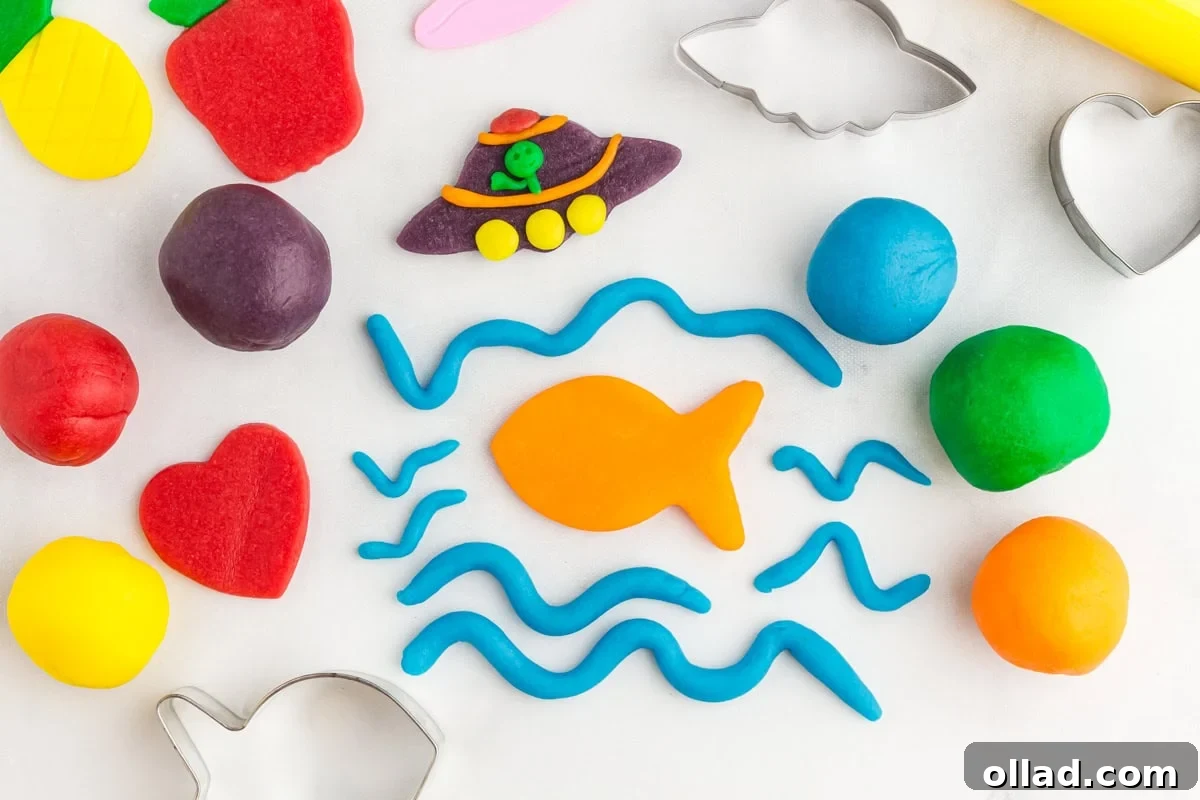
Once the dough is mixed and colored, set kids up with a few simple tools to extend playtime. Cookie cutters make fun shapes, especially if you already bake with your children. A plastic knife and rolling pin let older kids cut and flatten safely. For younger children, bowls and measuring cups turn play into pretend baking, which makes a natural transition to real baking once nap time arrives and you want to bake together.
Gluten‑Free Play‑Doh
Equipment
- 1 medium saucepan
Ingredients
- ½ cup white rice flour
- ½ cup cornstarch
- ⅓ cup table salt
- 1 tbsp cream of tartar
- 1 cup water
- 1 tbsp vegetable oil
- 2–3 drops gel food coloring per color
Instructions
- In a medium saucepan, whisk together the white rice flour, cornstarch, table salt, and cream of tartar until evenly blended.
- Stir the water and vegetable oil into the dry ingredients until no dry streaks remain.
- Heat over low–medium heat, stirring constantly with a silicone spatula. After about 5 minutes the mixture will thicken and begin to pull away from the sides of the pan, gathering around the spatula into a dough. Remove from heat once it holds together in a soft ball.
- Transfer the dough to parchment paper or a silicone baking mat and let it cool a few minutes until it’s comfortable to handle.
- Knead the dough by hand until smooth.
- Divide the dough into portions for each color you want. Add 1 drop of gel food coloring to each portion.
- Knead the color into each portion until fully blended and no white streaks remain. Wearing disposable gloves or kneading inside a sealed food‑safe bag can prevent staining from gel color.
- The Play‑Doh is now ready to play with.
Notes
- Too much rice flour or cornstarch will yield dry, crumbly dough.
- Don’t substitute a multi‑ingredient gluten‑free flour blend—those are designed for baking and will change the texture.
- Cream of tartar helps keep the dough soft instead of stiffening over time.
- If making a single color, you can add the coloring directly to the pot with the water before cooking.
- If the dough dries out, knead in a tiny drop of vegetable oil to revive it.
- Always check labels for cross‑contamination warnings on the ingredients you buy.
- The higher salt content helps resist mold, but inspect and smell any batch stored for weeks before returning it to children.
How to Make Gluten‑Free Play‑Doh Step by Step
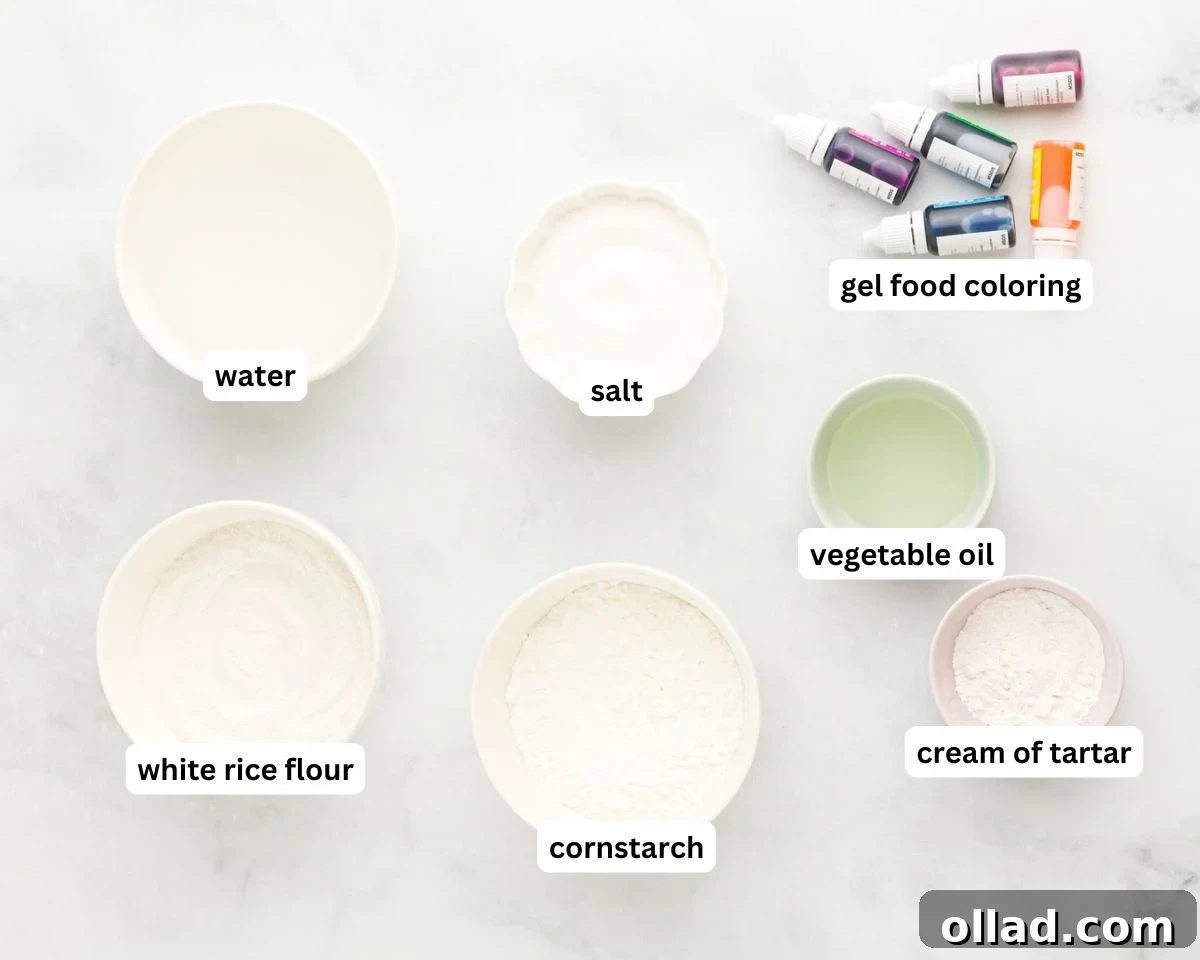
Gather all ingredients and a heatproof saucepan. Having your gel colors measured out before you start makes finishing and dividing the dough easier.
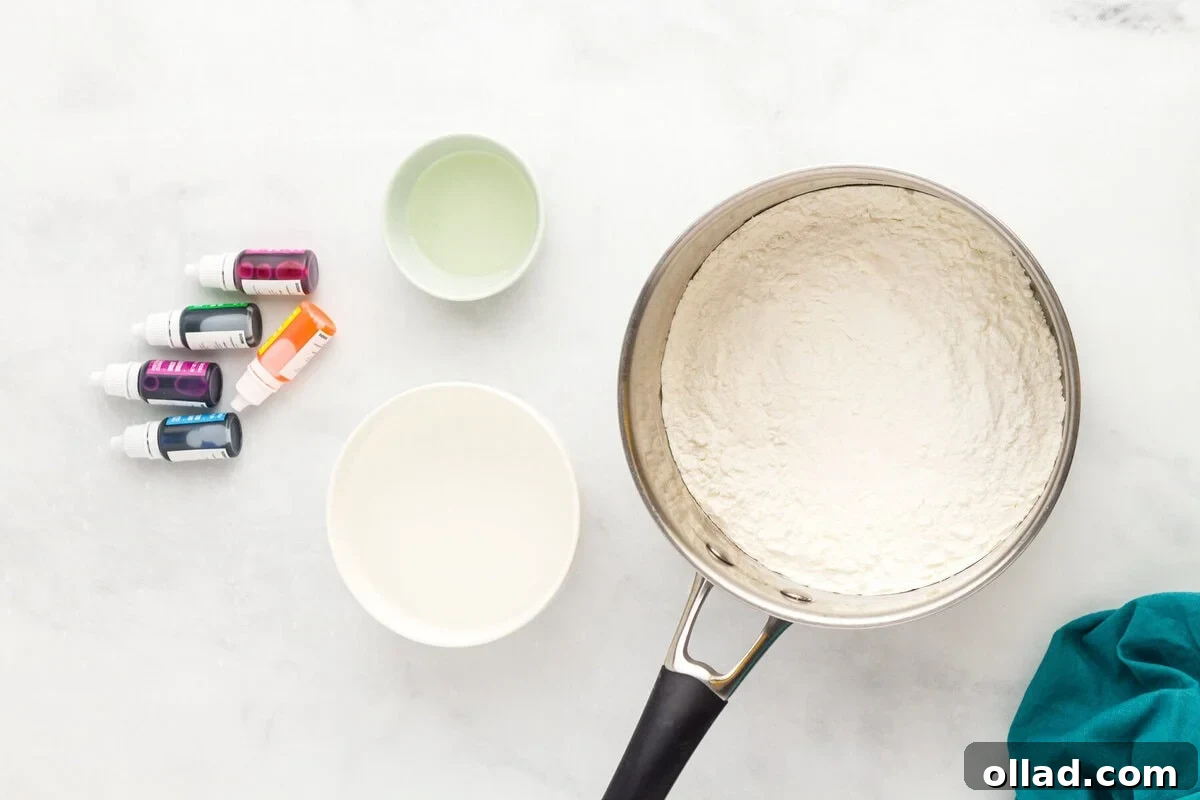
Mix the dry ingredients: In a medium saucepan, whisk together ½ cup white rice flour, ½ cup cornstarch, ⅓ cup salt, and 1 tablespoon cream of tartar until evenly combined.
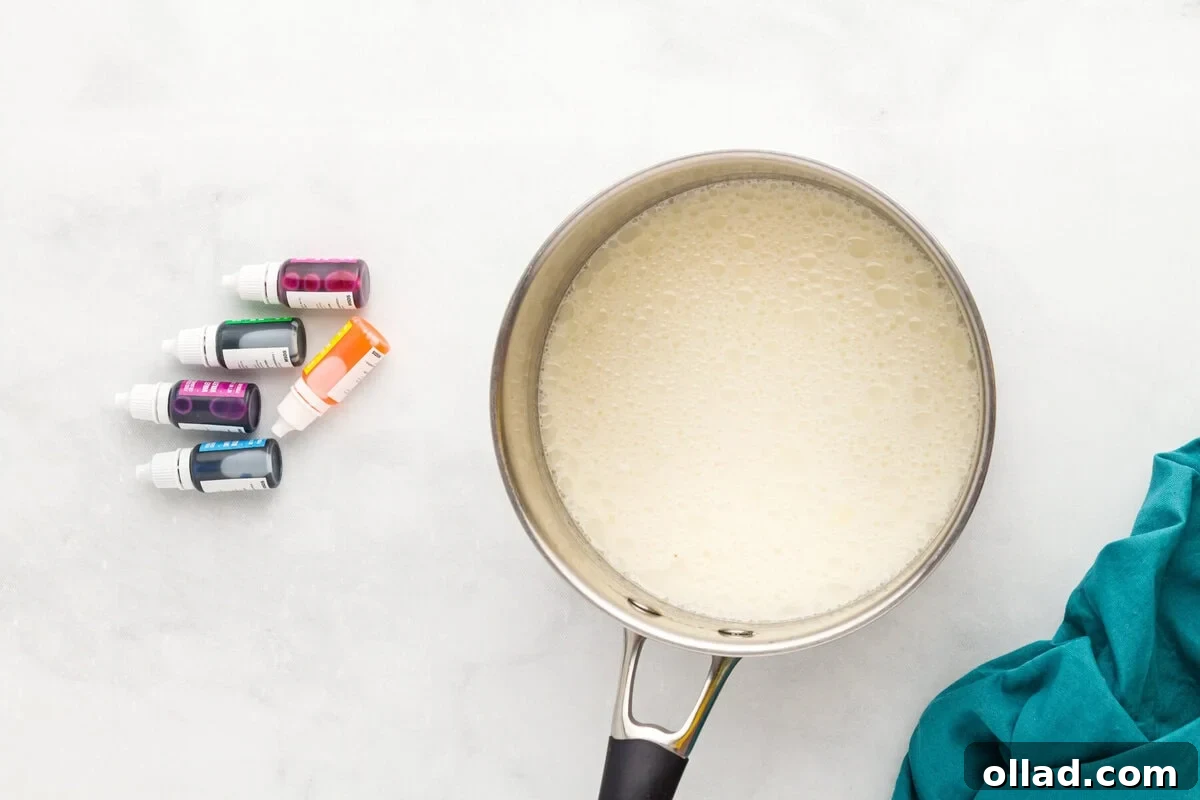
Stir in water and oil: Add 1 cup water and 1 tablespoon vegetable oil, stirring until no dry streaks remain.
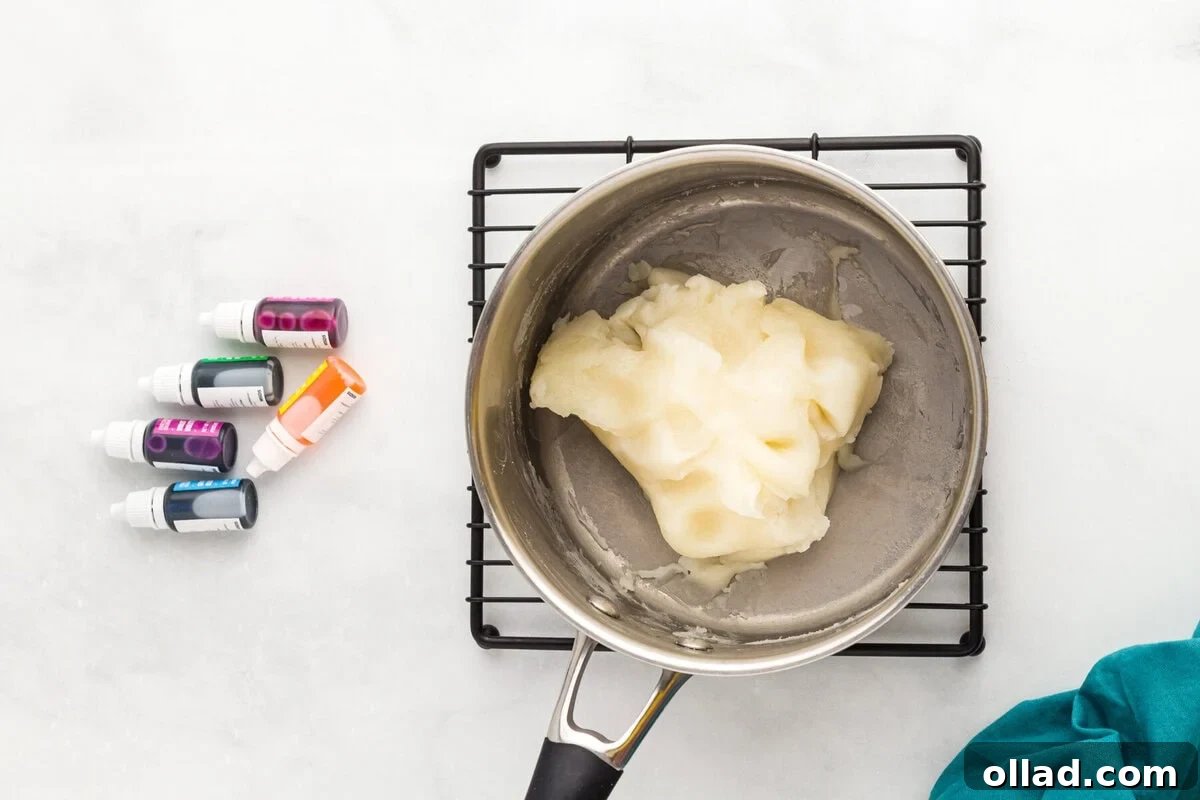
Cook the dough: Cook over low–medium heat, stirring constantly. The mixture will thicken and eventually pull together into a cohesive, soft ball—about 5 minutes. Remove from heat when it forms a dough.
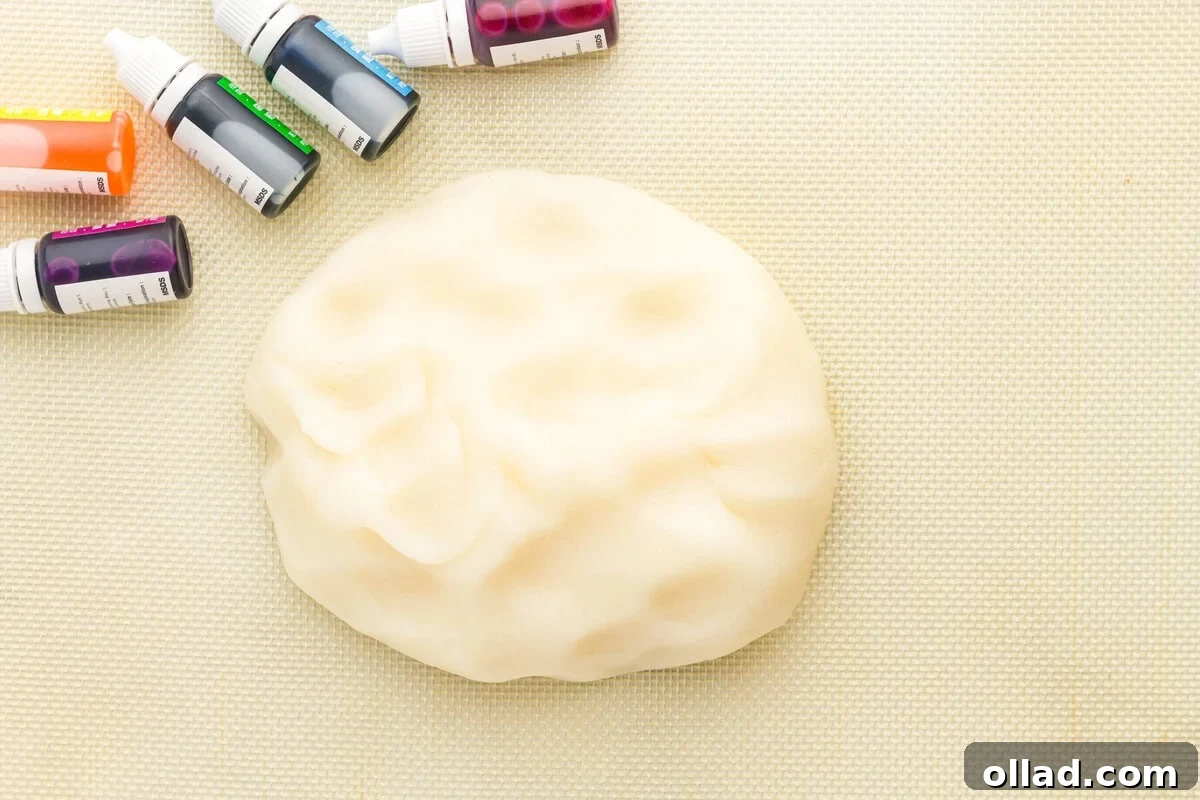
Cool and knead: Transfer the dough to parchment or a silicone mat and let it cool until safe to touch. Knead until smooth, then divide and color as desired. Wearing gloves is recommended to avoid stained hands.
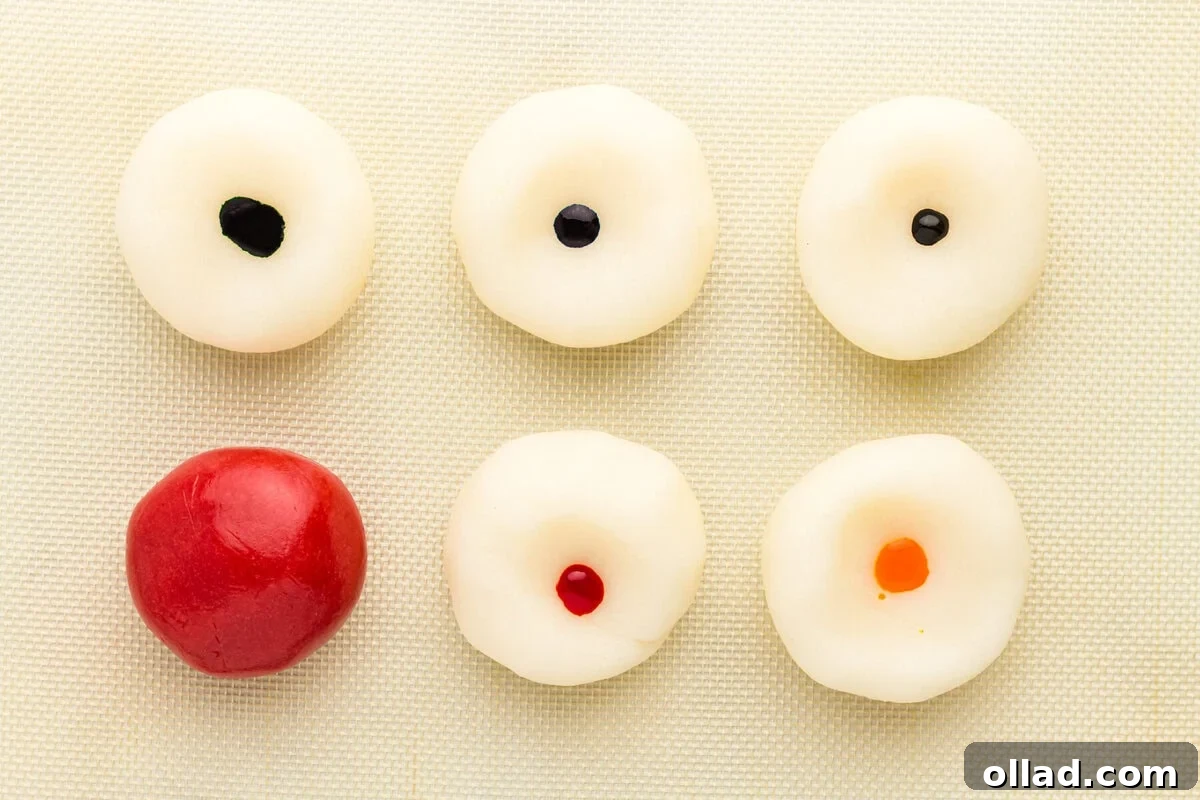
Knead in the color: Work the gel color into each portion until fully blended with no white streaks remaining. Let dough cool completely before storing.
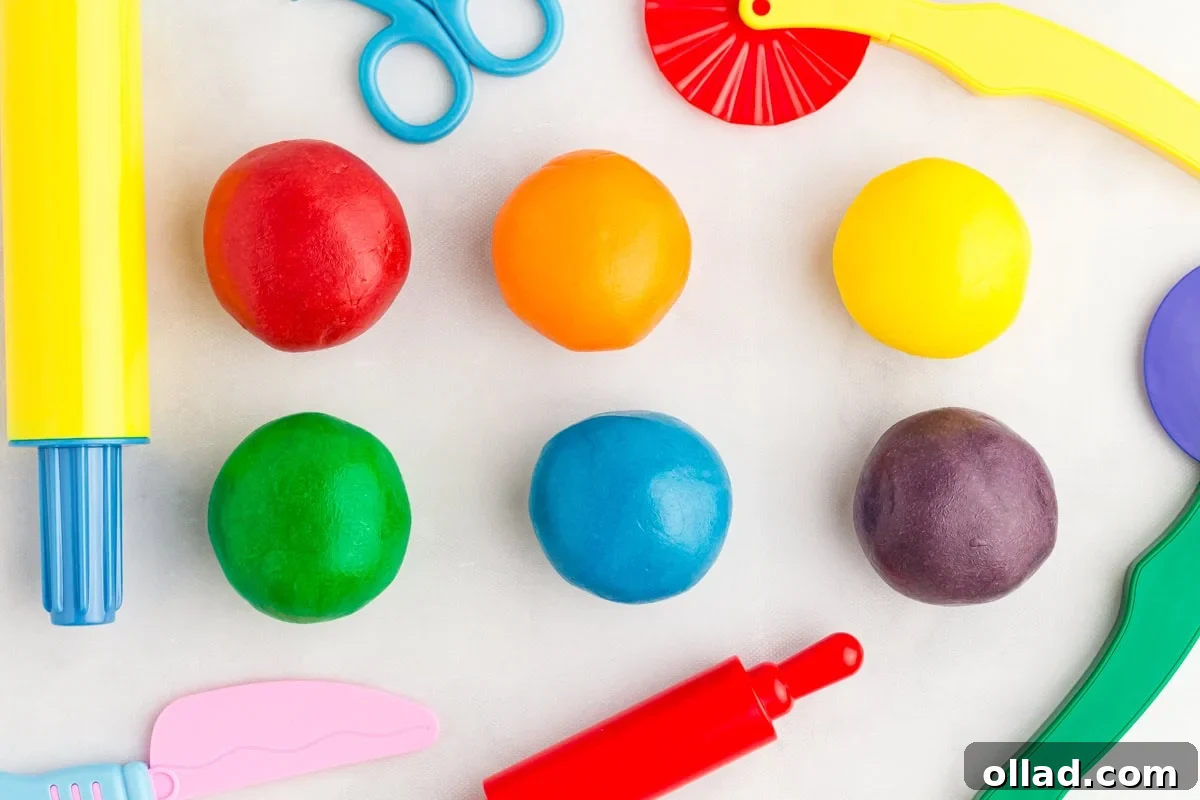
Storage Instructions
Store completely cooled Play‑Doh in a sealed, food‑safe container or a resealable food‑safe bag. When kept airtight at room temperature, it stays soft and playable for 2–3 months.
Reviving Dried‑Out Dough
If the dough becomes stiff or crumbly, knead in a very small drop of vegetable oil, adding more sparingly until the texture returns to soft and pliable.
Make Ahead
This dough benefits from resting. Make it the night before use so the rice flour has extra time to absorb moisture; you’ll notice a smoother, softer result the next day.
A Note on Mold
The recipe’s relatively high salt content helps resist mold, contributing to the dough’s shelf stability. Even so, check stored batches for any off smells or visible mold before returning them to children after several weeks.
More Gluten‑Free Recipes to Bake Together
- Gluten‑Free Cut‑Out Sugar Cookies — Soft, buttery cookies that hold their shape and are great for cutter‑and‑decorate activities.
- The 20‑Minute Gluten‑Free Sugar Cookies — A quicker cookie option with no chilling required.
- Gluten‑Free Gingerbread Cookies — Holiday‑friendly dough kids can cut and decorate.
- Gluten‑Free Sugar Blossom Cookies — A colorful, hands‑on baking project for parties.