
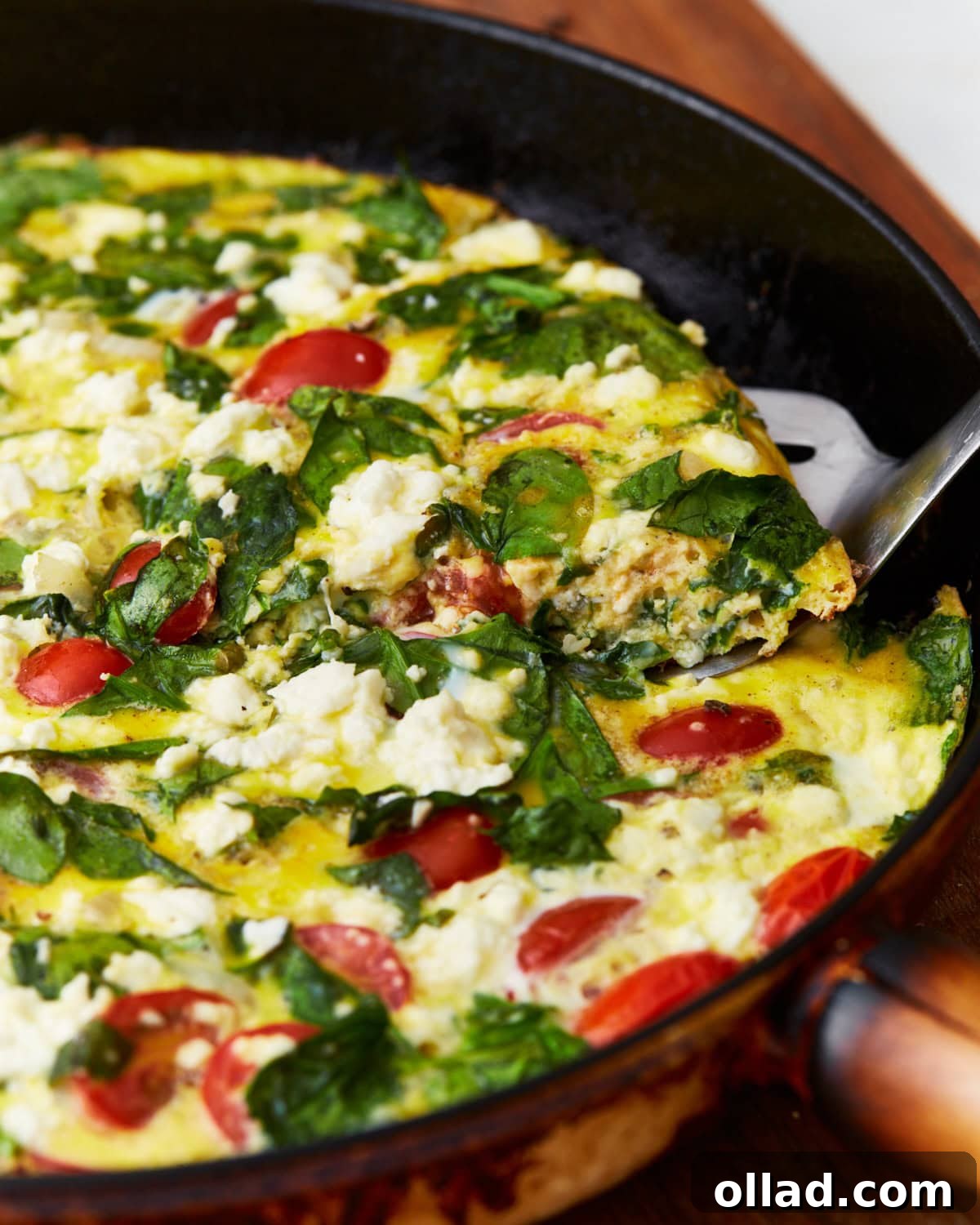
Delight in the simplicity and versatility of this light and savory **Gluten-Free Frittata**, a perfect solution for effortless meals. These crustless quiches are not only easy and quick to prepare but also incredibly delicious, making them ideal for meal prep, casual brunches, or feeding a hungry crowd. Whether you’re navigating a gluten-free diet or simply seeking a wholesome, customizable dish, this frittata offers a satisfying and flavorful experience.
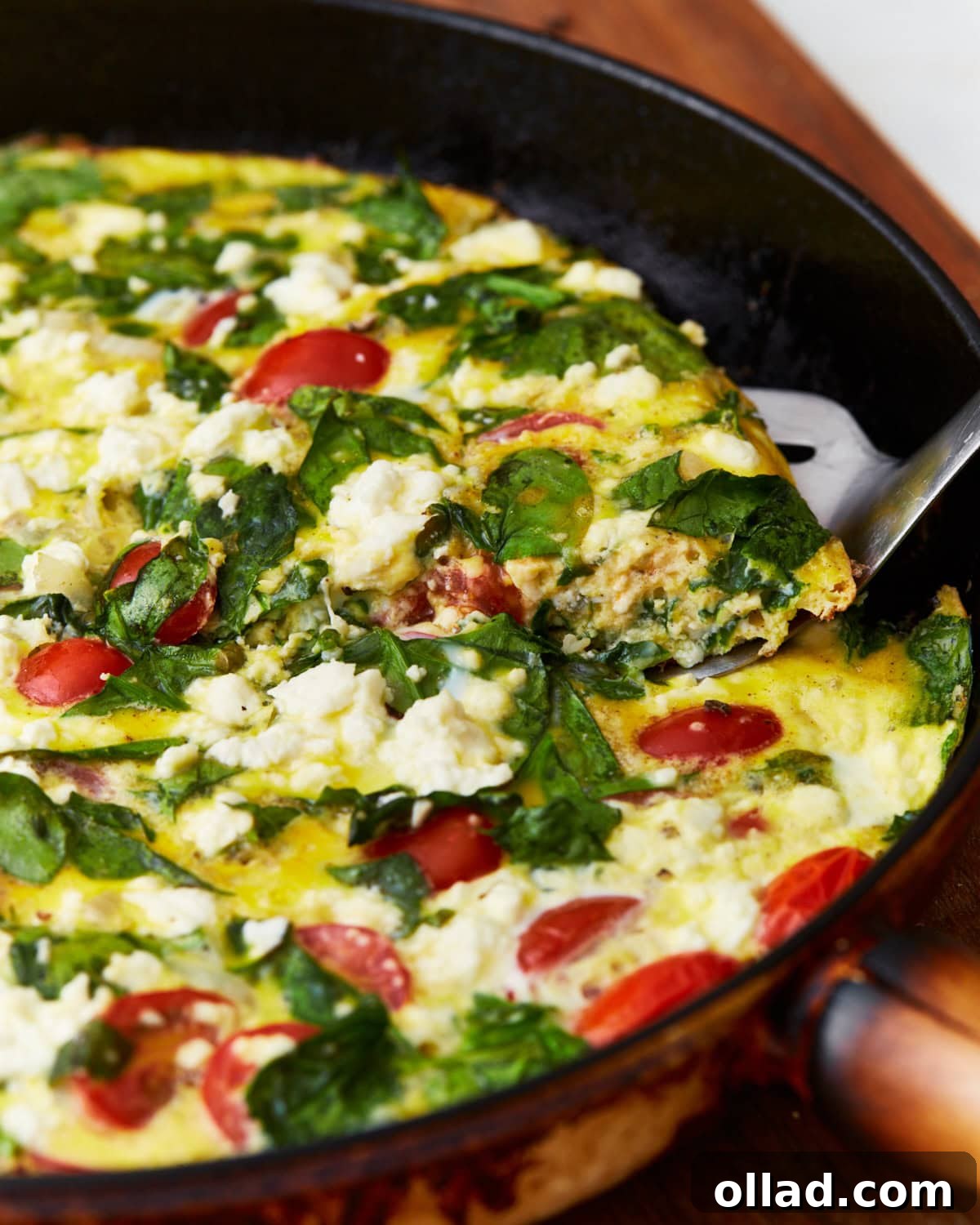
I genuinely adore egg bakes, and frittatas hold a special place at the top of my list. They stand out as one of the easiest and most adaptable meals you can create, effortlessly catering to various tastes and dietary needs. Whenever I need a reliable gluten-free option to serve many guests, I can quickly whip this frittata together, either in advance or on the day of the event. My favorite aspect is its crustless nature, distinguishing it from my gluten-free quiche and ensuring it’s completely gluten-free. With a few simple adjustments, it can also be easily made dairy-free, making it a truly inclusive dish for everyone at the table.
For this particular recipe, I’ve crafted a delightful Mediterranean-inspired egg dish, brimming with fresh, juicy tomatoes, tender spinach, and tangy feta cheese. What I love most about these versatile egg casseroles is the freedom they offer. You can truly use any ingredients your heart desires, transforming it into a rustic yet sophisticated egg bake with endless possibilities. Sometimes, I enjoy experimenting by adding spicy Italian sausage, creamy goat cheese, or colorful bell peppers to create a whole new flavor profile.
Frittata: A Simple & Flavorful Crustless Quiche
Sabine Venier
6 servings
10
30
40
Ingredients
- 6 large eggs
- 1/4 cup milk, For dairy-free, use an unsweetened/full-fat alternative milk, such as almond milk.
- 1/2 teaspoon salt
- 1/4 teaspoon pepper
- 2 tablespoons cooking oil*
- 1 yellow onion, diced
- 2 cups fresh spinach, roughly chopped (about 4 ounces)
- 1 pint grape tomatoes, halved
- 1/4 cup feta cheese crumbles**, For dairy-free, omit or use a non-dairy option like Violife Just Like Cheddar Shreds.
Instructions
-
Preheat your oven to 350ºF (175ºC).
-
In a large bowl, whisk together the eggs, milk (or dairy-free alternative), salt, and pepper until well combined. Set this egg mixture aside.
-
Dice the yellow onion and set it aside.
-
Heat an oven-safe skillet (preferably cast iron) over medium heat. Add the cooking oil and sauté the diced onion until it becomes soft and translucent, about 5-7 minutes.
-
While the onion is cooking, roughly chop the fresh spinach and slice the grape tomatoes in half.
-
Add the chopped spinach and halved tomatoes to the skillet with the onions. Stir quickly to combine them, but avoid cooking or wilting the spinach excessively.
-
Immediately pour the whisked egg mixture evenly over the vegetables in the skillet. It’s perfectly fine if the eggs don’t completely cover all the vegetables. Then, sprinkle the crumbled feta cheese over the top of the egg mixture.
-
Continue cooking the frittata on the stovetop over medium heat for about 3 minutes, or until the edges of the eggs begin to set.
-
Carefully transfer the skillet to the preheated oven. Bake for approximately 15 minutes, or until the eggs are set in the center but still show a slight wobble. Total bake time can vary, so start checking around 8-10 minutes. Remember, the frittata will continue to cook as it cools in the hot pan, so it’s better to slightly undercook than overcook at this stage.
-
Remove the frittata from the oven and let it cool in the pan for about 5 minutes before slicing and serving. If, upon slicing, you find the eggs are not fully set, simply return the frittata to the oven for an additional 2-3 minutes.
Recipe Notes for Success
*The Right Cooking Oil is Key! Even with a meticulously seasoned cast iron skillet, a generous layer of cooking oil is your best friend. It acts as a crucial barrier, ensuring that your delicate egg mixture doesn’t stick to the pan and allows for easy, clean slices every time.
**I opted for delicious feta cheese in this recipe, which adds a wonderful salty tang. However, frittatas are incredibly versatile! Feel free to experiment with other cheeses like savory cotija, creamy goat cheese, or a rich shredded cheese blend to tailor the flavor to your preference.
**If you’re using a skillet that is **not cast iron**, it’s absolutely essential to **double-check that it is oven-safe**. Always avoid pans with plastic handles, plastic connectors, or non-stick coatings like Teflon when transferring to the oven, as these can melt or release harmful fumes.
Nutrition Information (per serving)
Serving: 1 slice
Calories: 151 kcal
Carbohydrates: 6 g
Protein: 8 g
Fat: 11 g
Saturated Fat: 3 g
Polyunsaturated Fat: 2 g
Monounsaturated Fat: 5 g
Trans Fat: 0.04 g
Cholesterol: 170 mg
Sodium: 344 mg
Potassium: 350 mg
Fiber: 2 g
Sugar: 4 g
Vitamin A: 1876 IU
Vitamin C: 15 mg
Calcium: 90 mg
Iron: 1 mg
Nutrition information is automatically calculated and should only be used as an approximation. Individual results may vary based on exact ingredients and preparation methods.
Additional Recipe Information
Tried this recipe?
Share your culinary creations! Mention @mamaknowsglutenfree or tag #mamaknowsglutenfree on Instagram to show us your delicious frittata!
Mastering the Frittata: Different Cooking Methods
Frittatas are wonderfully adaptable, not just in their ingredients but also in their cooking methods. Choosing the right technique can make all the difference in achieving that perfect texture and flavor. Here are the most popular ways to cook a frittata, ensuring a delicious outcome every time:
- The Stovetop-to-Oven Hybrid Method: This is my absolute favorite and highly recommended approach for achieving a perfectly cooked frittata without the risk of overcooking the bottom layer of eggs. It’s particularly effective when your fillings need a preliminary sauté before the egg mixture is added. I strongly suggest using a well-seasoned cast-iron skillet for superior heat distribution and a beautiful crust. However, a good quality, oven-safe stainless steel pan, properly oiled, will also work wonderfully. Always double-check that your chosen pan is genuinely oven-safe to avoid any kitchen mishaps.
- Pure Stovetop Method: If you prefer to keep things entirely on the stovetop, this method is certainly feasible. The key here is to maintain a consistently low heat. Gently cook the frittata mixture, allowing the eggs to set slowly and evenly from the bottom up. Resist the urge to cover the pan, as this can trap steam and introduce unwanted moisture, leading to a less desirable texture. Patience is a virtue with this method, ensuring the eggs cook through without burning.
- Oven-Only Method: For times when your frittata fillings are already pre-cooked or require no initial sautéing, the oven-only method offers a hands-off and convenient option. Begin by preheating your cast-iron skillet in the oven, or use a suitable baking dish if you don’t have an oven-safe skillet. Once warm, carefully add your prepared fillings and the egg mixture. Baking it entirely in the oven ensures an even cook and can be great for larger batches. Just ensure your chosen dish can withstand high oven temperatures.
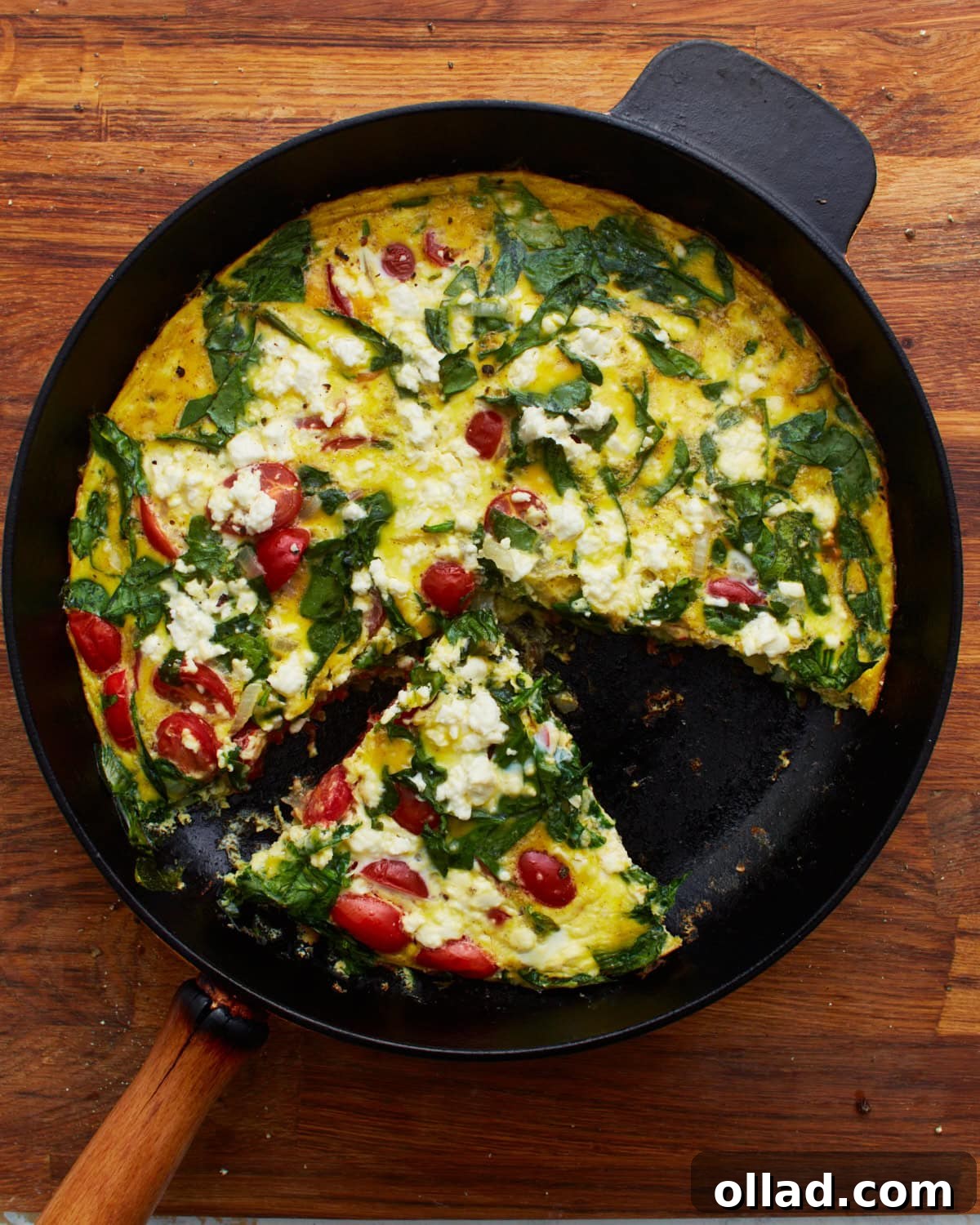
Crafting Your Gluten-Free Frittata: A Step-by-Step Visual Guide
Making a delicious frittata is simpler than you might think, especially with this easy-to-follow visual guide. Each step is designed to help you achieve a perfectly fluffy and flavorful egg bake. Gather your ingredients and let’s get cooking!
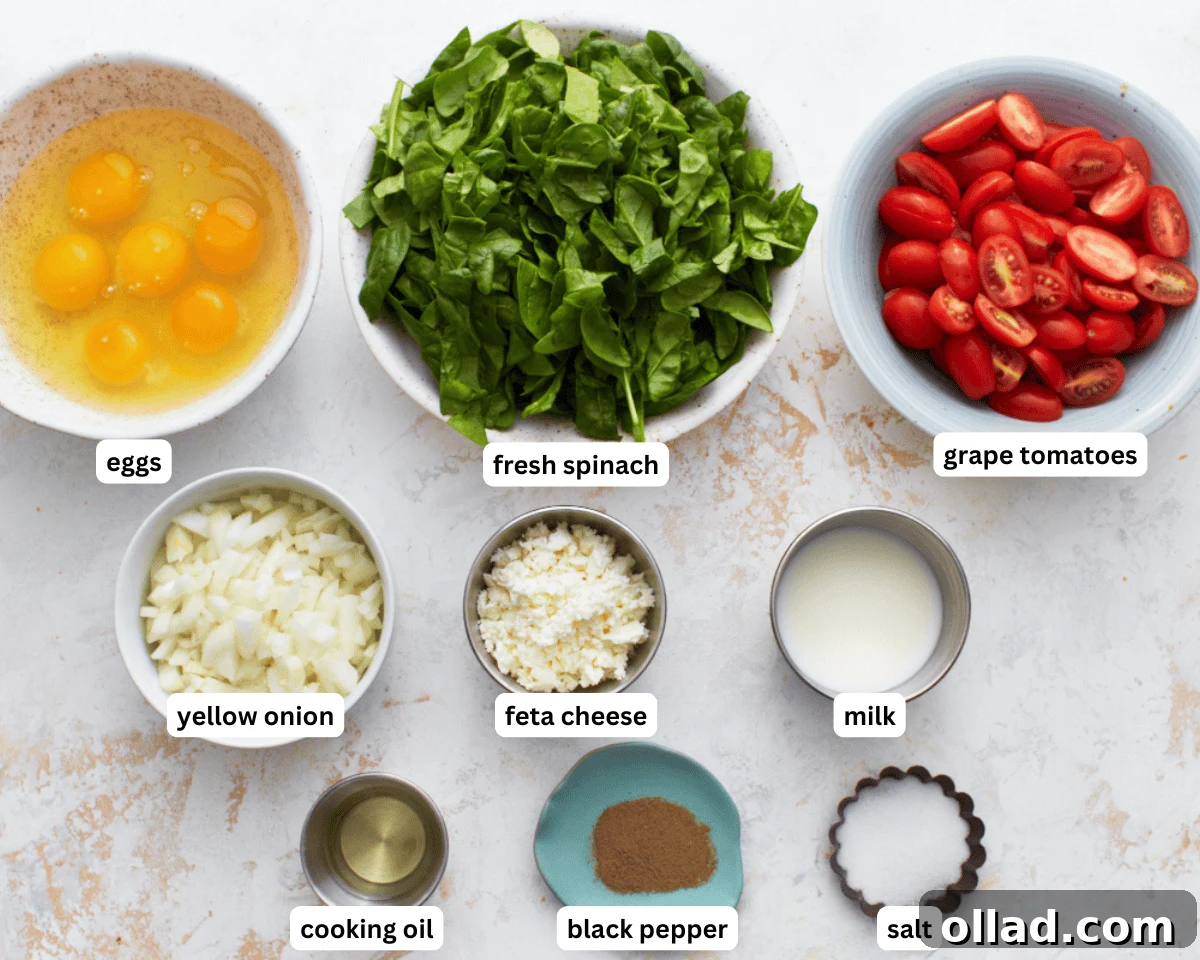
Step 1: Gather Your Ingredients. Lay out all your fresh ingredients on your counter. This ensures a smooth and efficient cooking process, preventing you from scrambling mid-recipe. Having everything prepped and ready is a chef’s best secret!
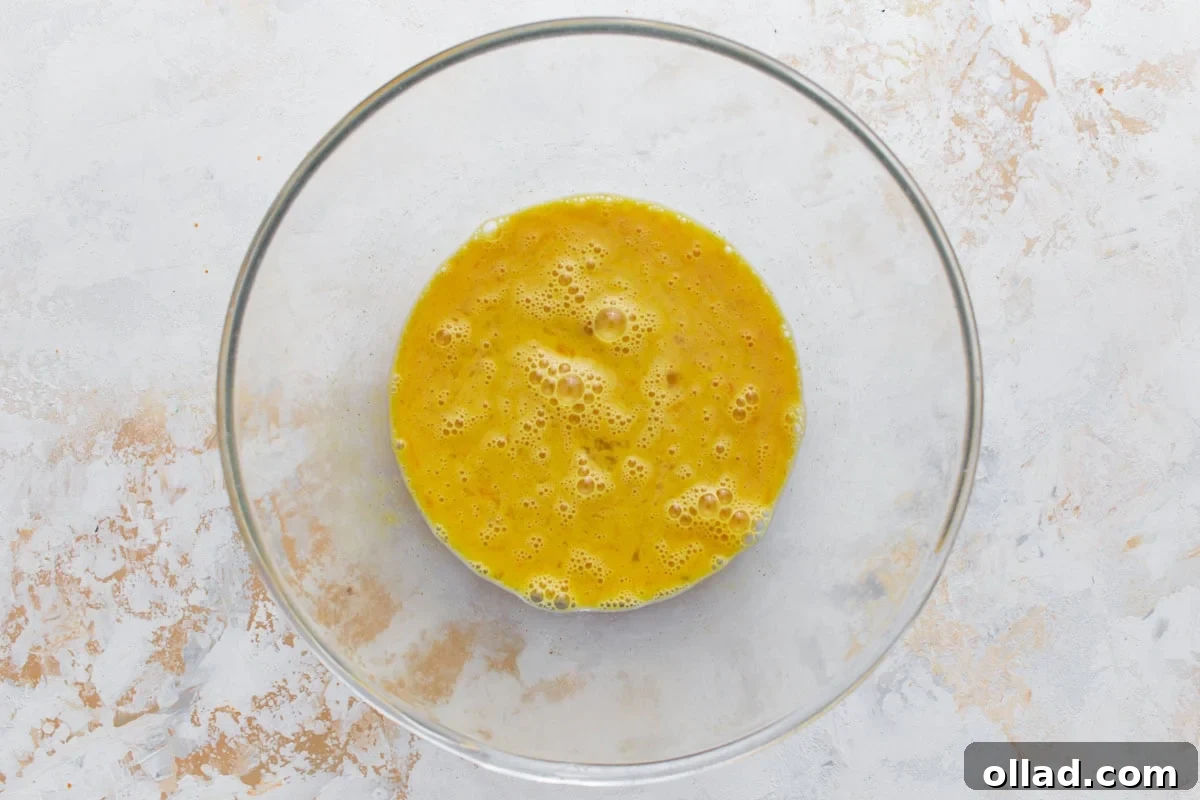
Step 2: Prepare the Egg Base. Begin by preheating your oven to 350ºF (175ºC). In a spacious mixing bowl, vigorously whisk together 6 large eggs, ¼ cup of milk (or your preferred dairy-free alternative), ½ teaspoon of salt, and ¼ teaspoon of freshly ground black pepper. Whisk until the mixture is light yellow and slightly frothy, then set it aside. This forms the essential creamy foundation of your frittata.
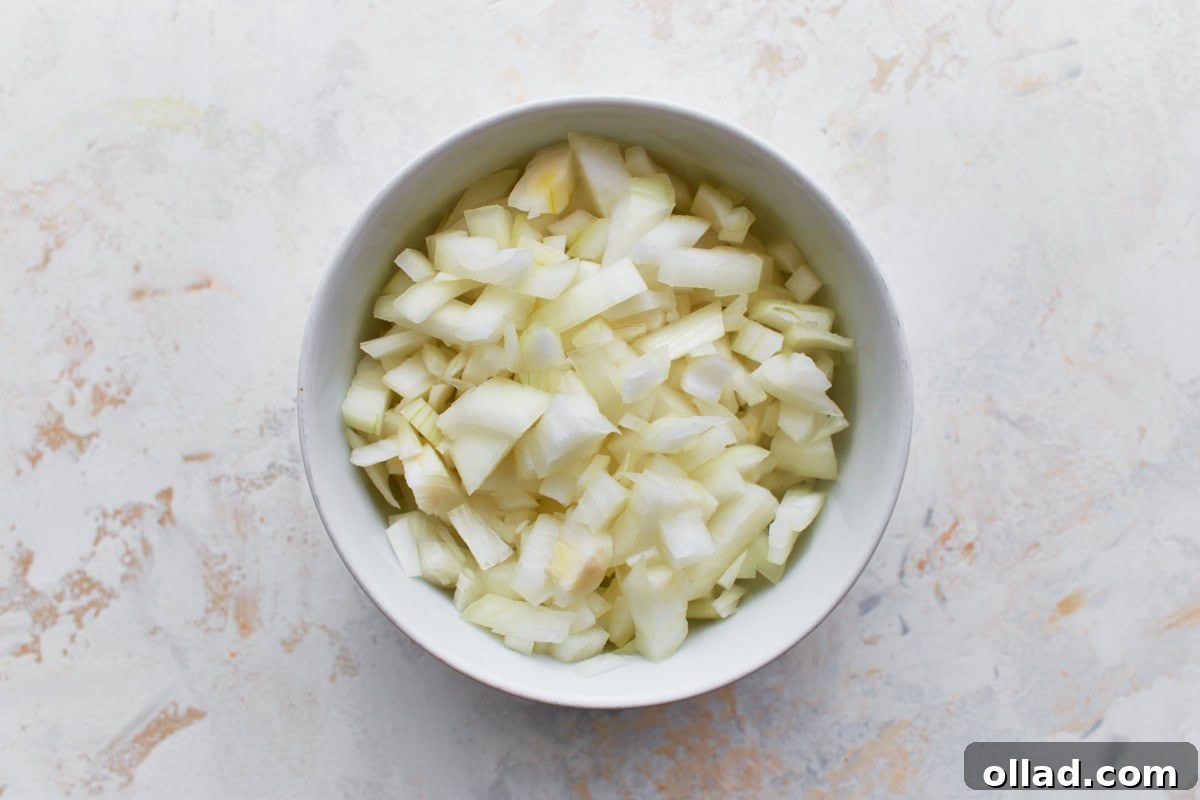
Step 3: Sauté the Aromatics. Finely dice one yellow onion. Next, liberally grease your cast-iron skillet (or any other oven-safe skillet) with 2 tablespoons of cooking oil. Place the skillet on your stovetop and heat it over medium heat until the oil is shimmering. The proper skillet choice and sufficient oil are crucial here to prevent sticking and ensure an even cook.
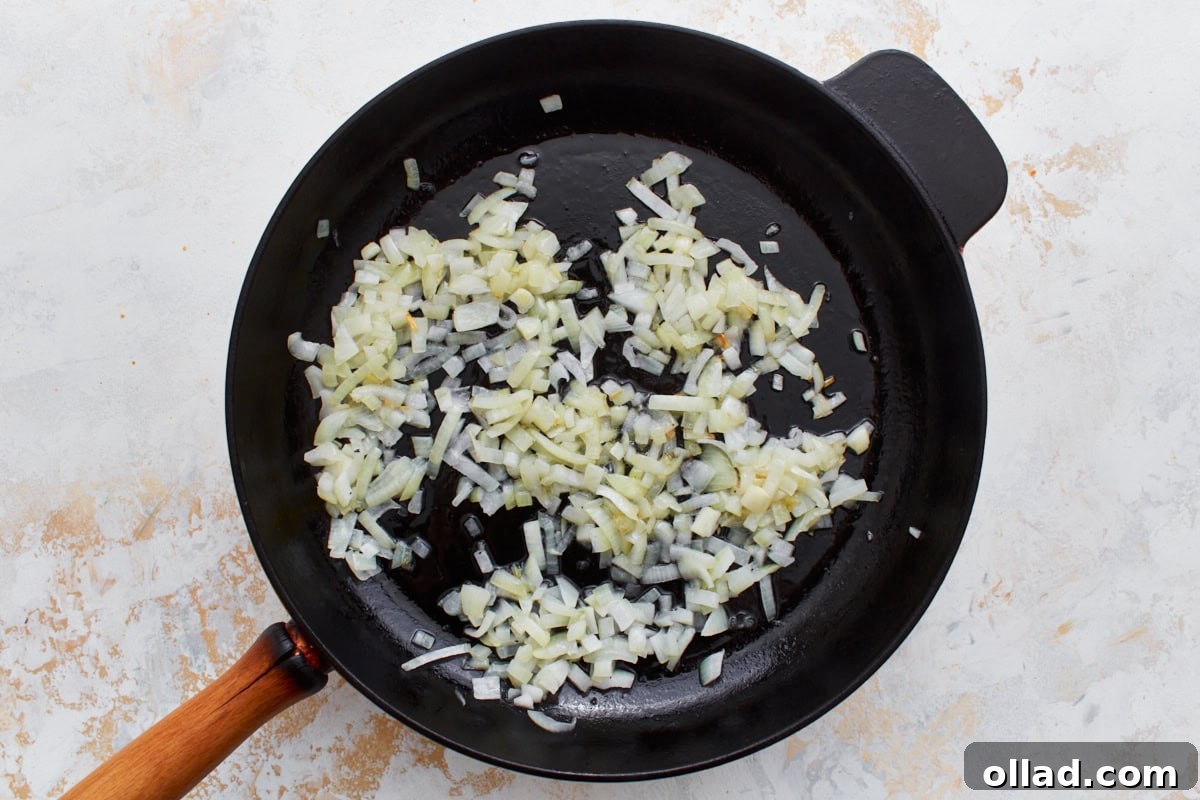
Step 4: Cook the Onions. Add the diced onions to the preheated skillet and sauté them gently. Stir occasionally until they become beautifully soft and translucent, indicating their sweetness has been released. This step builds a foundational layer of flavor for your frittata.
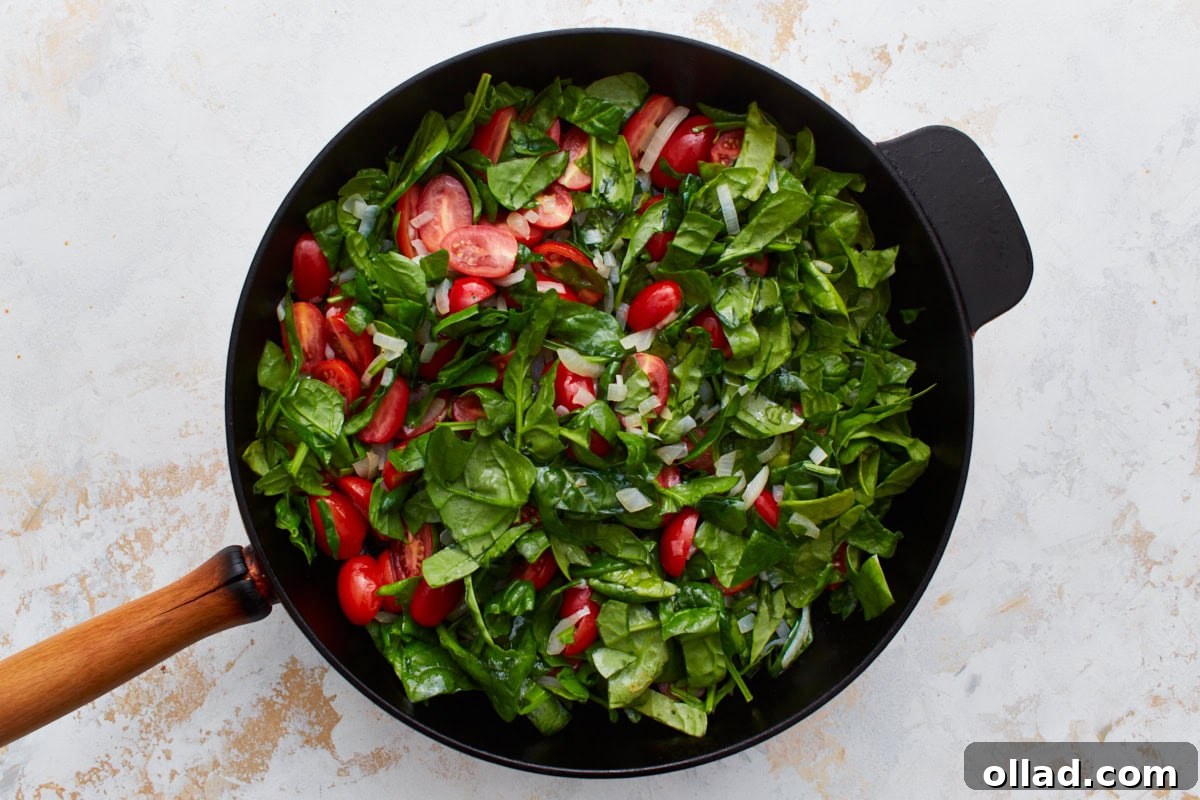
Step 5: Incorporate the Vegetables. While the onions are sautéing, prepare your fresh vegetables: roughly chop 2 cups of fresh spinach and halve 1 pint of grape tomatoes. Once the onions are ready, add the spinach and tomatoes to the skillet. Stir quickly to combine all the vegetables, but avoid overcooking them; the goal is to just mix, not wilt, the spinach too much at this stage.
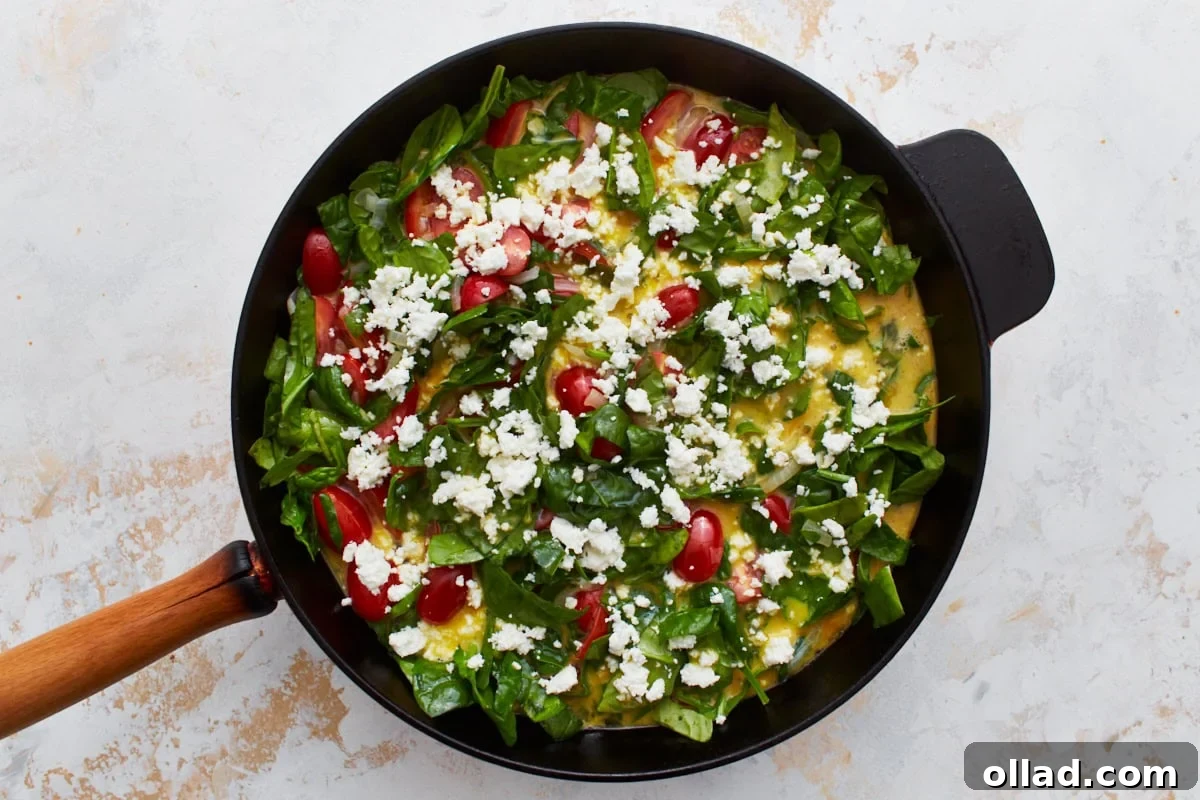
Step 6: Add Eggs and Cheese. Promptly pour the whisked egg mixture over the vibrant vegetables in the skillet. Distribute it as evenly as possible. Then, generously sprinkle ¼ cup of crumbled feta cheese (or your chosen dairy-free alternative) over the top. This adds a wonderful savory depth and creamy texture.
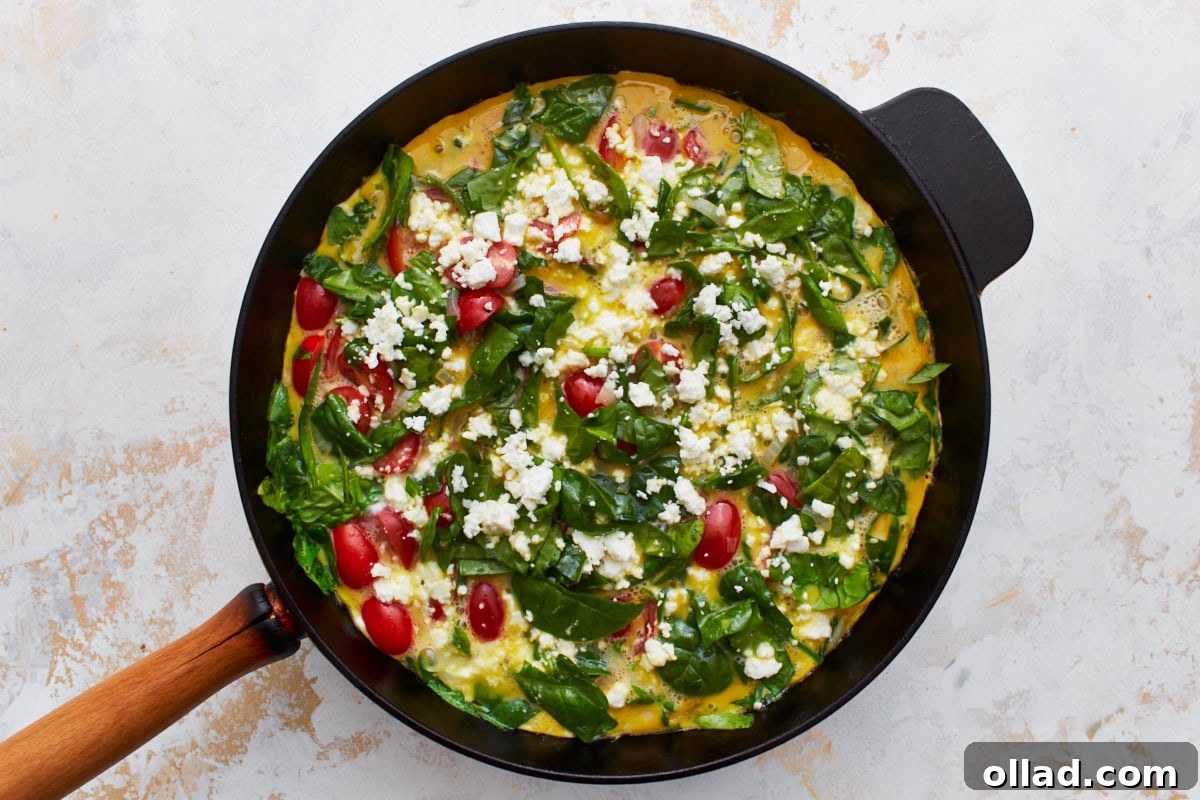
Step 7: Stovetop Setting. Allow the frittata to continue cooking on the stovetop over medium heat for approximately 3 minutes. During this time, you’ll notice the eggs beginning to set and firm up around the edges of the skillet. This initial stovetop cook helps to create a stable base before transferring to the oven.
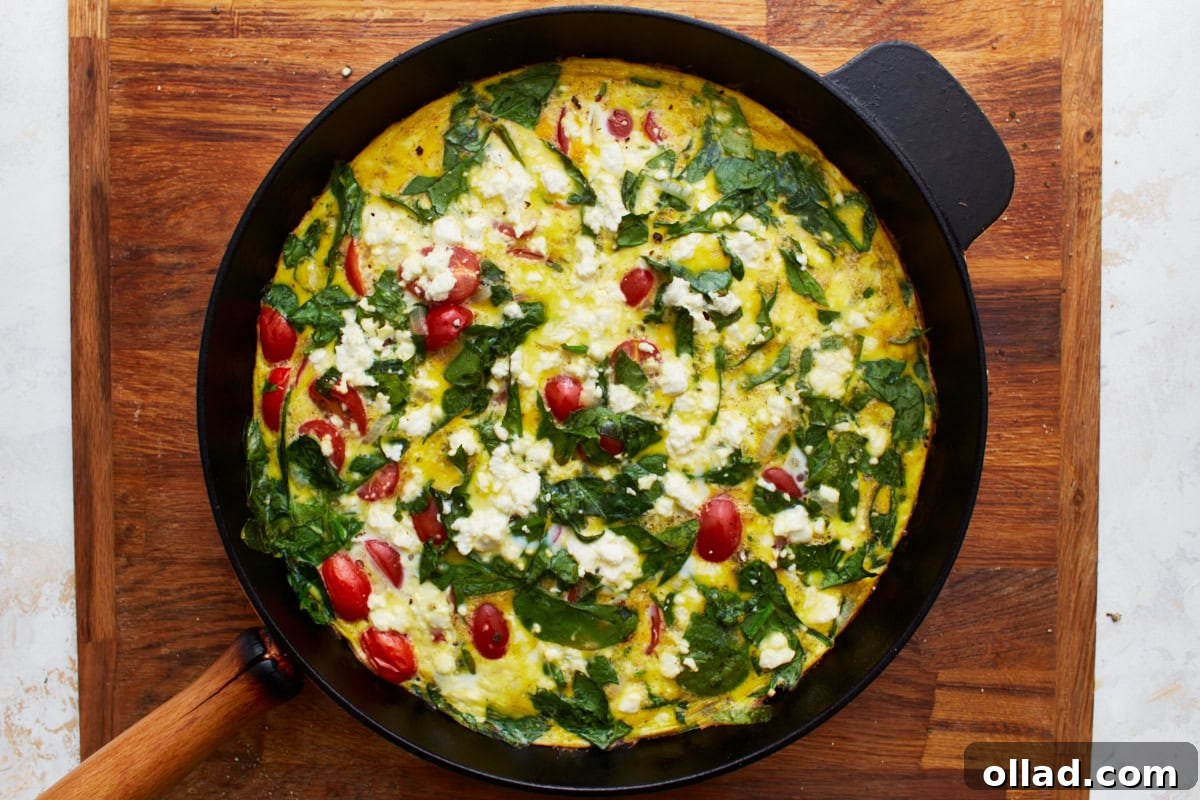
Step 8: Oven Finish. Carefully transfer the hot, oven-safe skillet into your preheated oven. Bake for about 15 minutes, or until the center of the frittata is set but still exhibits a slight wobble when gently shaken. Cooking times can vary based on your oven and skillet, so it’s a good idea to check it after 8-10 minutes. Crucially, resist the urge to overcook, as the residual heat in the pan will continue to set the eggs as it cools.
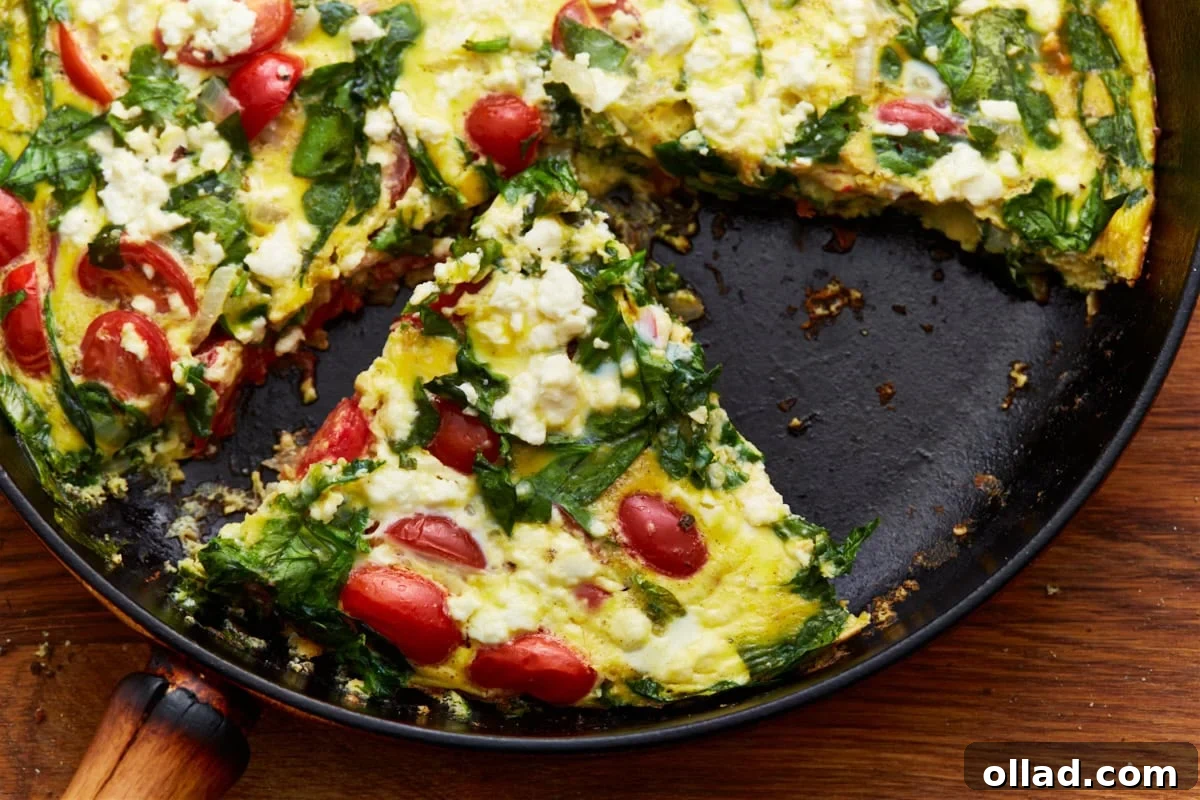
Step 9: Cool, Slice, and Serve. Once baked, remove the frittata from the oven. Allow it to cool and set in the hot pan for a full 5 minutes. This resting period is vital, as the eggs will continue to firm up outside the oven. If you find the eggs aren’t quite fully set when you attempt to slice, simply pop it back into the warm oven for another 2-3 minutes. Once perfect, slice into wedges, serve, and savor every delicious bite!
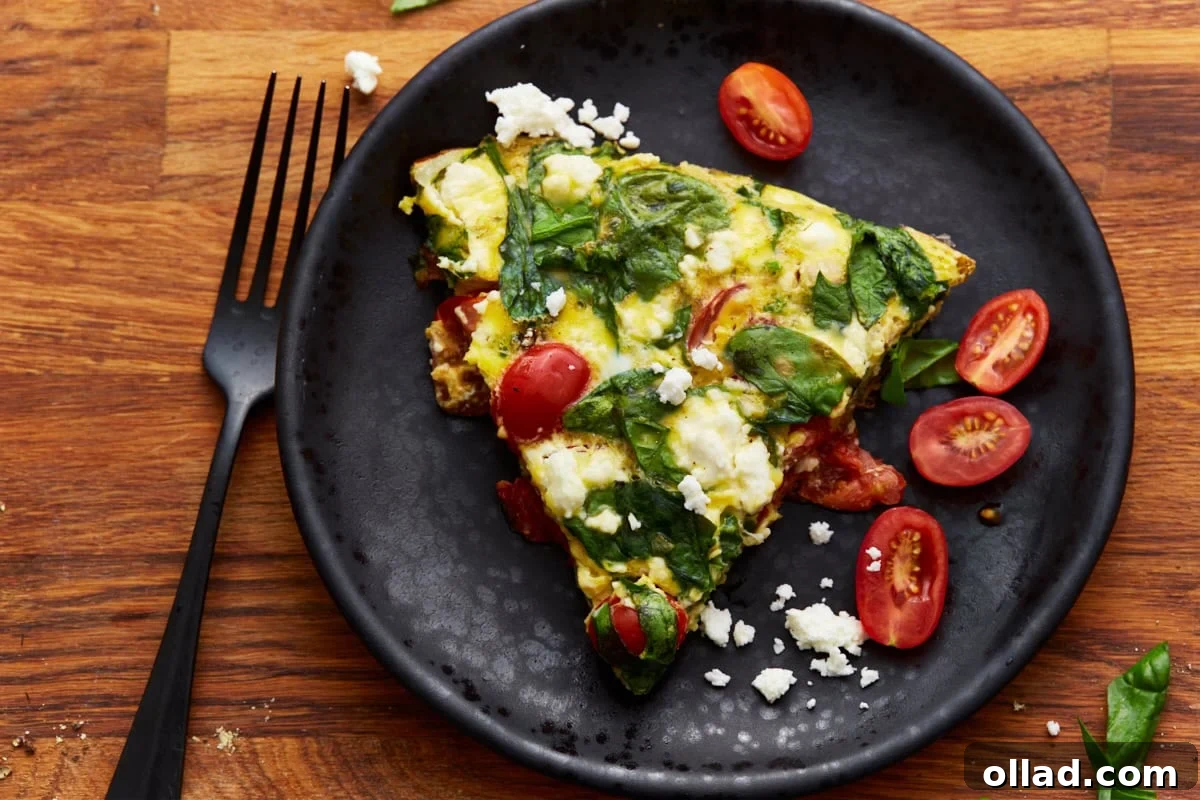
Why This Gluten-Free Frittata Will Be Your New Favorite
This isn’t just another egg recipe; it’s a culinary triumph, especially for those seeking gluten-free and dairy-free options. Here’s why this frittata stands out:
- Effortlessly Gluten-Free: Forget tricky crusts! This frittata is naturally gluten-free, making it a safe and delicious choice for anyone with celiac disease or gluten sensitivity.
- Simple & Quick to Prepare: With minimal prep and a straightforward cooking process, you can have a wholesome, gourmet-tasting meal on the table in under an hour. It’s perfect for busy mornings or speedy weeknight dinners.
- Incredibly Versatile: The beauty of a frittata lies in its adaptability. Use whatever fresh vegetables, cheeses, or proteins you have on hand. It’s an excellent way to use up leftovers and minimize food waste while creating exciting new flavor combinations.
- Perfect for Meal Prep: Cook a large frittata at the beginning of the week, and you’ll have delicious, healthy breakfasts or lunches ready to grab and go. It reheats beautifully and tastes great even when chilled.
- Feeds a Crowd: Whether it’s a festive brunch, a family gathering, or a casual get-together, a frittata is a hearty and impressive dish that easily serves multiple guests.
- Dairy-Free Friendly: With simple substitutions like unsweetened almond milk and dairy-free cheese alternatives, this recipe is easily adaptable for those with dairy allergies or intolerances, without compromising on flavor or texture.
- Nutrient-Packed: Loaded with eggs, fresh vegetables, and your choice of lean proteins, this frittata is a powerhouse of essential vitamins, minerals, and protein, keeping you feeling full and energized.
Customizing Your Frittata: Endless Flavor Combinations
One of the most exciting aspects of a frittata is its remarkable flexibility. While the Mediterranean combination of spinach, tomatoes, and feta is a timeless classic, don’t hesitate to unleash your creativity and tailor this recipe to your personal preferences or what you have available in your fridge. Here are some inspiring ideas to get you started:
- Vegetable Powerhouses:
- Green Medley: Sauté broccoli florets, asparagus tips, or zucchini slices with the onions.
- Hearty Greens: Kale or Swiss chard can replace spinach; just ensure they are lightly sautéed to tenderize before adding the eggs.
- Root Vegetables: Thinly sliced cooked potatoes, sweet potatoes, or butternut squash add a satisfying heartiness.
- Mushrooms & Peppers: Sliced bell peppers (any color) and mushrooms are fantastic additions, offering earthy and sweet notes.
- Protein Boosts:
- Sausage & Bacon: Crumbled spicy Italian sausage, cooked breakfast sausage, or crispy bacon bits are excellent savory additions. Ensure they are fully cooked and drained of excess fat before adding to the skillet.
- Shredded Chicken/Turkey: Leftover cooked chicken or turkey can be shredded and folded in for a lean protein option.
- Smoked Salmon: For a more gourmet touch, flaked smoked salmon stirred in at the end of the stovetop cooking adds a luxurious flavor.
- Cheese Choices:
- Beyond feta, consider sharp cheddar, creamy goat cheese, nutty Gruyère, or even a sprinkle of Parmesan. For dairy-free versions, many excellent plant-based shredded cheeses melt beautifully and add a similar richness.
- Herbs & Spices:
- Fresh herbs like basil, oregano, chives, dill, or parsley can elevate the flavor profile. Add them towards the end of cooking or as a garnish.
- A pinch of red pepper flakes adds a subtle kick, while smoked paprika or a dash of nutmeg can bring warmth and complexity.
Remember, the goal is to create a frittata that you and your loved ones will adore. Feel free to mix and match these ideas or come up with your own unique combinations!
Delightful Serving Suggestions
This versatile gluten-free frittata shines as a standalone meal, but it truly excels when paired with complementary dishes. For a festive and balanced brunch, I often serve it alongside my Gluten-Free Cinnamon Roll French Toast Casserole, creating a perfect harmony of savory and sweet. If you’re aiming for a classic, savory breakfast or brunch centerpiece, this frittata is exceptional with a vibrant, simple fruit salad to add freshness and a starchy potato side like my hearty Loaded Bacon Ranch Potato Salad or comforting Gluten-Free Scalloped Potatoes. For a lighter touch, a crisp green salad with a zesty vinaigrette makes an ideal accompaniment for lunch or dinner.
Storing and Reheating Your Frittata
While this frittata is absolutely divine when enjoyed fresh from the oven, its convenience extends to being delicious served warm or even cold, making it fantastic for leftovers. To keep any remaining slices fresh, store them in an airtight container in the refrigerator for up to 4 days. For a super quick and healthy meal, try savoring the chilled slices straight from the fridge the next day – they’re surprisingly delightful! If you prefer to reheat, use your microwave on a low power setting and heat in short, 30-second intervals. This method helps to gently warm the frittata through without overcooking the eggs, preserving its tender texture.
For longer-term storage, frittatas also freeze beautifully. Once your frittata has completely cooled, wrap individual slices or the whole frittata tightly in aluminum foil, followed by a layer of plastic wrap to prevent freezer burn. Store it in the freezer for up to 3 months. When ready to enjoy, thaw overnight in the refrigerator and reheat gently as described above. This makes it an excellent option for future meal planning and those busy days when you need a wholesome meal ready in minutes.
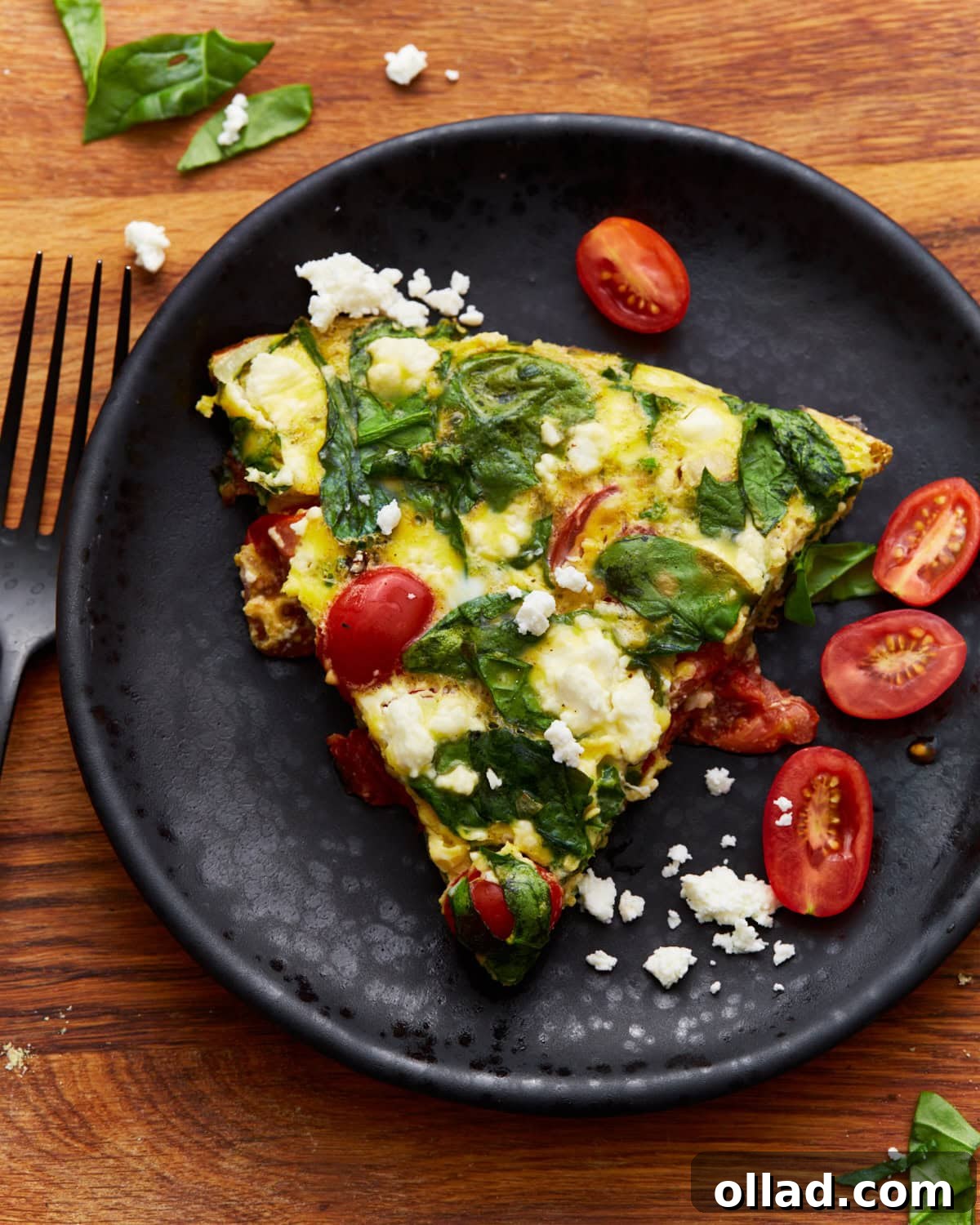
Frequently Asked Questions About Frittatas
Have some burning questions about making the perfect frittata? We’ve got you covered with answers to common queries.
- What’s the difference between a frittata and a quiche?
While both are egg-based dishes, the main distinction lies in the crust and cooking method. A quiche typically has a pastry crust and is baked entirely in the oven, often containing heavy cream. A frittata, on the other hand, is crustless, usually started on the stovetop and then finished in the oven (or sometimes cooked entirely on the stovetop). Frittatas tend to be lighter, using milk or water instead of cream, and are more forgiving with ingredients.
- Can I make this frittata ahead of time?
Absolutely! Frittatas are excellent for meal prep. You can bake the entire frittata a day or two in advance. Once fully cooled, store it in an airtight container in the refrigerator. When you’re ready to serve, you can reheat individual slices gently in the microwave or enjoy them cold or at room temperature.
- How do I know when my frittata is done?
A perfectly cooked frittata will be set around the edges and mostly firm in the center, but it should still have a slight “wobble” when you gently shake the pan. The residual heat will continue to cook it as it cools. If it’s completely firm and rubbery, it might be overcooked. The top should also be lightly golden.
- What kind of skillet should I use?
A well-seasoned cast-iron skillet is highly recommended for its even heat distribution and ability to go from stovetop to oven seamlessly. If you don’t have one, any oven-safe non-stick skillet or a stainless steel pan (ensure it’s well-oiled) will work. Always check that your pan’s handle is also oven-safe!
- Can I add meat to my frittata?
Yes, definitely! Cooked meats like crumbled sausage, bacon, ham, or shredded chicken make fantastic additions. Just ensure they are fully cooked and any excess grease is drained before adding them to the skillet with the vegetables. This adds a heartier element to your frittata.
Explore More Gluten-Free Brunch Recipes
If you loved this frittata, you’ll be thrilled to discover more delicious and easy gluten-free options for breakfast, brunch, or any meal! Expand your culinary repertoire with these fantastic recipes:
- Gluten-Free Quiche {Dairy-Free Option}
- Gluten-Free Breakfast Casserole {Dairy-Free Option}
- Eggs Benedict Casserole {Gluten-Free, Dairy-Free Option}
- Easy Gluten-Free Pancakes {Dairy-Free & Vegan Option}
- Easy Gluten-Free Banana Blueberry Muffins (Dairy-Free and No-Refined Sugar Option)