
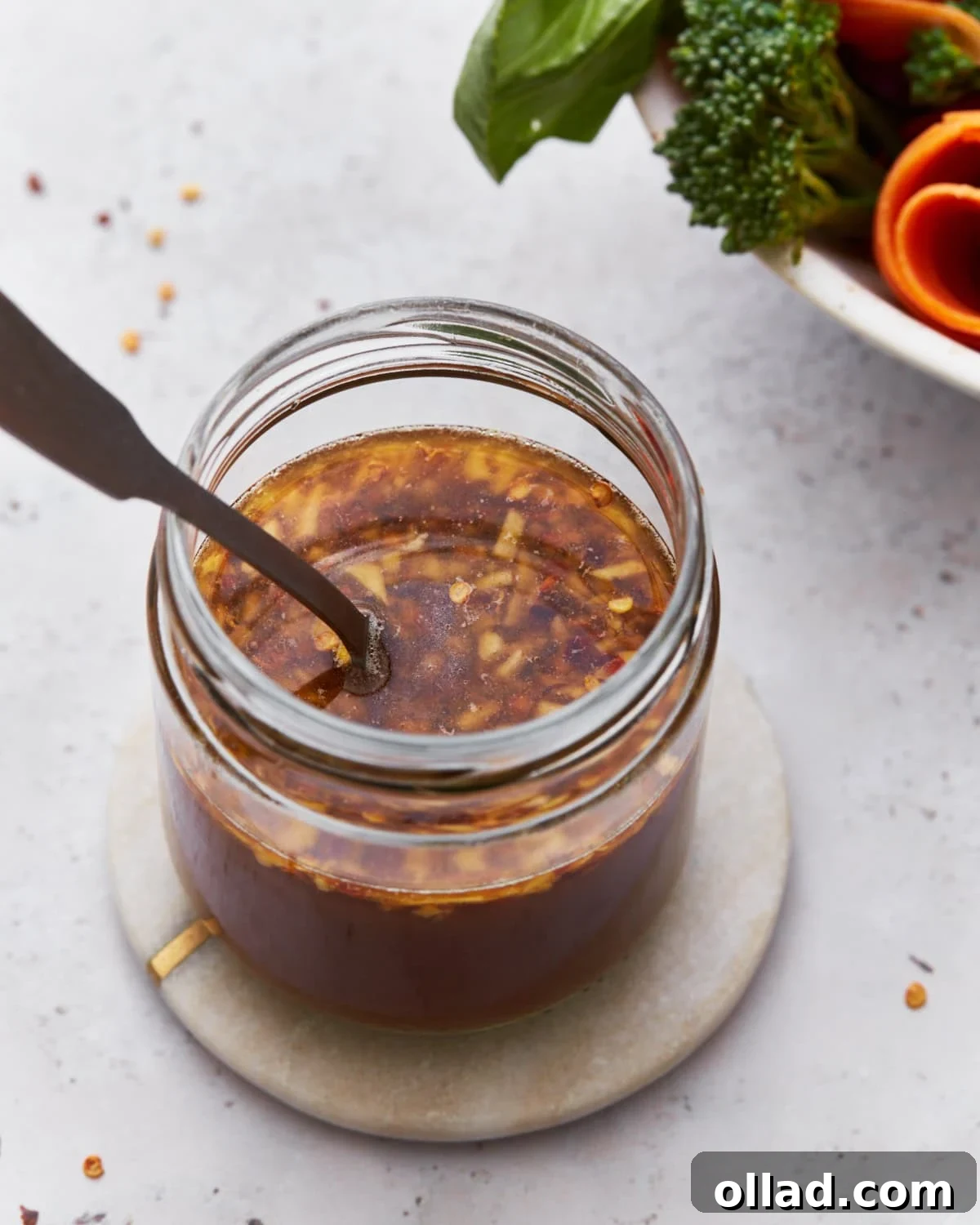
Unlock the secret to incredible Asian-inspired meals at home with a quick and easy gluten-free stir-fry sauce that comes together in mere minutes. Forget complicated ingredient lists or hours spent in the kitchen; this versatile sauce is designed for speed, flavor, and utmost convenience. Crafted with bold, savory notes and a touch of sweetness, it promises to elevate your favorite stir-fried meats, tofu, and an array of vibrant vegetables into a restaurant-quality dish, perfect for those busy weeknight dinners or whenever a craving for authentic Asian flavors strikes. Its robust profile and seamless preparation make it an indispensable staple in any gluten-free kitchen, ensuring a delicious and worry-free dining experience every time.
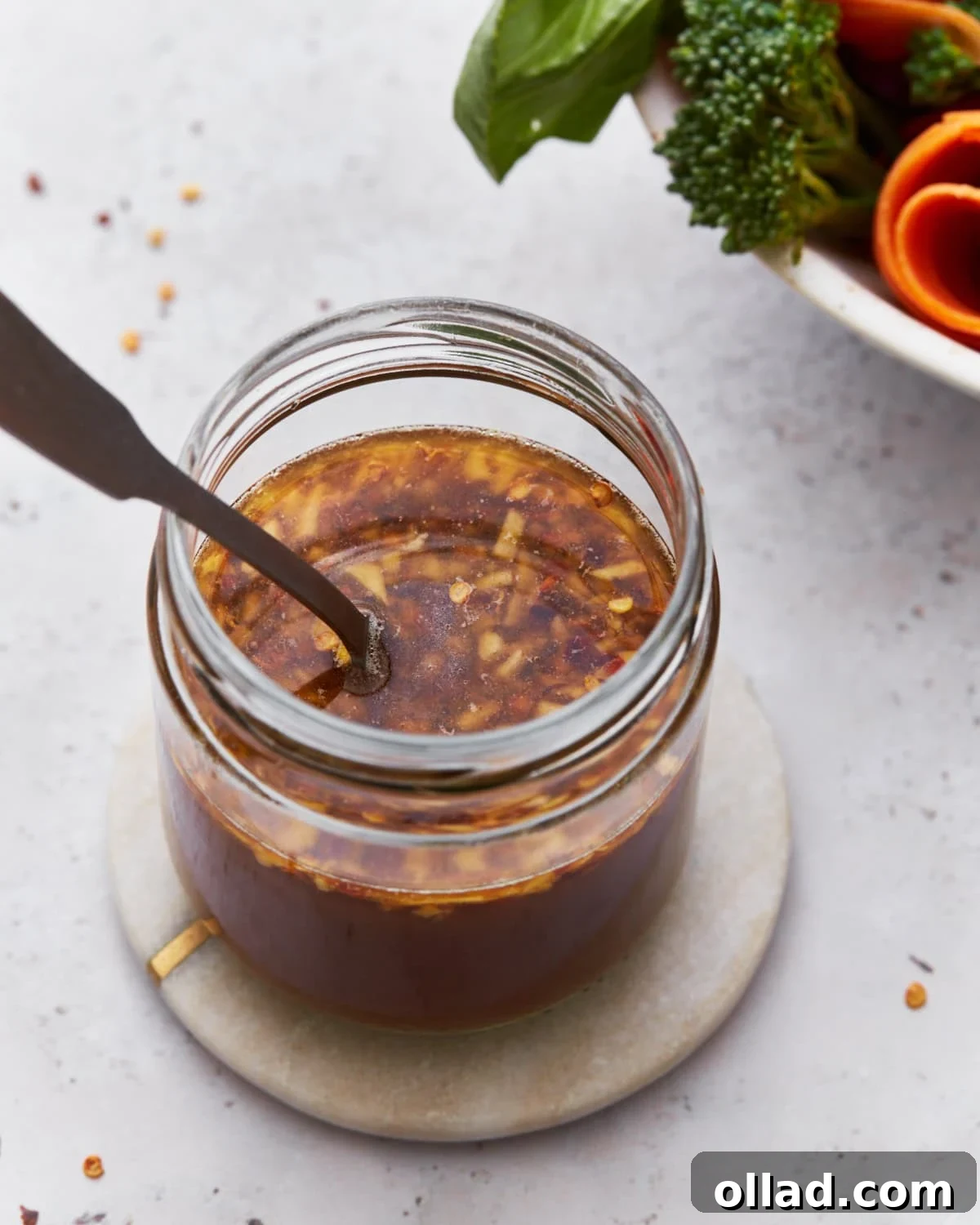
The Ultimate Homemade Gluten-Free Stir-Fry Sauce: Flavorful & Fast
Creating delicious, healthy, and diet-friendly meals at home doesn’t have to be a daunting task. This homemade gluten-free stir-fry sauce recipe is a game-changer, designed to bring vibrant Asian flavors to your table with minimal effort. In just 5 minutes, you can whip up a batch of this incredibly versatile sauce, ready to transform ordinary ingredients into an extraordinary culinary experience. Whether you’re new to gluten-free cooking or a seasoned pro, this recipe offers a simple solution for quick, flavorful weeknight dinners.
Why Make Your Own Gluten-Free Stir-Fry Sauce?
The market is flooded with pre-made stir-fry sauces, but many contain hidden gluten, excessive sugar, or artificial ingredients. Crafting your own gluten-free stir-fry sauce from scratch offers numerous advantages. Firstly, you gain complete control over the ingredients, ensuring everything aligns with your dietary needs and preferences. This means no more worrying about cross-contamination or ambiguous labels. Secondly, homemade sauces invariably taste fresher and more vibrant than their store-bought counterparts, as you’re using high-quality, fresh aromatics like garlic and ginger. Lastly, it’s often more cost-effective in the long run and allows for endless customization to suit your palate, whether you prefer more heat, sweetness, or a deeper umami punch.
The Story Behind This Flavorful Sauce
My love for Asian cuisine, particularly the rich, savory notes of teriyaki, inspired me to adapt my popular homemade gluten-free teriyaki sauce into a versatile stir-fry base. While my teriyaki sauce excels as a glaze, I wanted a stir-fry sauce that was slightly less sticky, allowing it to coat proteins and vegetables beautifully without becoming overly dense. The key adjustment was incorporating chicken broth, which adds a savory depth and provides the ideal liquid consistency for stir-frying. This subtle tweak resulted in a sauce that clings perfectly, distributing its rich umami, savory sweetness, and a hint of spice throughout your dish, making it the perfect partner for any gluten-free Asian meal.
Essential Ingredients for a Perfect GF Stir-Fry Sauce
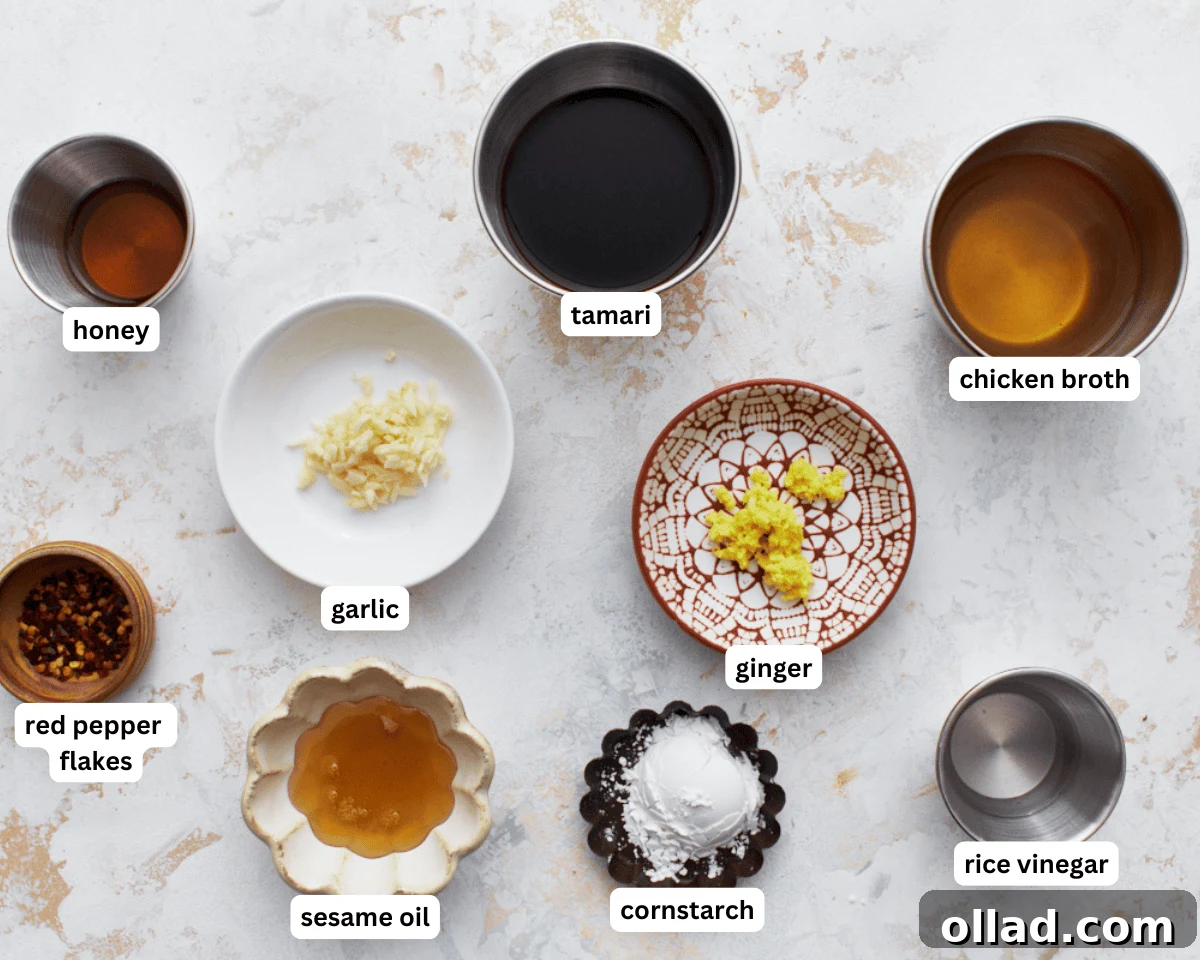
Achieving a balanced and flavorful gluten-free stir-fry sauce relies on a carefully selected blend of ingredients, each playing a crucial role in the final taste profile. Here’s a breakdown of what you’ll need and why:
- Gluten-Free Tamari: This is the cornerstone of our sauce, providing the essential savory, umami flavor typically found in soy sauce, but without the wheat. Tamari is a Japanese soy sauce variety that is traditionally made with little to no wheat, making it naturally gluten-free. It offers a deeper, richer flavor than many standard soy sauces. If you absolutely cannot find tamari, ensure you use a certified gluten-free soy sauce as an alternative.
- Chicken Broth: Added to introduce more liquid, this helps create a thinner, more manageable sauce consistency that coats your stir-fry ingredients evenly. It also contributes a subtle savory background note that enhances the overall flavor. For a vegetarian or vegan version, vegetable broth can be easily substituted.
- Cornstarch: A vital thickening agent, cornstarch gives the sauce its characteristic glossy texture, allowing it to cling to your ingredients rather than running off. It creates a smooth, velvety finish. For alternatives, arrowroot powder or tapioca starch work equally well, providing similar thickening properties.
- Rice Vinegar: This acidic ingredient is crucial for balancing the salty and sweet notes in the sauce. It adds a bright tang that cuts through the richness, preventing the sauce from becoming cloying and enhancing its overall complexity. Don’t skip it, as it’s key to a well-rounded flavor.
- Sesame Oil: Just a small amount of sesame oil imparts a wonderfully rich, nutty aroma and flavor that is quintessential to Asian cuisine. Always add it at the end of cooking or to the sauce mixture, as its delicate flavor can be lost if cooked for too long at high heat.
- Honey: This natural sweetener provides the perfect amount of sweetness and contributes to the sauce’s signature sticky glaze. It helps to caramelize slightly during cooking, adding another layer of flavor. Maple syrup or agave nectar can be used as vegan alternatives, though they may alter the flavor profile slightly.
- Fresh Garlic and Ginger: Using fresh aromatics makes a significant difference in the vibrancy and depth of the sauce. Minced fresh garlic offers a pungent, savory kick, while grated fresh ginger provides a warm, spicy, and aromatic note. If fresh ingredients aren’t available, you can substitute with garlic powder and ground ginger, but be sure to use less as their concentrated flavor is stronger.
- Red Pepper Flakes: For those who enjoy a hint of heat, red pepper flakes are an optional but highly recommended addition. They provide a subtle warmth that complements the other flavors without overpowering them. If you prefer more spice, feel free to add a dash of sriracha, a pinch more red pepper flakes, or even some freshly chopped chili.
Ingredient Spotlight: Tamari vs. Soy Sauce
For individuals with gluten sensitivities or celiac disease, understanding the distinction between tamari and traditional soy sauce is critical. Traditional soy sauce typically contains wheat, which acts as a fermenting agent and contributes to its aroma and flavor. Tamari, on the other hand, is a byproduct of miso paste production and is generally made without wheat or with very minimal amounts, making most brands naturally gluten-free. It has a slightly darker color, a richer, less salty taste, and a more pronounced umami depth. This makes tamari not just a gluten-free substitute, but often a preferred choice for its superior flavor profile in many Asian dishes.
Crafting Your Flavorful Sauce: Step-by-Step Instructions
Making this gluten-free stir-fry sauce is incredibly straightforward, requiring just a few simple steps and minimal equipment. Follow these instructions to prepare your homemade sauce in no time:
-
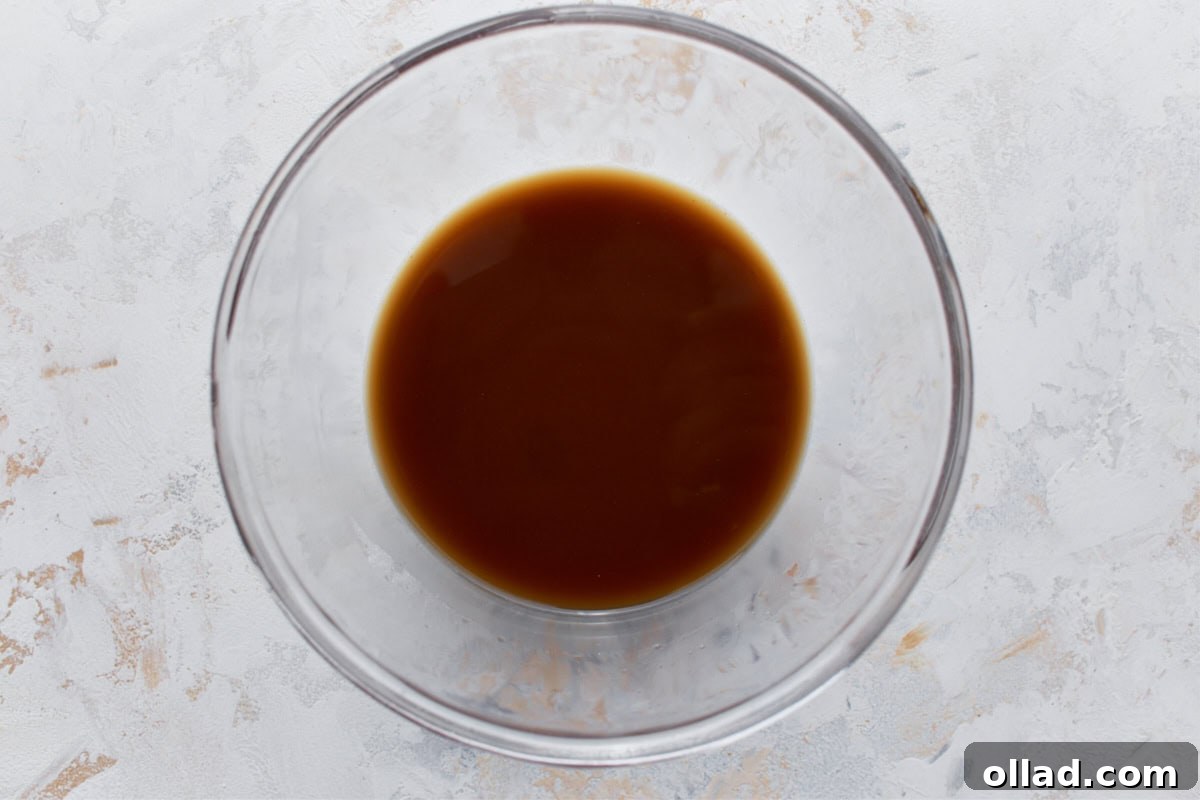
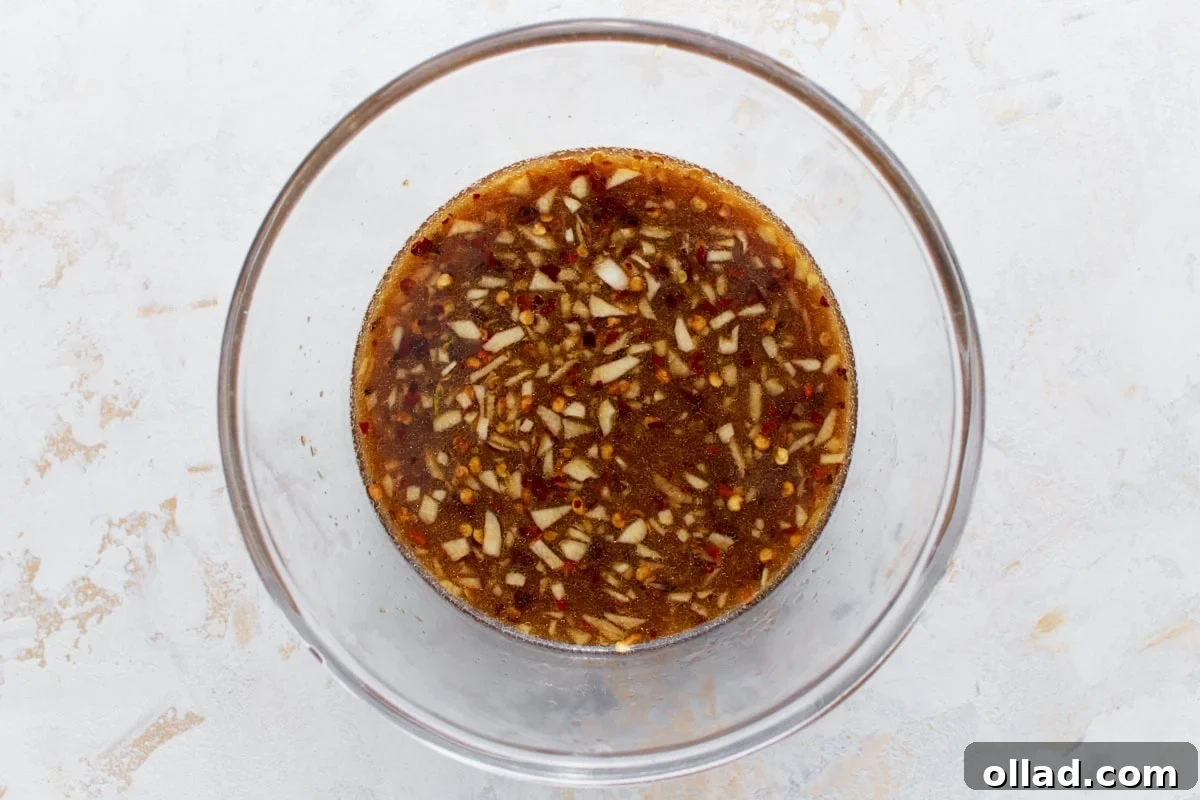
Prepare the Base: In a small mixing bowl, combine the gluten-free tamari, chicken broth, and cornstarch. Use a whisk to vigorously blend these ingredients until the mixture is completely smooth and no lumps of cornstarch remain. This initial step is crucial for preventing a grainy sauce and ensures even thickening.

-
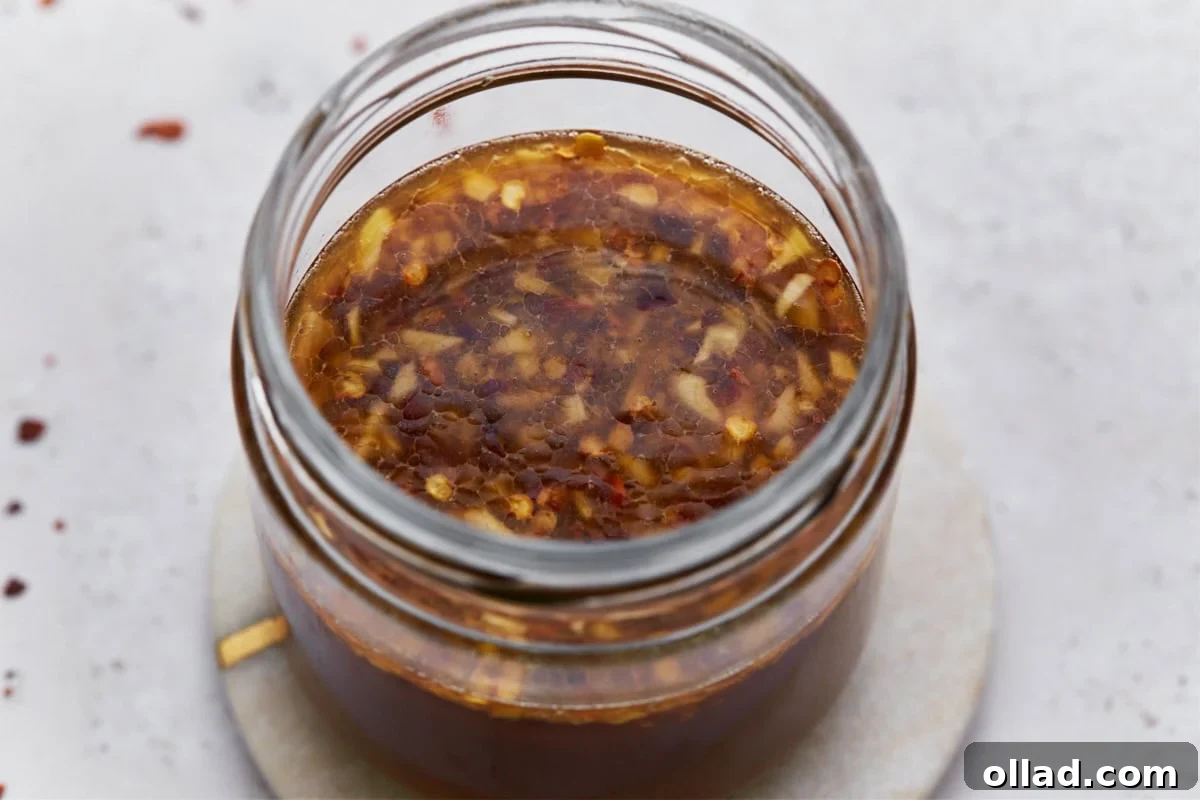
Add Aromatics and Flavorings: To the smooth base mixture, add the rice vinegar, sesame oil, honey, freshly minced garlic, freshly grated ginger, and red pepper flakes (if you desire a bit of spice). Stir all the ingredients thoroughly until they are well combined and the honey has fully dissolved into the liquid. This ensures that every component contributes its unique essence to the sauce.
-
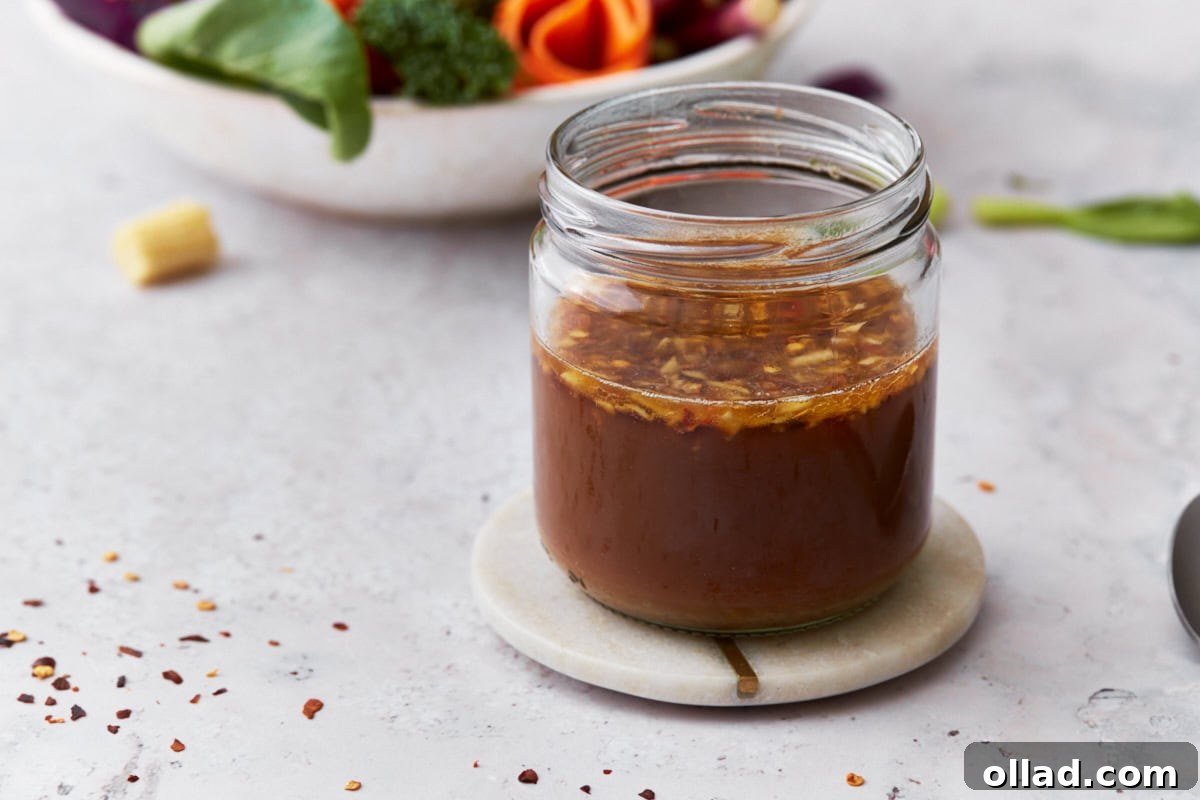
Immediate Use or Storage: Your gluten-free stir-fry sauce is now ready! You can use it immediately in your favorite stir-fry recipe or store it for later. If using right away, simply add the sauce directly to your stir-fry during the last 2-3 minutes of cooking. Continue to stir constantly as it cooks; the cornstarch will activate with the heat, causing the sauce to thicken beautifully and evenly coat all your ingredients.
-
Enjoy Your Delicious Meal: Once the sauce has thickened and coated your stir-fry ingredients, serve hot and savor the homemade flavors!
Tips for Customizing Your Stir-Fry Sauce
One of the greatest joys of homemade sauces is the ability to tailor them precisely to your taste. Here are some tips to help you customize your gluten-free stir-fry sauce:
- Adjusting Consistency: If you prefer a thicker sauce, you can add an additional half teaspoon of cornstarch to the initial mixture. For a thinner consistency, simply whisk in a tablespoon or two more chicken broth or water until it reaches your desired pourability. Remember, the sauce will thicken further once cooked.
- Balancing Flavors: The perfect stir-fry sauce achieves a harmonious balance of salty, sweet, sour, and umami. Taste your sauce before adding it to the stir-fry:
- Too Salty? Add a touch more honey or rice vinegar.
- Too Sweet? Introduce a bit more tamari or rice vinegar.
- Not Tangy Enough? A squeeze of fresh lime juice or an extra splash of rice vinegar will do the trick.
- Lacking Depth? A tiny drop of mushroom powder or an extra splash of tamari can boost umami.
- Marination Magic: Don’t limit the sauce just to stir-frying. Use a small portion to marinate your protein (chicken, beef, shrimp, or tofu) for 15-20 minutes before cooking. This simple step infuses the ingredients with flavor, creating delicious layers in your final dish.
- Creamy Twist: For a delightful creamy and nutty dimension, stir in a tablespoon of smooth peanut butter or tahini. This adds richness and a wonderful texture, transforming the sauce into a satay-style alternative.
- Boosting the Heat: If you crave more spice, beyond red pepper flakes, consider adding a dash of sriracha, a few drops of chili oil, or even finely diced fresh bird’s eye chilies to the sauce.
Creative Serving Ideas for Your Stir-Fry Sauce
The versatility of this gluten-free stir-fry sauce means it can be paired with an endless array of ingredients to create diverse and exciting meals. I personally adore it in a simple chicken and broccoli stir-fry, but its potential goes far beyond that:
Protein Powerhouses:
- Chicken: Cubed chicken breast or thighs stir-fried until golden.
- Beef: Thinly sliced flank steak or sirloin for a quick beef and broccoli or pepper steak.
- Shrimp: Quick-cooking shrimp tossed in the sauce for a light and flavorful meal.
- Tofu/Tempeh: For a vegetarian or vegan option, firm tofu or tempeh cubes can be pressed, pan-fried until crispy, then coated in the savory sauce.
Vibrant Veggies:
- Classic Choices: Bell peppers (any color), snap peas, mushrooms, carrots, and broccoli florets.
- Leafy Greens: Bok choy, spinach, or kale wilt beautifully in a stir-fry.
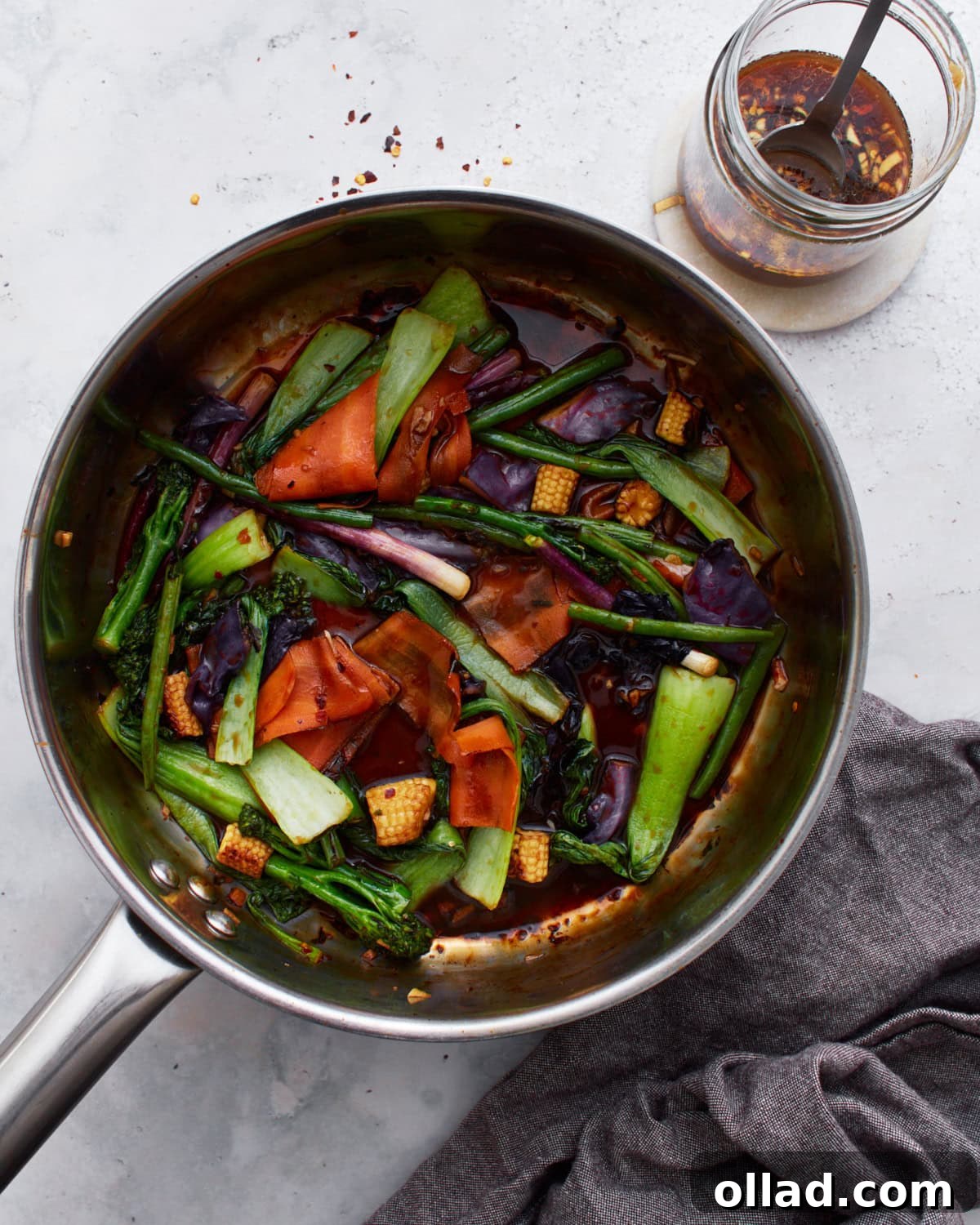
- Unique Additions: Zucchini, asparagus, baby corn, water chestnuts, or bamboo shoots add interesting textures and flavors.
Serving Bases:
- Rice: Serve over fluffy white rice, nutritious brown rice, or a lighter cauliflower rice for a low-carb option.
- Noodles: Toss with rice noodles, egg noodles, or even zucchini noodles for a complete meal.
Beyond traditional stir-fries, this sauce also makes an excellent dipping sauce for spring rolls, dumplings, or even grilled skewers. It can also be used as a marinade for grilled chicken or fish, adding a fantastic Asian flair to your barbecue spread.
Storing Your Homemade Gluten-Free Stir-Fry Sauce
Making a batch of this versatile sauce in advance is a fantastic way to streamline your meal prep. Proper storage ensures its freshness and flavor for future use:
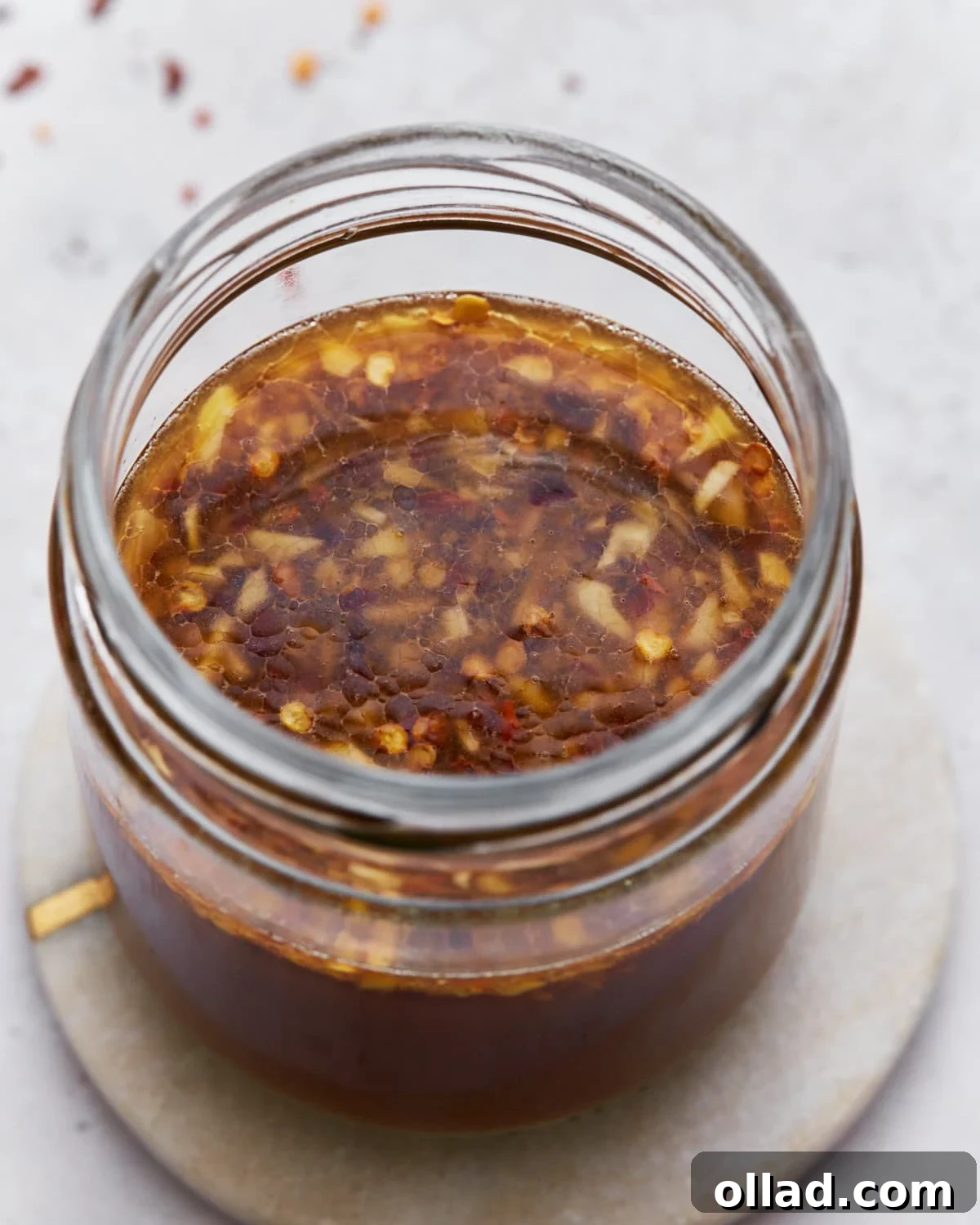
- Refrigeration: Any unused portions of the sauce should be transferred to an airtight container. A glass jar with a tight-fitting lid works perfectly. Store it in the refrigerator for up to 1 week. Before each use, give the sauce a good stir or shake, as the cornstarch can settle at the bottom.
- Freezing: For longer storage, this sauce freezes beautifully. Pour it into freezer-safe containers or even ice cube trays for convenient portioning. It can be frozen for up to 3 months. When you’re ready to use it, simply thaw the sauce overnight in the refrigerator. Stir well before adding it to your stir-fry, and if it appears too thick after thawing, you can whisk in a tiny bit of water or broth to reach your desired consistency.
Frequently Asked Questions (FAQs) About Gluten-Free Stir-Fry Sauce
Here are answers to some common questions you might have about making and using this delicious sauce:
- Can I make this sauce vegan? Yes! To make this recipe vegan, simply substitute the chicken broth with vegetable broth and replace the honey with an equal amount of maple syrup, agave nectar, or brown sugar.
- Can I use regular soy sauce instead of tamari? For this recipe to remain truly gluten-free, it is essential to use gluten-free tamari or a certified gluten-free soy sauce. Regular soy sauce contains wheat and is not suitable for a gluten-free diet.
- How long does the homemade sauce last? When stored in an airtight container in the refrigerator, the sauce will last for up to one week. If frozen, it can last for up to three months.
- Is it okay to prepare the sauce in advance? Absolutely! Preparing the sauce ahead of time is a great time-saver. Simply make a batch, store it in the fridge, and it will be ready to go whenever you’re craving a quick stir-fry. Just remember to give it a good shake or stir before use.
- What if my sauce is too thick or too thin? Don’t worry! If it’s too thick, whisk in a tablespoon of broth or water at a time until it reaches your desired consistency. If it’s too thin, you can create a slurry with another half teaspoon of cornstarch and a tablespoon of cold water, then whisk it into the sauce while it’s heating in the pan.
More Gluten-Free Asian Delights
If you love this gluten-free stir-fry sauce, be sure to explore more of our fantastic Asian-inspired, gluten-free recipes that will bring diverse and delicious flavors to your kitchen:
- Gluten-Free Bao Buns
- Gluten-Free Egg Rolls
- Gluten-Free Sweet and Sour Chicken
- Orange Reduction Sauce
- Gluten-Free Fried Rice
Gluten-Free Stir Fry Sauce
A quick and easy gluten-free stir-fry sauce, ready in just 5 minutes. Packed with bold flavors, this versatile sauce transforms your favorite stir-fried meats and veggies into a delicious, Asian-inspired meal. Perfect for weeknight dinners.
By: Sabine Venier
Servings: 4 servings
Prep Time: 5 mins
Cook Time: 5 mins
Total Time: 10 mins
Ingredients
- 1/4 cup gluten-free tamari
- 1/4 cup chicken broth
- 1 tablespoon cornstarch
- 1 tablespoon rice vinegar
- 1 tablespoon sesame oil
- 1 tablespoon honey
- 1 teaspoon minced garlic
- 1 teaspoon grated ginger
- 1/4 teaspoon red pepper flakes, optional, for spice
Instructions
- In a small bowl, whisk together tamari, broth, and cornstarch until smooth.
- Add the rice vinegar, sesame oil, honey, garlic, ginger, and red pepper flakes and stir to combine.
- Store in the fridge for up to 1 week or use immediately in your stir fry.
- If using immediately, add the sauce directly to your stir fry during the last 2-3 minutes of cooking. Stir constantly until the sauce thickens and evenly coats the stir fry.
Notes
- For a thicker sauce, use slightly more cornstarch or reduce the liquid. For a thinner sauce, add a bit more broth or water.
- Stir fry sauces need a balance of salty, sweet, sour, and umami. Adjust ingredients like soy sauce, vinegar, sweetener, or chili flakes to suit your preference.
- Use the sauce to marinate chicken, beef, or tofu in a small portion of the sauce for 15–20 minutes before stir-frying. This builds layers of flavor in your dish.
- Add some peanut butter or tahini to the sauce for a creamy, nutty twist.
- Store unused sauce in an airtight container in the fridge for up to 1 week. Stir well before using.
- You can freeze the sauce for up to 3 months. Thaw in the fridge overnight before using.
Nutrition
Nutrition information is automatically calculated, so should only be used as an approximation.
- Serving: 1 serving
- Calories: 67 kcal
- Carbohydrates: 7g
- Protein: 2g
- Fat: 4g
- Saturated Fat: 1g
- Polyunsaturated Fat: 1g
- Monounsaturated Fat: 1g
- Cholesterol: 0.3mg
- Sodium: 867mg
- Potassium: 44mg
- Fiber: 0.2g
- Sugar: 5g
- Vitamin A: 37IU
- Vitamin C: 0.3mg
- Calcium: 6mg
- Iron: 0.4mg
Additional Info
Course: sauces
Cuisine: Asian