
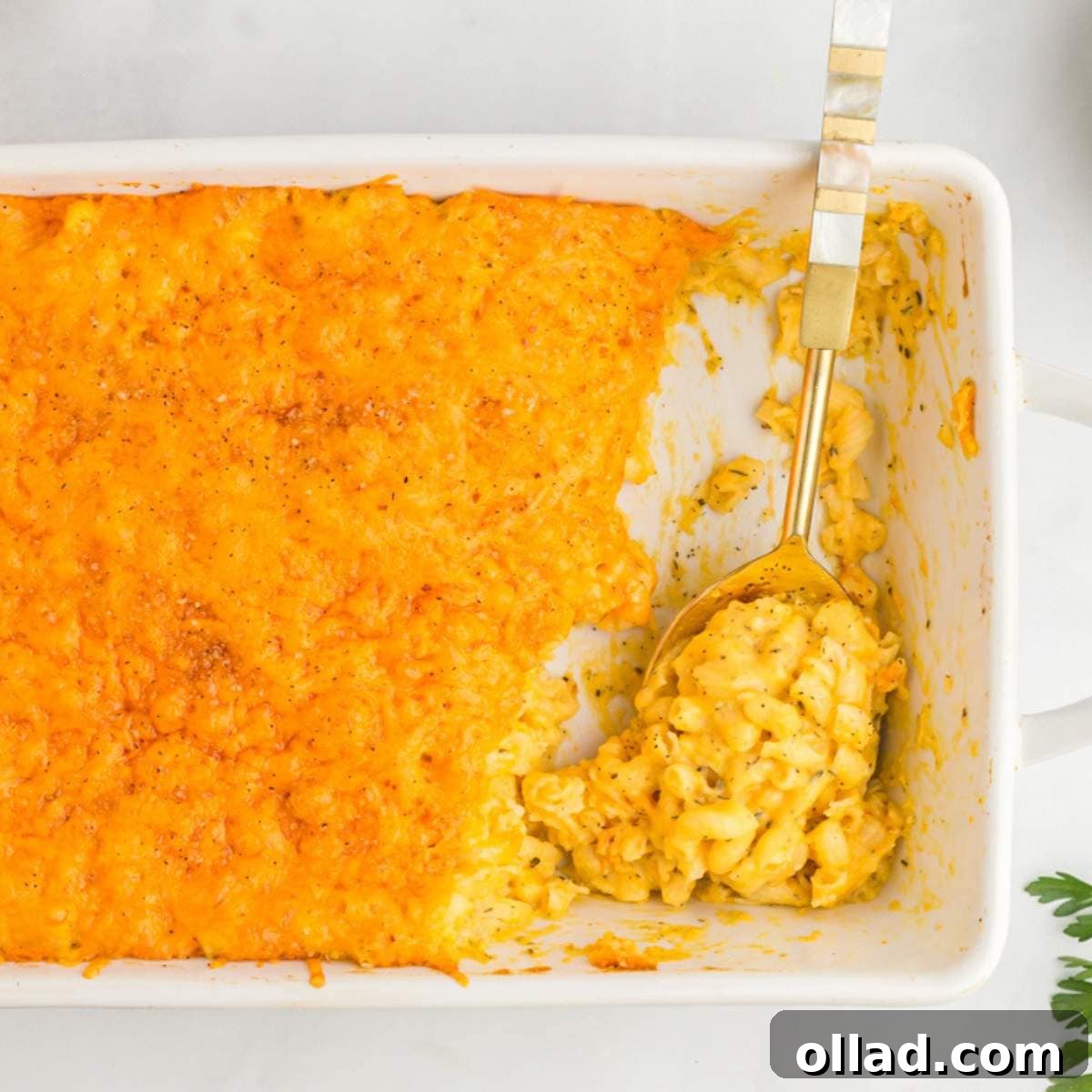
Gluten-free butternut squash mac and cheese is perfect as an everyday fall dinner or Thanksgiving side dish. This delicious and healthy twist on a classic mac and cheese is packed with flavor and a healthy dose of vegetable.
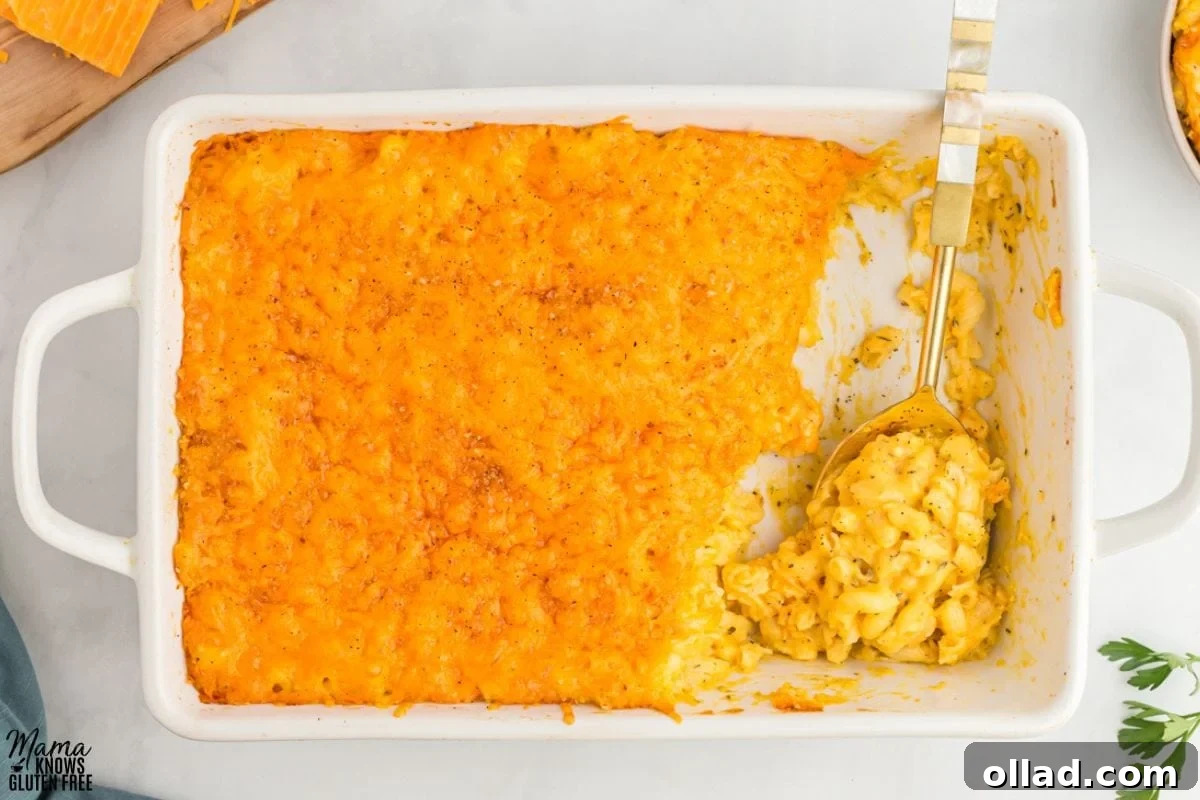
Indulge Guilt-Free: The Ultimate Gluten-Free Butternut Squash Mac and Cheese
As the crisp air of autumn descends and the leaves begin their vibrant transformation, our culinary cravings often turn to the warm, hearty embrace of comfort foods. While classic stews, nourishing soups, and bubbling cheesy casseroles are seasonal staples, few dishes hold a place as universally cherished as mac and cheese. Yet, what if this beloved comfort staple could be reimagined to be both incredibly indulgent and surprisingly healthy? Our Gluten-Free Butternut Squash Mac and Cheese offers precisely that – a deliciously wholesome twist on the timeless classic, making it the perfect choice for a cozy weeknight dinner or an impressive, lighter addition to your Thanksgiving table.
The secret to this recipe’s exceptional appeal lies in the humble butternut squash. With its naturally mild and subtly sweet flavor, butternut squash not only blends seamlessly into the creamy cheese sauce, imparting a rich, velvety texture and a gorgeous golden hue, but it also delivers a wealth of nutritional benefits. Packed with immune-boosting vitamins A and C, essential minerals, and dietary fiber, butternut squash transforms a typically heavy dish into a more balanced and nourishing meal. This seasonal gem truly shines in the fall when squashes are at their peak, offering a fresh, earthy taste that complements the richness of the cheese and appeals to palates of all ages.
Whether you’re navigating a gluten-free lifestyle, eager to sneak more vegetables into your family’s diet, or simply searching for an exciting new take on a classic, this butternut squash mac and cheese promises to deliver. Its signature gooey, cheesy texture remains untouched, while a subtle sweetness and a vibrant flavor profile take center stage. Prepare to craft a dish so irresistibly delicious, your family and guests will never suspect its healthy secret or its gluten-free foundation. Continue reading for our comprehensive tips and a step-by-step guide to mastering this autumnal masterpiece.
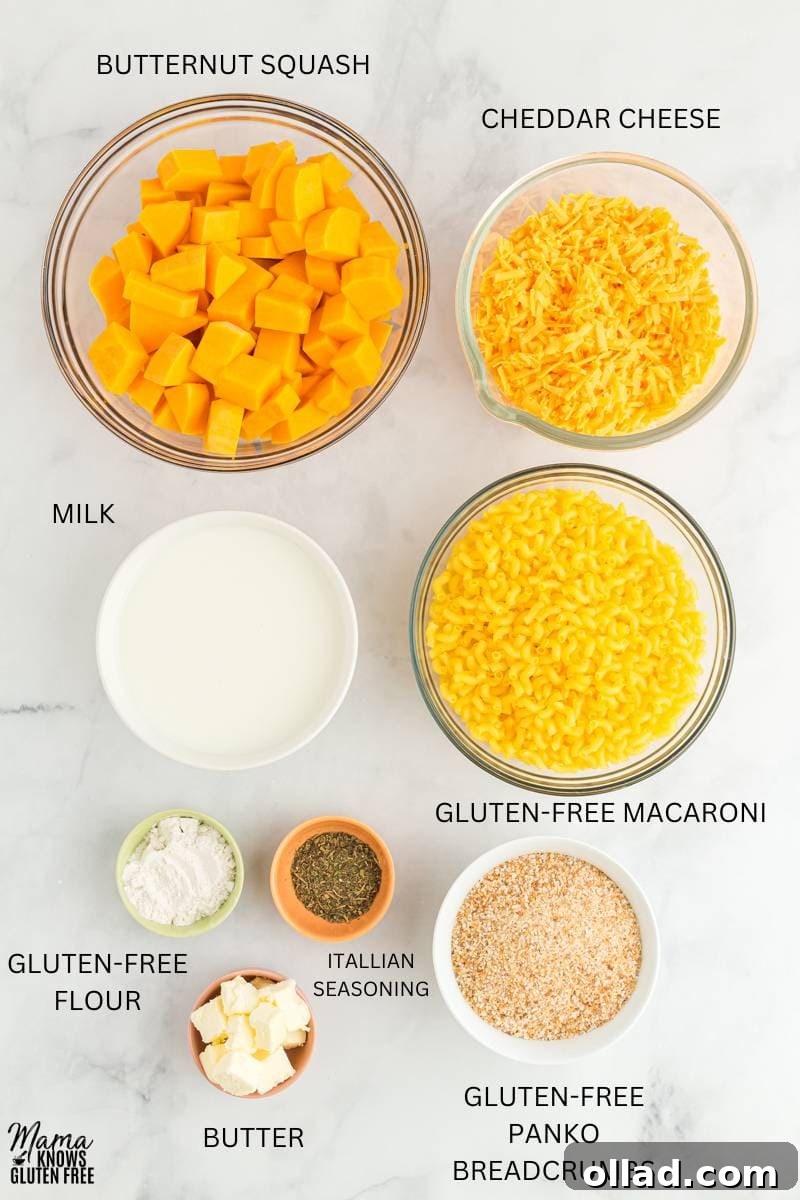
Essential Ingredients for Your Butternut Squash Mac and Cheese
Creating the ultimate gluten-free butternut squash mac and cheese begins with carefully selecting high-quality ingredients. Each element contributes significantly to the dish’s creamy texture, robust flavor, and comforting warmth. Here’s a detailed look at what you’ll need and the role each plays:
- Butternut Squash: You’ll require approximately 2 pounds of cubed butternut squash for roasting. When shopping, select a squash that feels firm, heavy for its size, and is free from any soft spots or blemishes. Aim for one that weighs at least 2 ½ pounds before peeling and deseeding to ensure you have enough for the recipe. The squash’s sweet, slightly nutty essence forms the perfect, wholesome foundation for our cheese sauce.
- Gluten-Free Macaroni: The very heart of mac and cheese! The landscape of gluten-free pasta has vastly improved, offering excellent taste and texture. Choose a brand of elbow macaroni that you’ve enjoyed before. It’s crucial to be mindful of cooking times for gluten-free pasta, as it can quickly become overcooked and mushy.
- Unsalted Butter: This forms the essential base of your roux, a mixture used to thicken the cheese sauce. Using unsalted butter allows you precise control over the overall sodium content of your dish, ensuring it’s perfectly seasoned. It also imparts a rich, decadent flavor to the sauce.
- Gluten-Free All-Purpose Flour: This is a vital thickening agent for creating a smooth, luscious béchamel-style cheese sauce. The flour combines with the butter to create a roux, which is key to achieving a thick, non-runny consistency. Ensure your chosen gluten-free flour blend is designed for general baking and thickening.
- Whole Milk: For an irresistibly creamy and rich sauce, whole milk is non-negotiable. Its higher fat content contributes significantly to a velvety texture and helps the cheese melt into a smooth, luxurious liquid. Avoid using low-fat or skim milks, as they can result in a thinner, less satisfying sauce and may cause the sauce to separate.
- Italian Seasoning: This fragrant blend, typically comprising basil, oregano, rosemary, thyme, and marjoram, adds a beautiful aromatic depth that perfectly complements the sweetness of the squash and the savory notes of the cheese. It brings a classic, comforting Italian-American flavor profile to the dish.
- Cheddar Cheese: No mac and cheese is complete without its signature cheese! Cheddar provides that familiar tangy and sharp flavor profile. For the creamiest, silkiest melt, it’s absolutely paramount to shred your own cheese from a block. Pre-shredded cheeses often contain anti-caking agents that can interfere with melting, leading to a grainy or oily sauce. A blend of sharp and mild cheddar can offer a more complex flavor.
- Gluten-Free Breadcrumbs: A delicate layer of gluten-free breadcrumbs provides a delightful textural contrast, adding a satisfyingly crunchy crust to the baked casserole. Panko-style gluten-free breadcrumbs are excellent for achieving a light and airy crispness. Be careful not to apply too much, as an excessive amount can absorb too much of the precious, gooey cheese sauce.
Crafting Your Creamy Gluten-Free Butternut Squash Mac and Cheese: A Step-by-Step Guide
Follow these meticulously detailed instructions to create a truly unforgettable and satisfying gluten-free butternut squash mac and cheese. Precision and attention to each step will ensure a perfectly balanced, gooey, and intensely flavorful dish that everyone will adore.
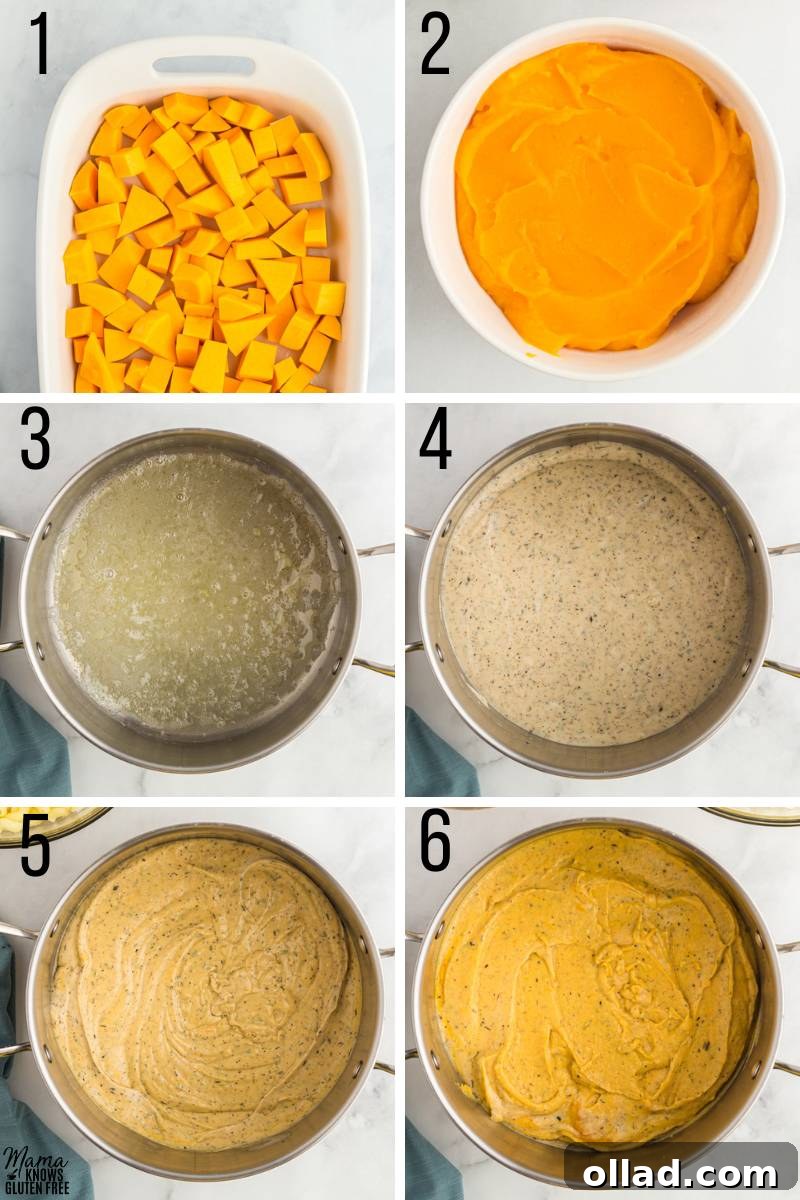
Phase 1: Roasting and Pureeing the Butternut Squash
- To begin, preheat your oven to a robust 400°F (200°C). Prepare a 9×13-inch baking dish by thoroughly spraying it with a non-stick cooking spray to prevent any sticking during roasting.
- Carefully arrange your peeled and uniformly cubed butternut squash in a single layer within the prepared baking dish. Roast the squash in the preheated oven for approximately 35 to 40 minutes. The squash is perfectly cooked when it becomes fork-tender, meaning you can easily pierce a cube with a fork. It is crucial to avoid overcooking or allowing the squash to brown excessively, as this can negatively impact its delicate flavor and the vibrant color of your finished sauce.
- Once roasted, transfer the tender butternut squash to a blender or food processor. Puree until it reaches an exceptionally smooth and silky consistency. Depending on the size and power of your appliance, you may need to process the squash in a few smaller batches. If the squash appears too thick to blend smoothly, incrementally add a tablespoon or two of water to achieve the desired silky texture.
- Measure out precisely 1 ½ cups of the freshly pureed butternut squash; this is the exact amount needed for this recipe. Any leftover puree can be stored in an airtight container in the refrigerator for up to 3-4 days, offering a versatile ingredient for other recipes or a simple, healthy side dish.
- Reduce your oven temperature to 375°F (190°C). If you choose, you can wash and reuse the same 9×13-inch baking dish, or simply grab a fresh one and lightly spray it with non-stick cooking spray, then set it aside for later use.
Phase 2: Preparing the Gluten-Free Macaroni
- In a large stockpot, ensuring it has a capacity of at least 2 quarts (2 liters), bring a generous amount of salted water to a vigorous rolling boil. Add your chosen gluten-free macaroni and cook according to the package instructions until it achieves an al dente texture. This step is critical; it is imperative not to overcook the pasta, as mushy macaroni will significantly detract from the overall texture of the baked casserole.
- Immediately after cooking to al dente, drain the macaroni thoroughly in a fine-mesh strainer. Then, rinse it generously with cold water. This crucial step is particularly important for gluten-free pasta, as it effectively halts the cooking process and prevents the pasta from clumping together, ensuring each piece maintains its individual integrity and a pleasing texture in the final dish. Set the rinsed macaroni aside.
Phase 3: Crafting the Velvety Cheese Sauce
- In an extra-large pot (preferably with a capacity of 5 quarts or more to comfortably accommodate all ingredients later), melt the unsalted butter over consistently low heat.
- Once the butter is completely melted and shimmering, swiftly whisk in the gluten-free all-purpose flour. Continue to whisk constantly for only a few fleeting seconds until a smooth, light paste (known as a roux) forms. This action must be performed quickly to prevent the flour from burning, which can impart an undesirable, bitter flavor to your sauce.
- As soon as the roux is perfectly formed, immediately pour in the whole milk and add the Italian seasoning. Increase the heat slightly to low-medium and bring the mixture to a gentle simmer. Continue to simmer and whisk constantly for approximately 5 minutes, or until you observe the sauce visibly starting to thicken. Persistent whisking throughout this stage is paramount to preventing lumps and ensuring a perfectly smooth, evenly thickened sauce.
- Remove the pot from the heat source. Add 2 cups of your freshly shredded cheddar cheese to the hot milk mixture. Whisk vigorously and continuously until the cheese is completely melted and fully incorporated, resulting in a perfectly smooth and homogeneous sauce.
- Finally, whisk in the measured 1 ½ cups of pureed butternut squash until it is thoroughly combined and seamlessly integrated into the cheese sauce. At this point, your sauce should boast a beautiful orange hue, an incredibly smooth consistency, and a wonderfully creamy texture.
Phase 4: Combining and Baking the Casserole
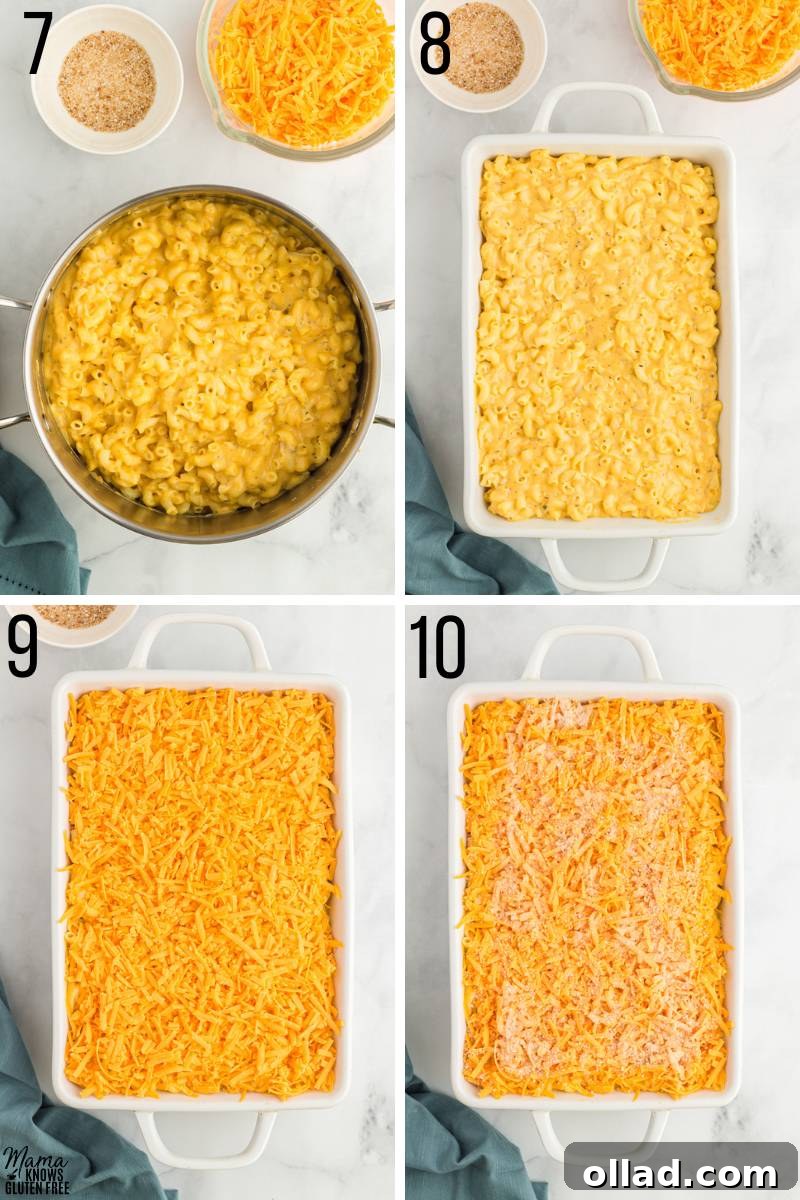
- Pour the strained and meticulously rinsed macaroni into the extra-large pot containing the luxurious butternut squash cheese sauce. Using a sturdy spatula, stir everything together thoroughly until every piece of macaroni is completely coated and enveloped in the rich, creamy sauce. Ensure no pasta is left uncovered by the cheesy goodness.
- Transfer the entire macaroni mixture into your prepared 9×13-inch baking dish. Use your spatula diligently to scrape every last bit of the flavorful sauce from the pot into the baking dish, ensuring no deliciousness is left behind. Spread the mixture evenly across the dish.
- Evenly sprinkle the remaining 2 cups of freshly shredded cheddar cheese over the entire surface of the macaroni mixture. This layer will melt into a beautifully golden, bubbly, and irresistible crust.
- For an additional layer of delightful texture and a crisp finish, lightly and evenly sprinkle the gluten-free breadcrumbs over the shredded cheese.
- Place the baking dish into your preheated 375°F (190°C) oven and bake for 25 minutes, or until the cheese topping is fully melted, visibly bubbly, and achieves a light golden-brown color.
- Carefully remove the casserole from the oven and serve it hot. Allowing it to cool for just a few minutes before serving can help the sauce to set slightly, making for easier, cleaner portions.
How to Efficiently Peel and Roast Butternut Squash
Preparing butternut squash might initially seem a bit challenging due to its firm skin, but with a few simple and safe techniques, it becomes a straightforward process. Follow these steps to perfectly prepare your squash for roasting and cubing:
- Start by placing the butternut squash on a sturdy cutting board. Using a sharp chef’s knife, carefully and steadily cut off both the top and bottom ends of the squash. This action creates stable, flat surfaces, making the squash much safer and easier to handle.
- Once the ends are removed, stand the squash upright on one of its flat ends. Using a sturdy vegetable peeler (a Y-peeler often works best), remove the tough outer skin. Continue peeling all around the squash until every trace of the pale white or tan skin is completely gone, and you’ve exposed the vibrant, uniformly orange flesh beneath. If you still spot any streaks of green, continue peeling until the color is consistent.
- Lay the peeled squash on its side on the cutting board. Carefully cut it in half lengthwise, from the top end down to the bottom.
- With a sturdy spoon (an ice cream scoop works exceptionally well for this task), efficiently scoop out and discard all the seeds and the fibrous, stringy flesh from the hollow cavities of both squash halves.
- Finally, cut the squash halves into uniform 1 to 2-inch cubes. The key here is uniformity; ensuring all pieces are roughly the same size will guarantee that they cook evenly and roast at the same speed, preventing some pieces from being undercooked while others are perfectly tender.
Expert Tips for the Best Butternut Squash Mac and Cheese
To ensure your gluten-free butternut squash mac and cheese achieves perfection every single time, keep these invaluable expert tips in mind. They are designed to enhance flavor, texture, and overall success:
- Always Shred Your Own Cheese: This is arguably the most critical tip for any mac and cheese recipe. Pre-shredded cheeses are typically coated with anti-caking agents, such as cellulose, which prevent them from clumping in the bag but also inhibit them from melting smoothly. The result can be a gritty or oily sauce. For an unequivocally creamy, silky, and luscious cheese sauce, always take the extra minute to grate your own cheddar directly from a block. The difference in texture and melt will be profound and well worth the effort.
- Embrace “Mise en Place”: This French culinary term translates to “everything in its place,” and it’s a golden rule for efficient and stress-free cooking. Before you even turn on the stove, ensure all your ingredients are measured, chopped, and readily accessible. This organized approach is particularly vital when preparing the cheese sauce, as the steps unfold quickly and demand your constant attention to prevent burning, clumping, or uneven cooking. Being prepared means you can focus entirely on the technique.
- Exercise Restraint with Breadcrumbs: A thin, even layer of gluten-free breadcrumbs atop your casserole is precisely what’s needed to create that delightful, crispy, golden crust. However, it’s easy to get carried away. Using too many breadcrumbs will turn them into a sponge, soaking up the exquisite, gooey cheese sauce and compromising the incredibly creamy interior that makes mac and cheese so appealing. A light hand is key for the perfect textural contrast.
- Season Generously and Taste Often: While Italian seasoning provides a fantastic aromatic base, don’t be afraid to adjust the seasoning to your preference. Always taste your sauce before combining it with the macaroni. Adjust salt, freshly ground black pepper, or add a pinch of garlic powder or a hint of smoked paprika as needed. Remember that cheese itself contributes significant saltiness, so season judiciously, adding a little at a time until it’s just right.
- Achieve Perfect Pasta Texture: Gluten-free pasta can be finicky; it tends to go from al dente to mushy very quickly. Pay extremely close attention to the cooking time on the package, aiming for a firm yet yielding al dente texture. Immediately rinsing the pasta with cold water after draining is a simple but highly effective trick. It halts the cooking process, washes away excess starch (which can make the sauce gummy), and prevents the pasta from sticking together, thus preserving its structural integrity for the baked dish.
How Long Does It Take to Make Gluten-Free Butternut Squash Mac and Cheese?
From the moment you start preparing your ingredients to the blissful first bite, you can anticipate spending approximately 1 hour and 20 minutes on this delightful culinary endeavor. This total time encompasses both the active preparation and the passive baking period. Here’s a more precise breakdown of the typical timeline you can expect:
- Butternut Squash Preparation & Roasting: This initial phase, including the time spent peeling, cubing, and roasting the squash, will take about 40 minutes. This is largely passive cooking time where the oven does most of the work.
- Active Recipe Preparation (Macaroni & Sauce): The hands-on time for cooking the gluten-free pasta and expertly assembling the rich, creamy cheese sauce will total approximately 15 minutes. This is where your focus and swift movements will be most engaged.
- Baking Time: The final stage, where your assembled casserole bakes in the oven to achieve its bubbly, golden, and melted cheese topping, requires a consistent 25 minutes.
For those looking to significantly streamline their active preparation time on the day of serving, a fantastic time-saving tip is to roast and puree the butternut squash up to two days in advance. Simply store the cooled puree in an airtight container in the refrigerator until you are ready to use it. This smart meal prep strategy makes the recipe even more convenient for busy weeknights or for managing the complexities of holiday meal preparation.
Storing and Reheating Your Gluten-Free Butternut Squash Mac and Cheese
Leftovers of this incredibly flavorful mac and cheese are often just as delightful as the fresh bake, and with proper storage and reheating techniques, you can ensure they remain fresh and delicious:
- Storage: Once your butternut squash mac and cheese has completely cooled to room temperature, transfer any remaining portions to a food-safe, airtight container. It can be safely stored in the refrigerator for a period of 3 to 4 days. Prompt cooling and proper sealing are key to maintaining freshness.
- Reheating: For the best results when reheating, we recommend warming individual portions. Place a single portion in a microwave-safe dish and heat it in the microwave for approximately one minute, or until it is thoroughly warmed through. For even heating, you might want to stir the mac and cheese halfway through the reheating process. Alternatively, if you prefer a slightly crisper topping for larger portions, you can reheat them in an oven preheated to around 300°F (150°C) until adequately warmed. It’s important to be aware that repeated reheating can sometimes cause gluten-free macaroni to become tougher or drier in texture. To preserve its optimal consistency, it’s best to only reheat the exact amount you plan to consume, keeping the remainder refrigerated until you’re ready to enjoy it again.
Creative Flavor Twists & Ingredient Substitutions for Your Mac and Cheese
While this gluten-free butternut squash mac and cheese recipe is undeniably perfect as written, it also serves as an incredibly versatile base for culinary creativity! Feel empowered to experiment with these delicious substitutions and imaginative additions to personalize your casserole and cater to diverse palates:
- Seasoning Alternatives: If Italian seasoning isn’t readily available or you simply wish to explore a different flavor profile, you can easily create a similar aromatic blend. Combine ¼ teaspoon of salt, ¼ teaspoon of freshly ground black pepper, and ½ a teaspoon of garlic powder. Incorporate this alternative mixture into the milk at the same step as you would the Italian seasoning. For an unexpected layer of warmth and sophistication, a tiny pinch of freshly grated nutmeg stirred into the cheese sauce can be a truly delightful addition.
- Elevate with Cheese Blends: Amplify the cheese experience by incorporating a variety of complementary cheeses. Beyond the recommended cheddar, consider mixing up the flavors by adding ¼ cup of freshly shredded Parmesan cheese (or its slightly milder cousin, Grana Padano) to the cheddar cheese topping before baking. You could also experiment with other excellent melting cheeses such as nutty Gruyere, creamy Fontina, or even a smoky Gouda for a more complex and gourmet flavor profile.
- Introduce a Spicy Kick: For those who appreciate a touch of heat, a modest pinch of cayenne pepper or a dash of your favorite hot sauce stirred into the cheese sauce can add an exciting and welcome zing, transforming a comforting dish into something with a bit more fire.
- Boost the Veggies Further: Increase the nutritional content and freshness by stirring in a handful of vibrant, fresh spinach leaves or finely chopped kale along with the cooked macaroni. The greens will wilt beautifully into the warm, rich sauce, adding extra vitamins and a pleasant textural element.
- Power Up with Protein: Effortlessly transform this hearty side dish into a complete and satisfying main course by incorporating cooked protein. Shredded rotisserie chicken, crispy bits of crumbled bacon, or even sautéed earthy mushrooms would all be fantastic and complementary additions, turning your mac and cheese into a robust meal.
- Exploring Dairy-Free Options: While this recipe is inherently rich in dairy, individuals with specific dietary restrictions might explore dairy-free alternatives. This would involve using dairy-free butter, unsweetened plain non-dairy milk (such as almond or oat milk), and a high-quality, reputable dairy-free cheddar alternative. Please note that results may vary slightly in terms of texture and flavor, but it’s certainly an avenue worth exploring for a dairy-free rendition.
Why This Gluten-Free Butternut Squash Mac and Cheese Will Become Your New Favorite
This recipe transcends the ordinary notion of a simple dish; it represents a culinary triumph that takes a universally beloved classic and significantly enhances it with both sophisticated flavor and undeniable nutritional value. By ingeniously incorporating the humble butternut squash, we introduce a delightful, subtle sweetness and an astonishing creaminess that elevates the entire dining experience, all without an overpowering squash taste. Indeed, even the most discerning and selective eaters in your household are highly likely to fall deeply in love with this healthier, yet equally indulgent, rendition of mac and cheese. It stands as a brilliant and delicious strategy to effortlessly integrate more vegetables into your diet, fully embrace the comforting and wholesome flavors of autumn, and consistently enjoy a truly satisfying meal that seamlessly aligns with a gluten-free lifestyle.
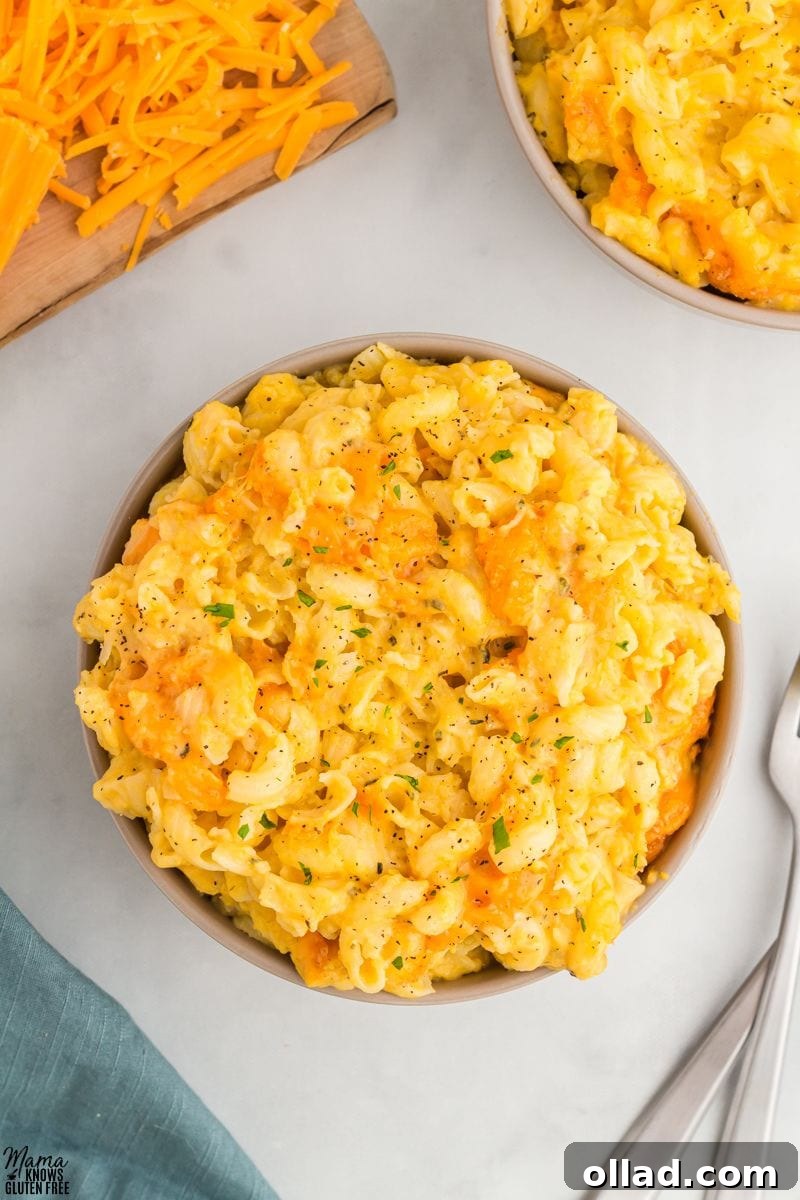
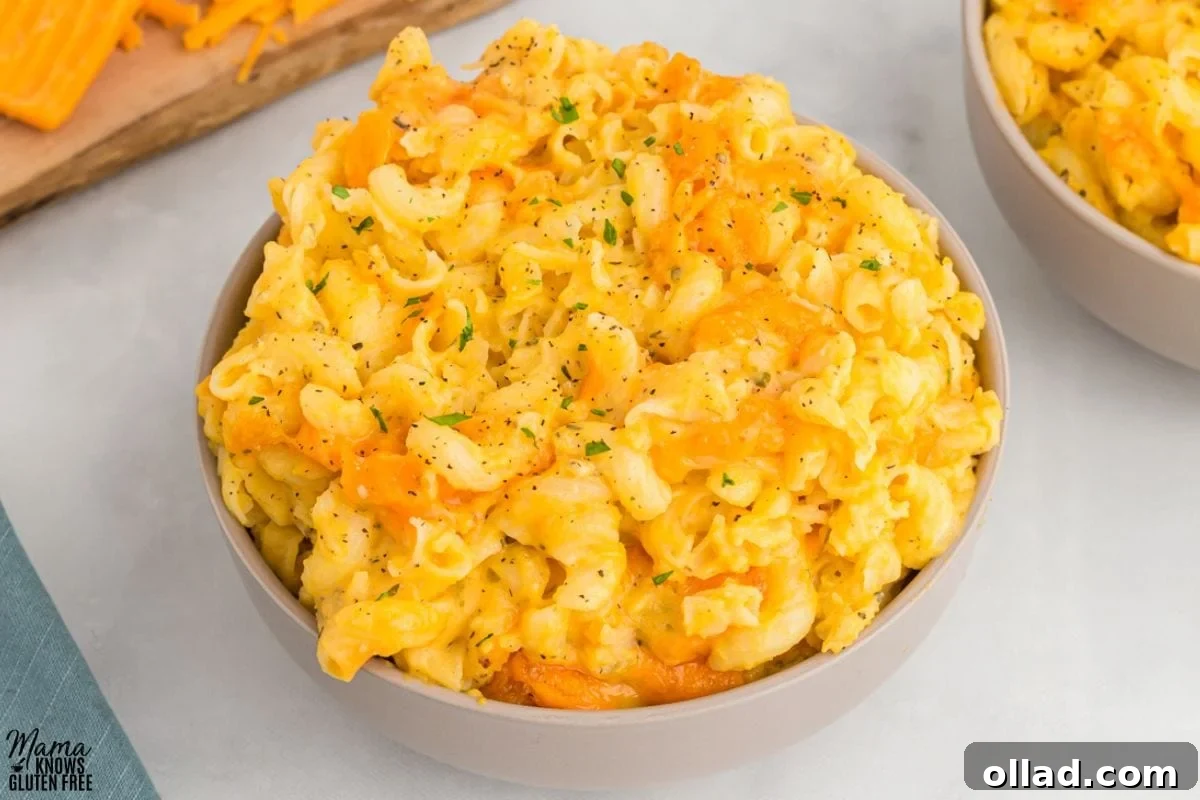
Imagine the sensory delight: a vibrant, golden casserole, visibly bubbling with an abundance of cheesy goodness, crowned with a delicate, perfectly crisp layer of golden-brown breadcrumbs. Each forkful delivers a harmonious symphony of rich, savory, and subtly sweet sensations that perfectly encapsulates the very essence of fall comfort food. This isn’t merely mac and cheese; it is a heartfelt celebration of seasonal ingredients, mindful eating, and innovative flavor combinations, unequivocally proving that healthy choices can be spectacularly delicious and utterly irresistible. Make this recipe just once, and it is virtually guaranteed to earn a permanent and cherished spot in your fall and winter recipe rotation, consistently bringing warmth, joy, and gastronomic satisfaction to your family table.
Discover More Gluten-Free Pasta Delights!
If you’ve thoroughly enjoyed this wholesome and flavorful twist on mac and cheese, you’ll be thrilled to explore our other equally delicious gluten-free pasta recipes. These dishes are crafted to bring joy and comfort to your table, proving that a gluten-free diet can be rich in variety and taste. Here are some of our favorites to inspire your next culinary adventure:
- Classic Gluten-Free Mac and Cheese
- Hearty Gluten-Free Lasagna
- Creamy Gluten-Free Pasta Alfredo
- Refreshing Gluten-Free Italian Pasta Salad
Let’s Connect! Stay connected and receive the latest gluten-free recipes, helpful tips, and culinary inspiration directly from our kitchen. You can easily FOLLOW US and join our vibrant community on Facebook, YouTube, Pinterest, or Instagram!
★ Did you make this recipe? We’d love to hear from you! Please share your experience and feedback below! ★
Butternut Squash Mac and Cheese
By: Cheryl Johnson
Servings: 6 servings
Prep Time: 15 mins
Cook Time: 1 hr 5 mins
Total Time: 1 hr 20 mins
Ingredients
- 2 pounds cubed butternut squash
- 14 ounces gluten-free macaroni
- ⅔ cup unsalted butter
- 3 tablespoons gluten-free all-purpose flour
- 3 cups whole milk
- 1 tablespoon Italian seasoning
- 4 cups shredded cheddar cheese, divided
- 2 tablespoons gluten-free panko breadcrumbs
Instructions
Roast and puree the butternut squash
- Preheat oven to 400°F. Spray a 9×13-inch baking dish with non-stick cooking spray.
- Place the uncooked butternut squash cubes into the prepared baking dish and bake for 35 to 40 minutes. Once you can easily pierce a fork through the cubes, it is ready. Do not overcook — we don’t want this to brown!
- Add the cooked butternut squash into the blender and puree. You may have to do this in a few batches depending on the size of your blender. If the squash isn’t blending well, add a tablespoon or two of water to loosen it up.
- Measure out 1 ½ cups of pureed butternut squash for use in this recipe. The rest can be refrigerated and used for a different recipe or enjoyed as a side dish with another meal.
- Reduce oven heat to 375°F. Spray another 9×13-inch baking dish with non-stick cooking spray and set aside.
Cook the macaroni
- In a large pot that fits at least 2 quarts, cook gluten-free macaroni until al dente. Do not overcook this — we don’t want it to be mushy!
- Once the macaroni is cooked to al dente, place it in a strainer and rinse with cold water to stop it from cooking further. Set aside.
Make the cheese sauce
- In an extra-large pot (at least 5 quarts), melt the butter over low heat.
- Whisk the flour into the butter until it forms a paste. This step needs to be done quickly so that the flour doesn’t start to burn. As soon as a light paste forms (only takes a few seconds), immediately pour the milk and Italian seasoning into the butter mixture.
- On low-medium heat, bring to a light simmer and continue to simmer and whisk constantly for 5 minutes until the mixture starts to thicken.
- Remove the pot from the heat and add in 2 cups of the shredded cheddar cheese. Whisk together until the cheese is fully melted.
- Whisk in the 1 ½ cups of pureed butternut squash until fully mixed.
Prep and bake the casserole
- Pour in the strained macaroni and stir well with a spatula until the macaroni is fully mixed. Use a spatula to place all of the macaroni mixture into the prepared baking dish. Be sure to get all of the sauce out of the pot and into the baking dish.
- Sprinkle the remaining 2 cups of shredded cheddar cheese evenly over top of the macaroni mixture.
- Sprinkle the gluten-free breadcrumbs evenly over top of the shredded cheese. Bake for 25 minutes until the cheese is fully melted. Serve hot.
Notes
- Shred your own cheese! Pre-shredded cheese contains anti-clumping preservatives that prevent it from melting smoothly.
- Have all of the ingredients and tools you’ll need ready and within reach before you start making this recipe. Once you start making the cheese sauce, you’ll need to whisk constantly to ensure it doesn’t burn.
- Don’t be tempted to add more gluten-free breadcrumbs. If you use too much, they’ll start to soak up the cheesy goodness that makes mac and cheese so delicious.
- Instead of Italian seasoning, you can use ¼ teaspoon of salt, ¼ teaspoon of ground black pepper, plus ½ a teaspoon of garlic powder. Add this in at the same time you add the milk into the recipe.
- Mix up the flavors by adding ¼ cup of shredded Parmesan cheese to the cheddar cheese topping.
- To store: Place in an airtight container in the fridge for 3 to 4 days.
- To reheat: Place in the microwave for 1 minute.
- Mama says, “Make sure to always check your labels!”
Nutrition
Nutrition information is automatically calculated, so should only be used as an approximation.
- Serving: 1 serving
- Calories: 817 kcal
- Carbohydrates: 61 g
- Protein: 28 g
- Fat: 52 g
- Saturated Fat: 30 g
- Polyunsaturated Fat: 2 g
- Monounsaturated Fat: 12 g
- Trans Fat: 1 g
- Cholesterol: 145 mg
- Sodium: 592 mg
- Potassium: 258 mg
- Fiber: 2 g
- Sugar: 6 g
- Vitamin A: 1597 IU
- Vitamin C: 0.02 mg
- Calcium: 704 mg
- Iron: 1 mg
Additional Info
Course: Dinner
Cuisine: American
Tried this recipe?
Mention @mamaknowsglutenfree or tag #mamaknowsglutenfree!