
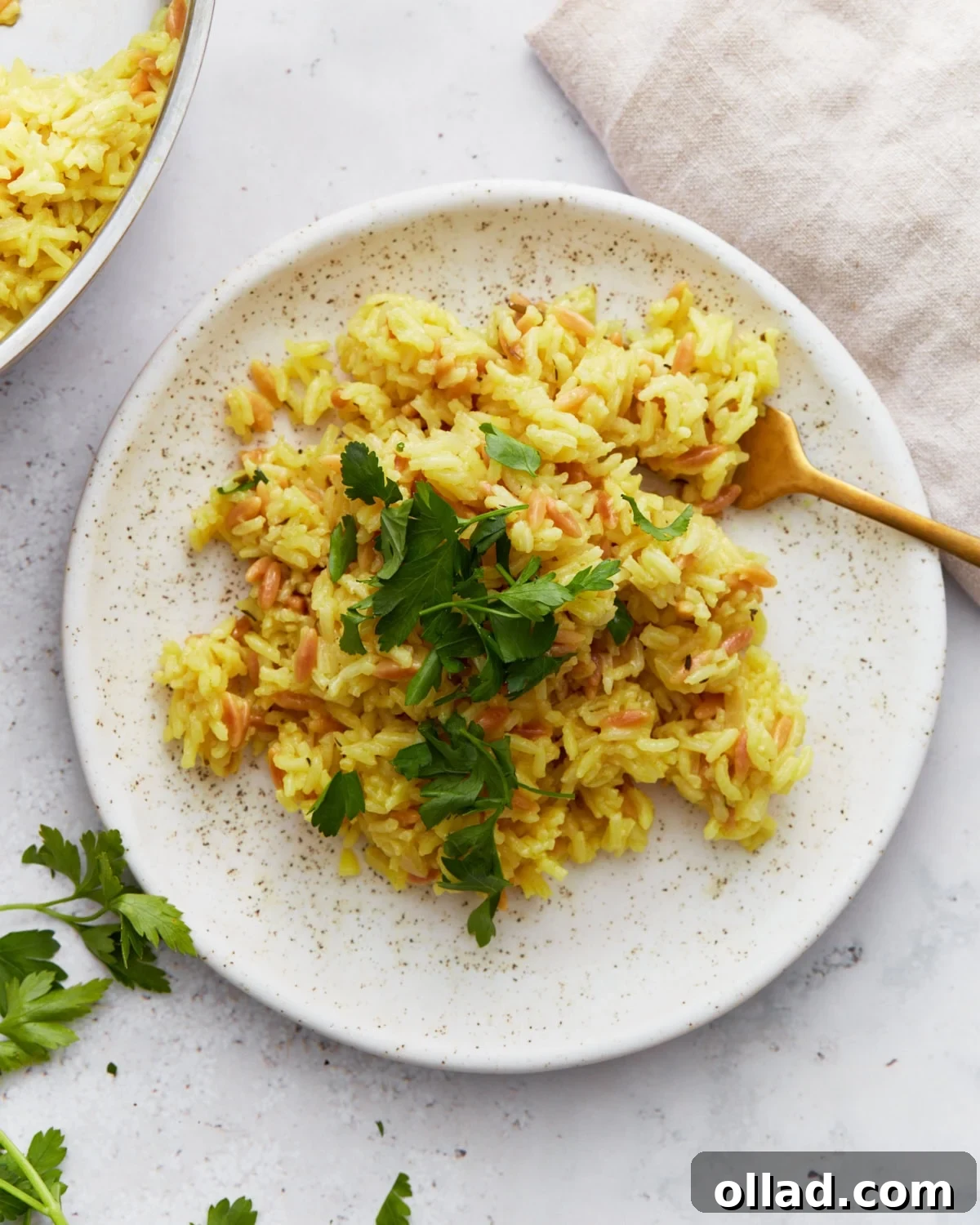
Gluten-Free Rice Pilaf: The Ultimate Homemade Side Dish
For many, rice pilaf holds a special place in childhood memories as a comforting side dish. However, the traditional boxed versions often contain hidden wheat in their “rice” pieces, which are actually pasta. This makes them off-limits for those following a gluten-free diet. But fear not! Our homemade gluten-free rice pilaf recipe brings back all those beloved, cozy flavors and delightful textures of the classic dish, completely without wheat.
Imagine tender, fluffy long-grain rice perfectly blended with toasted gluten-free pasta, all simmered together with a harmonious blend of warm, aromatic spices. This isn’t just a substitute; it’s a vibrant, flavorful creation that stands proudly on its own. Designed for convenience, this quick recipe comes together in approximately 25 minutes, making it an ideal choice for busy weeknights when you need a wholesome side fast, yet elegant enough to grace your holiday dinner table. It’s a testament to how simple, wholesome ingredients can create something truly extraordinary, proving that going gluten-free doesn’t mean sacrificing taste or tradition.
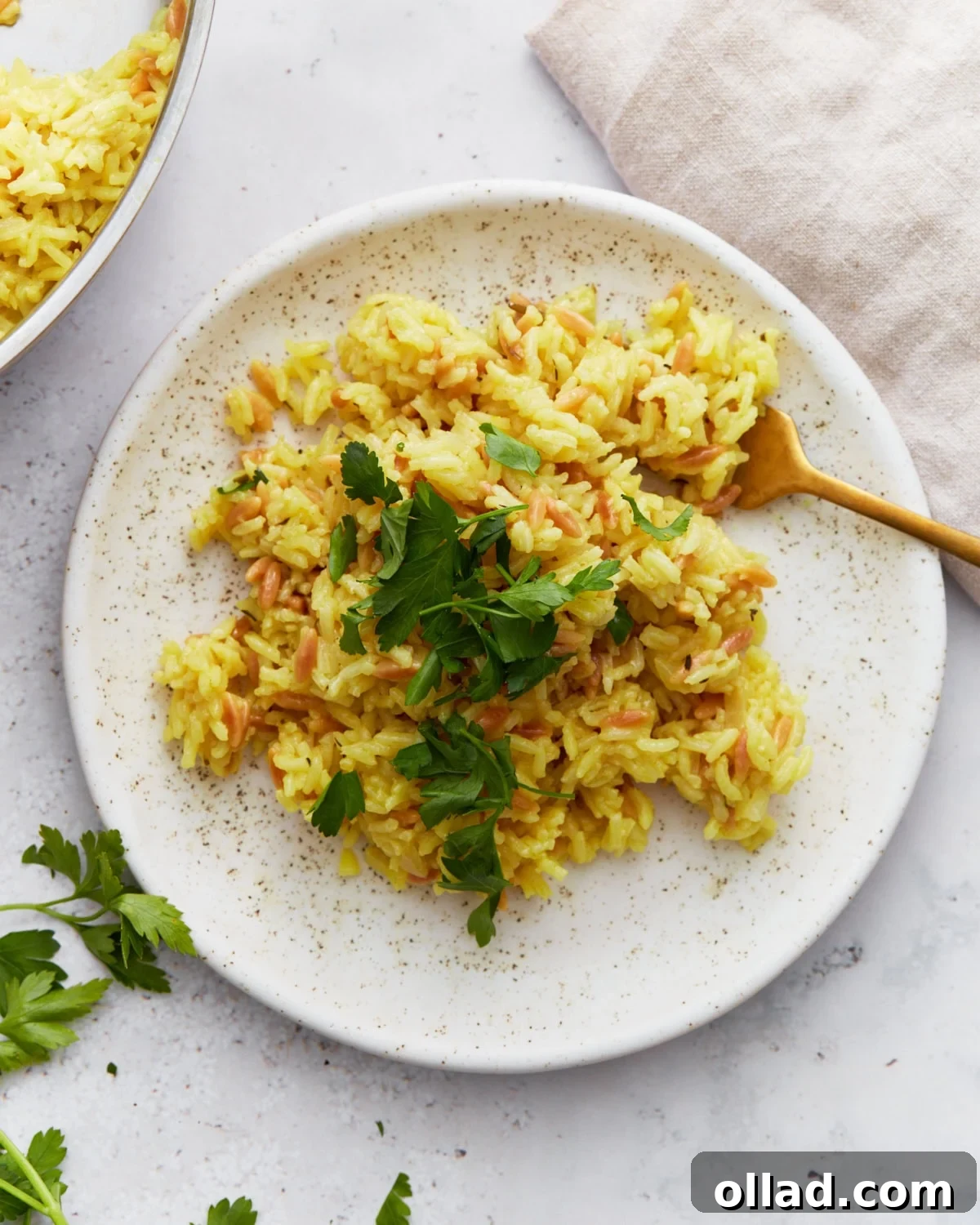
Why This Gluten-Free Rice Pilaf Recipe Will Become a Staple
Discovering that I needed to transition to a gluten-free diet meant reimagining many family favorites, and rice pilaf was high on that list. Fortunately, this incredible gluten-free rice pilaf comes together effortlessly using readily available pantry staples. The magic lies in simple ingredients like high-quality gluten-free orzo (or broken gluten-free spaghetti), fragrant long-grain rice, and a carefully selected blend of spices that perfectly recreate that iconic, savory pilaf flavor profile. You’ll be amazed at how easily you can achieve authentic taste with this gluten-free alternative.
One of the key techniques that elevates this dish is the toasting of the gluten-free orzo. This step is non-negotiable for achieving a subtle yet essential nuttiness that adds incredible depth to the overall flavor. Coupled with the savory notes from sautéed garlic and onion, each spoonful delivers a rich, complex taste that is both comforting and satisfying. This recipe offers more than just a gluten-free option; it’s a cozy, budget-friendly side dish that feels inherently special, transforming ordinary meals into memorable culinary experiences.
Beyond its deliciousness, this gluten-free rice pilaf is remarkably versatile and easy to customize. Feel free to unleash your culinary creativity! Swap in your favorite spices to tailor it to your palate, or elevate it further by tossing in additional ingredients. Imagine the earthy notes of sautéed mushrooms, the sweetness of tender peas, the crunch of slivered almonds, or the bright tang of a fresh squeeze of lemon juice just before serving. Whether you’re aiming for a simple side or a more elaborate accompaniment, this recipe provides the perfect canvas for your culinary imagination, making it truly adaptable to any meal or occasion.
Tips for Success: Achieving Perfect Gluten-Free Rice Pilaf Every Time
Crafting the perfect rice pilaf, especially a gluten-free version, involves a few key techniques that ensure optimal texture and flavor. Follow these expert tips to make your homemade gluten-free rice pilaf a consistent success:
- Mastering the Pasta Toast: The initial toasting of the gluten-free pasta (orzo or broken spaghetti) in olive oil is crucial. This step isn’t just about color; it’s about developing a rich, nutty flavor and creating a protective barrier that helps the pasta maintain its texture and prevents it from becoming mushy during simmering. Stir frequently to ensure even browning without burning.
- Precision Cooking Time: Gluten-free pasta can sometimes be more delicate than its wheat-based counterparts. Adhering closely to the recommended cooking times for both the pasta and the rice is essential to avoid overcooking. A vigilant eye and a quick taste test towards the end can prevent a soft, sticky result.
- The Nutty Flavor Secret: As mentioned, toasting the gluten-free pasta first is the secret weapon for that classic, deep nutty flavor characteristic of traditional pilaf. Don’t rush this step; allow the pasta to turn a beautiful golden brown for maximum flavor development.
- The Art of Resting: Once the rice and pasta have absorbed all the liquid and appear tender, resist the urge to immediately fluff and serve. Allowing the pilaf to sit off the heat, covered, for at least 5 minutes (and up to 10 minutes) is a game-changer. This crucial resting period allows the steam to redistribute, further hydrating the grains and helping the texture set, resulting in extra light, separate, and fluffy rice.
- Adjusting Liquid for Perfection: While our recipe provides precise liquid measurements, different types of rice and even variations in humidity can affect absorption. If, after the recommended simmering and resting time, your rice still feels a bit too firm or undercooked but all the liquid is gone, don’t hesitate to add a splash more hot broth (1/4 to 1/2 cup at a time). Cover the pot and continue to simmer on low heat for an additional 5-7 minutes, checking for tenderness before serving. It’s better to add a little extra than to end up with crunchy rice.
- Rinsing the Rice Properly: Don’t skip rinsing the long-grain rice thoroughly under cold water until the water runs clear. This removes excess starch, which is vital for preventing the rice from becoming sticky and clumpy, ensuring that each grain remains separate and fluffy.
Gluten-Free Rice Pilaf
Share by Email
Print Recipe
Step-by-step photos can be seen below the recipe card.
Equipment
-
1 saucepan
Ingredients
- 1 cup long-grain white rice, such as basmati or jasmine
- 2 tablespoons olive oil
- 1/4 cup gluten-free orzo pasta, or spaghetti, broken into 1-inch pieces
- 1/4 cup onion, diced
- 1 clove garlic, minced
- 2 cups chicken broth, Use veggie broth for a vegetarian version
- 1/4 teaspoon salt
- 1/4 teaspoon black pepper
- 1/4 teaspoon turmeric
- 1/4 teaspoon dried thyme
- Optional: fresh parsley for serving
Instructions
-
Rinse the rice under cold water until the water runs clear. (Rinsing rice is key to removing excess starch and preventing stickiness—do not skip this essential step for perfectly fluffy pilaf.) Drain well.
-
Heat olive oil in a medium saucepan over medium heat.
-
Add the gluten-free orzo or broken gluten-free spaghetti to the hot oil. Toast the pasta for 2–3 minutes, stirring constantly, until it turns a beautiful golden brown. This step develops a rich, nutty flavor.
-
Stir in the diced onion and sauté for 3–4 minutes until it has softened and become translucent. Add the minced garlic and cook for an additional 30 seconds, until it becomes wonderfully fragrant, being careful not to burn it.
-
Add the well-rinsed and drained long-grain rice to the pan. Stir it gently with the pasta and aromatics, cooking for another 1–2 minutes to lightly toast the rice grains and enhance their flavor.
-
Pour in the chicken broth (or vegetable broth for a vegetarian option). Stir in the salt, black pepper, turmeric, and dried thyme. Bring the mixture to a rolling boil over medium-high heat.
-
Once boiling, reduce the heat to its lowest setting, cover the saucepan tightly with a lid, and let it simmer undisturbed for 15–18 minutes. Cook until the rice and pasta are tender, and all the liquid has been fully absorbed.
-
Remove the saucepan from the heat, keeping the lid securely in place. Allow the pilaf to rest for a minimum of 5 minutes. This crucial resting period allows the grains to steam and become perfectly fluffy.
-
Uncover the pan and gently fluff the gluten-free rice pilaf with a fork. Serve immediately, garnished with fresh chopped parsley if desired, and enjoy its comforting flavors.
Notes
- Brown Rice Adjustment: If you prefer to use brown rice for a nuttier flavor and increased fiber, please note that it requires a longer cooking time. You will need to add an extra 1/2 cup of broth and increase the simmering time to approximately 35–40 minutes, or until tender.
- Pasta Alternatives: While gluten-free orzo or broken gluten-free spaghetti pieces work wonderfully for their classic pilaf texture, other thin gluten-free pasta shapes or even thin rice noodles can be used. For the best texture and flavor, choose pasta made from ingredients like rice, corn, or quinoa.
Nutrition
Serving: 1serving
Calories: 295kcal
Carbohydrates: 50g
Protein: 6g
Fat: 8g
Saturated Fat: 1g
Polyunsaturated Fat: 1g
Monounsaturated Fat: 5g
Cholesterol: 2mg
Sodium: 592mg
Potassium: 97mg
Fiber: 1g
Sugar: 1g
Vitamin A: 6IU
Vitamin C: 1mg
Calcium: 23mg
Iron: 1mg
Nutrition information is automatically calculated, so should only be used as an approximation.
Additional Info
Tried this recipe? Mention @mamaknowsglutenfree or tag #mamaknowsglutenfree!
How to Make Gluten-Free Rice Pilaf Step by Step
Creating this delicious gluten-free rice pilaf is a straightforward process that yields impressive results. Follow these detailed steps to ensure a perfect batch every time.
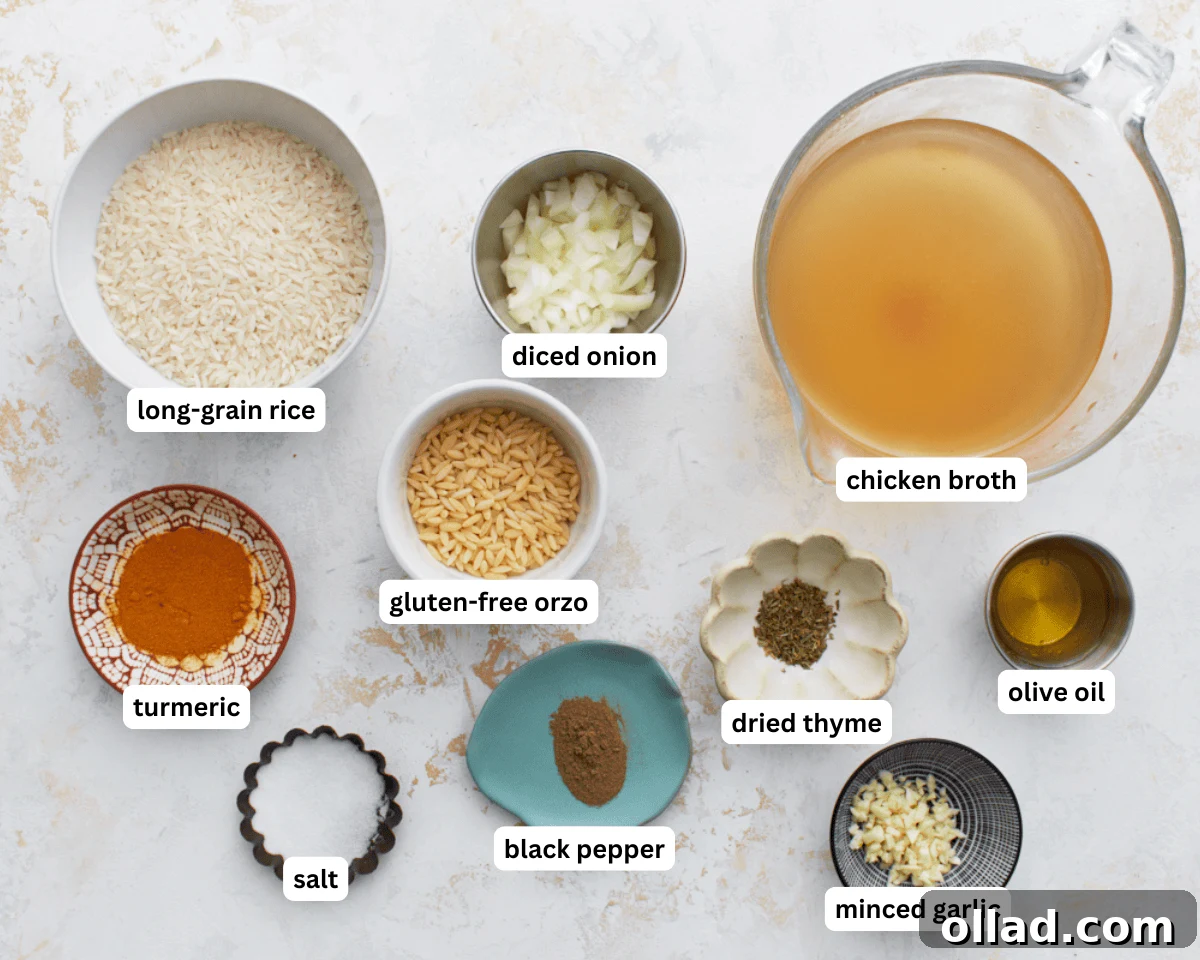
Step 1: Gather the Ingredients. Before you begin cooking, ensure all your ingredients are measured and ready. This mise en place approach makes the cooking process smooth and efficient, especially for a quick recipe like pilaf.
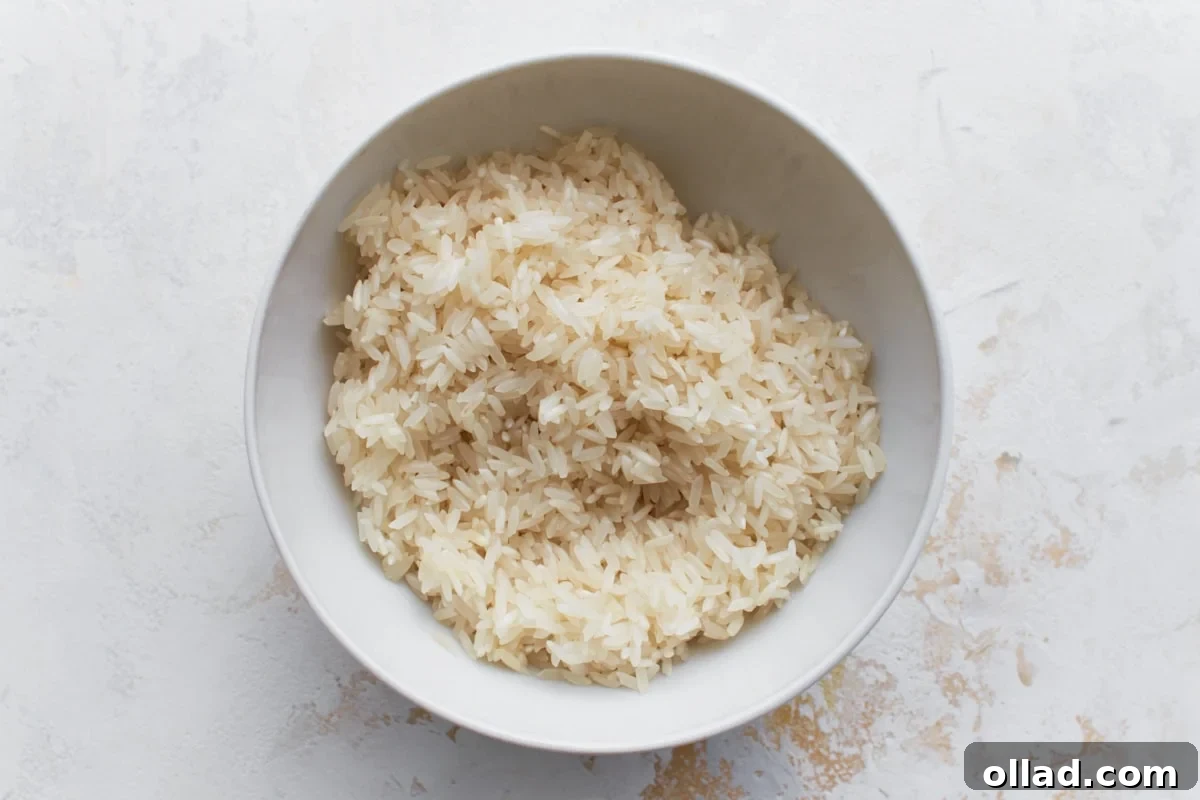
Step 2: Rinse the Rice Thoroughly. Take 1 cup of long-grain white rice (such as basmati or jasmine) and place it in a fine-mesh sieve. Rinse it under cold running water, moving the rice around with your fingers, until the water running through it is completely clear. This crucial step removes excess starch, which is key to achieving light, separate, and fluffy grains, preventing your pilaf from becoming sticky. Once rinsed, drain the rice exceptionally well and set it aside.
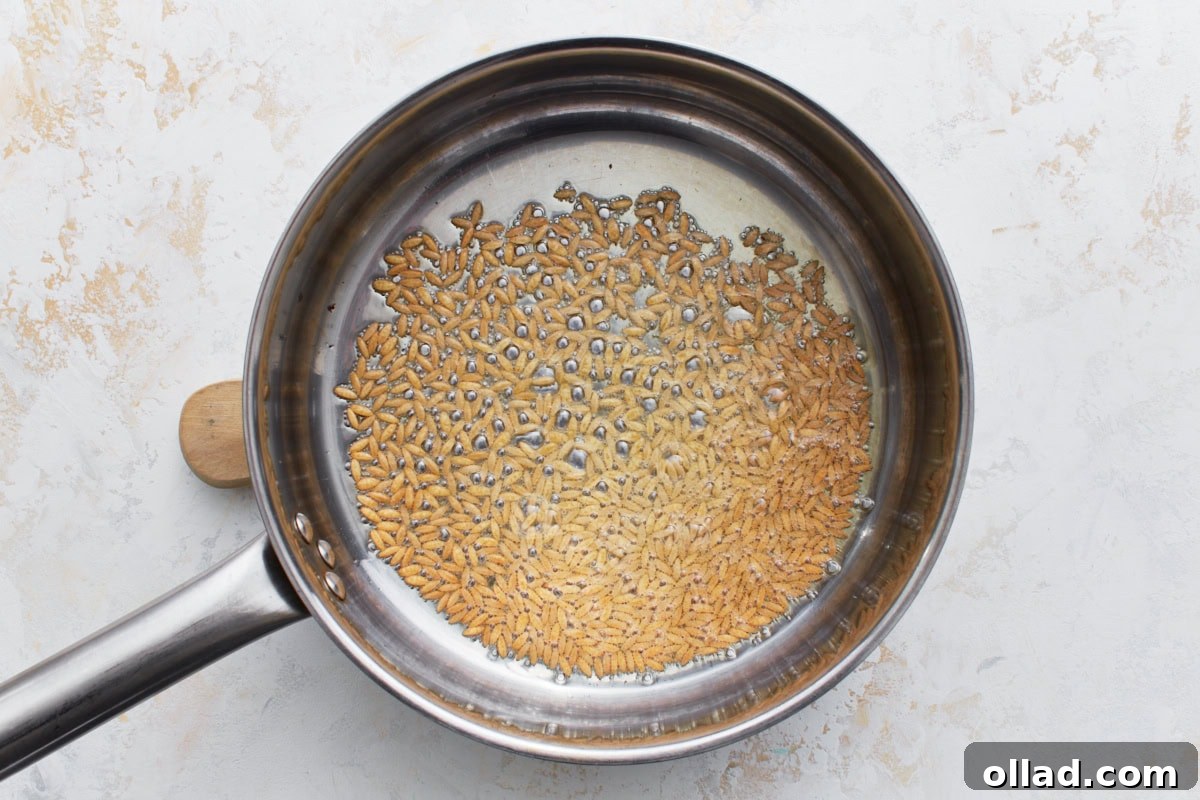
Step 3: Toast the Gluten-Free Orzo. In a sturdy saucepan, heat 2 tablespoons of olive oil over medium heat. Once the oil shimmers, add the ¼ cup of gluten-free orzo pasta (or broken 1-inch pieces of gluten-free spaghetti). Cook, stirring frequently with a wooden spoon or spatula, for 2–3 minutes until the pasta turns a beautiful, light golden brown and smells slightly nutty. This toasting step significantly enhances the flavor and texture of the pilaf.
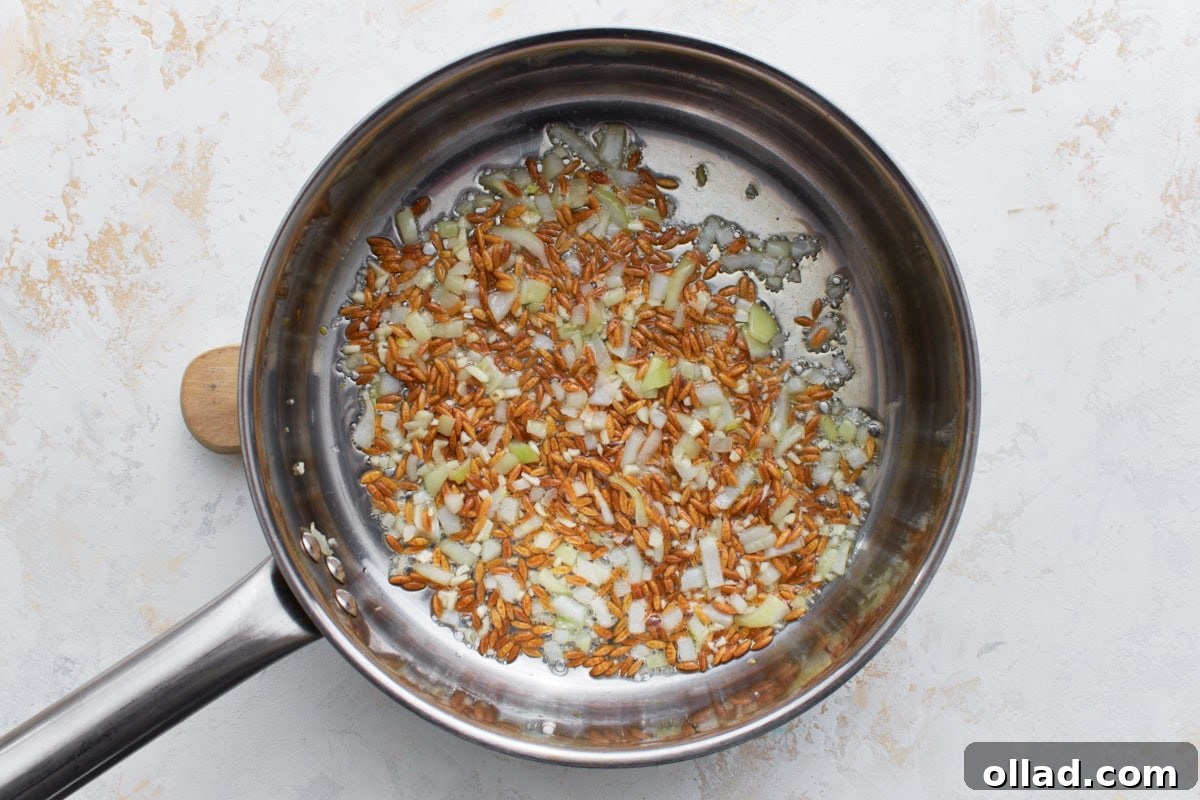
Step 4: Sauté the Aromatics. To the pan with the toasted orzo, add ¼ cup of diced onion. Sauté the onion, stirring occasionally, for 3-4 minutes until it has softened and become translucent. Next, add 1 minced garlic clove and cook for an additional 30 seconds, stirring continuously, until the garlic becomes fragrant. Be careful not to let the garlic burn, as this can impart a bitter taste.
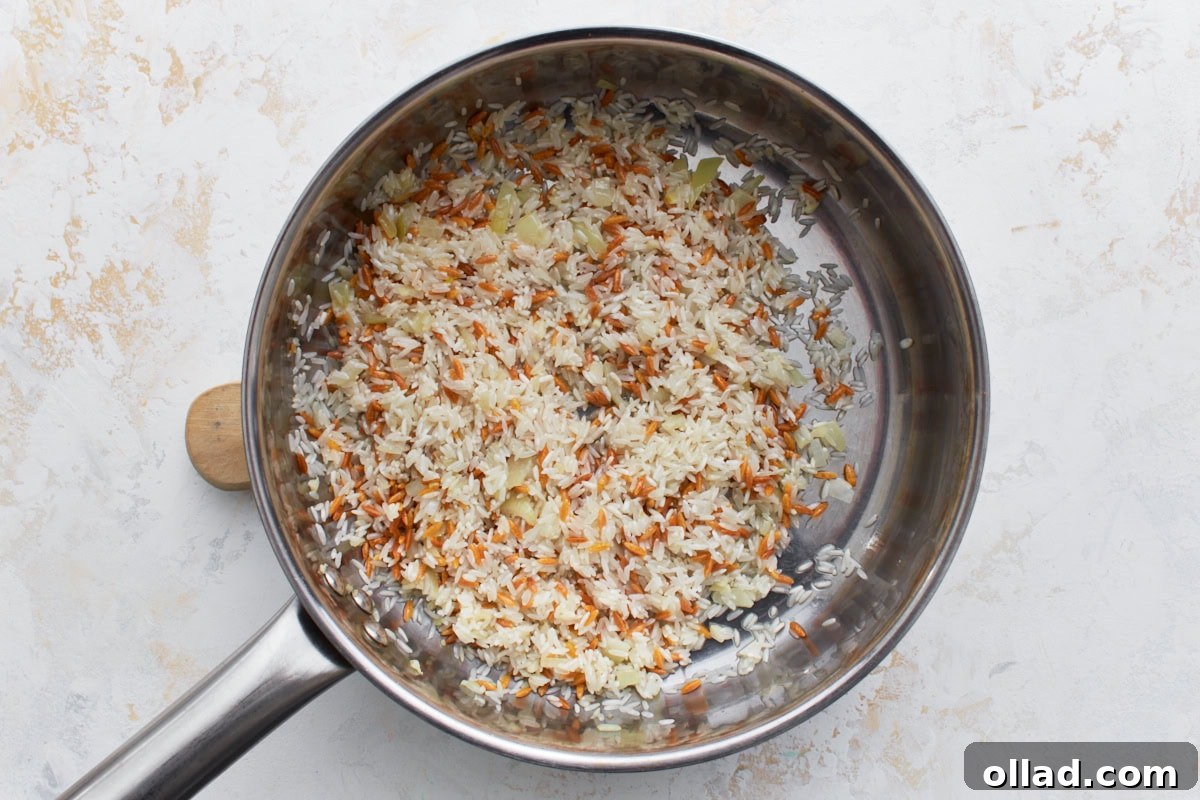
Step 5: Incorporate the Rice. Add the thoroughly washed and drained 1 cup of long-grain rice to the pan with the toasted pasta and aromatics. Stir everything together gently, allowing the rice grains to lightly toast for another 1-2 minutes. This brief toasting can help prevent the rice from clumping and adds another layer of flavor.
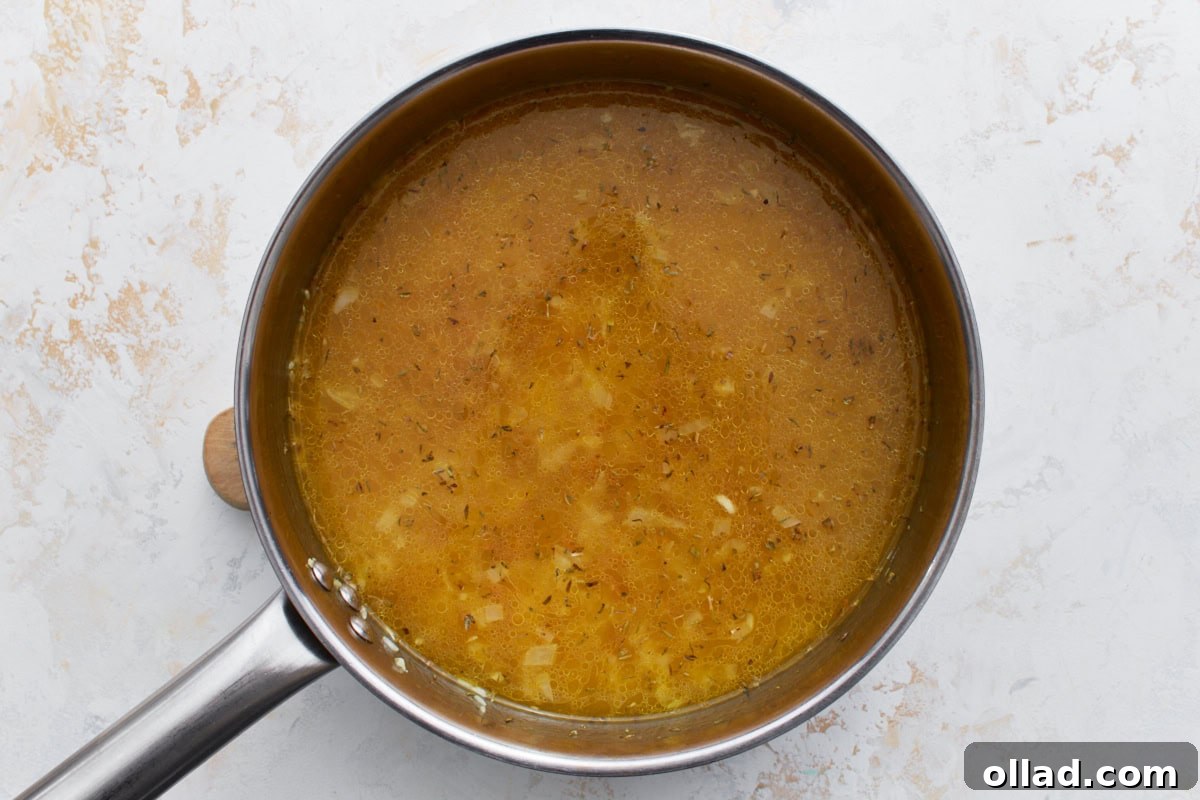
Step 6: Simmer to Perfection. Pour in the 2 cups of chicken broth (or vegetable broth if you’re making a vegetarian version). Stir in ¼ teaspoon of salt, ¼ teaspoon of black pepper, ¼ teaspoon of turmeric (for its beautiful color and subtle earthy notes), and ¼ teaspoon of dried thyme. Bring the mixture to a rolling boil over medium-high heat. Once boiling, reduce the heat immediately to the lowest setting, cover the pan tightly with a lid, and simmer for 15–18 minutes. Cook until the rice and pasta are tender to the bite and all the liquid has been fully absorbed into the grains.
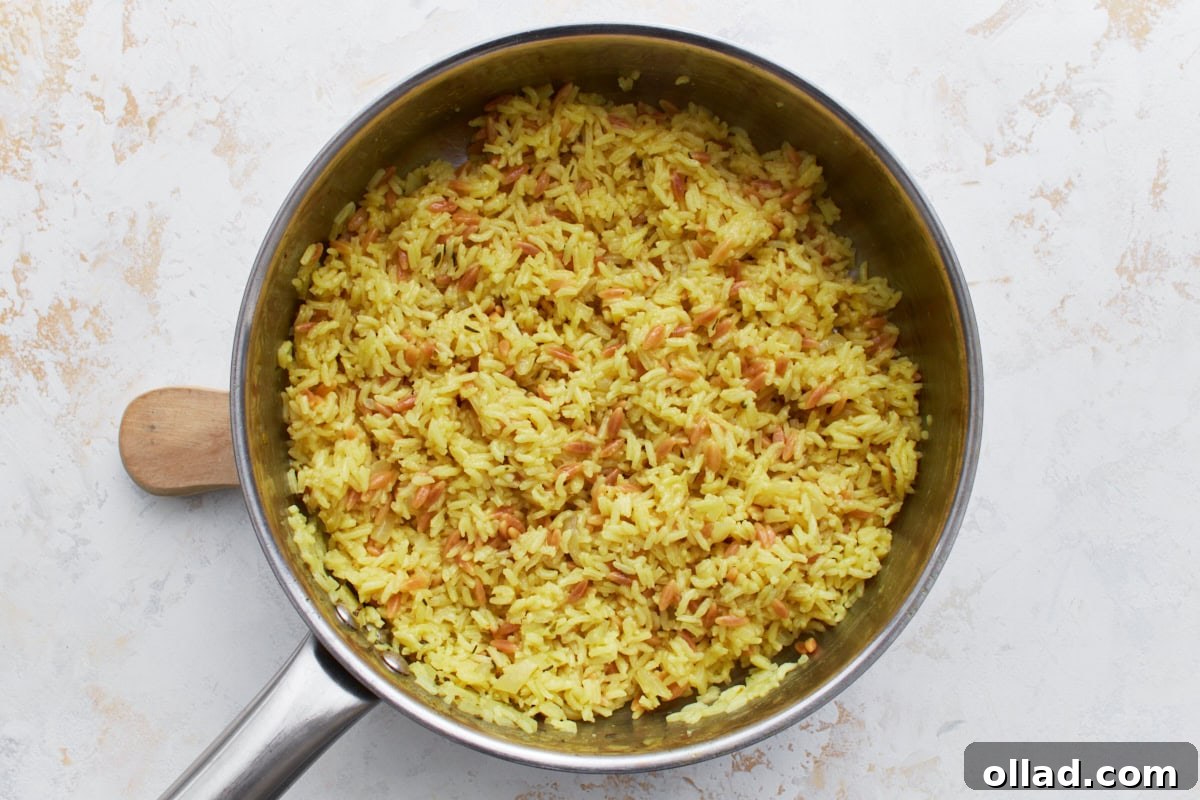
Step 7: Rest the Pilaf. This step is often overlooked but is vital for the perfect pilaf texture. Once the cooking time is complete, remove the saucepan from the heat but keep the lid on. Let the pilaf sit, covered and undisturbed, for 5 minutes. This resting period allows the steam to finish cooking the rice, resulting in perfectly separate, fluffy grains.
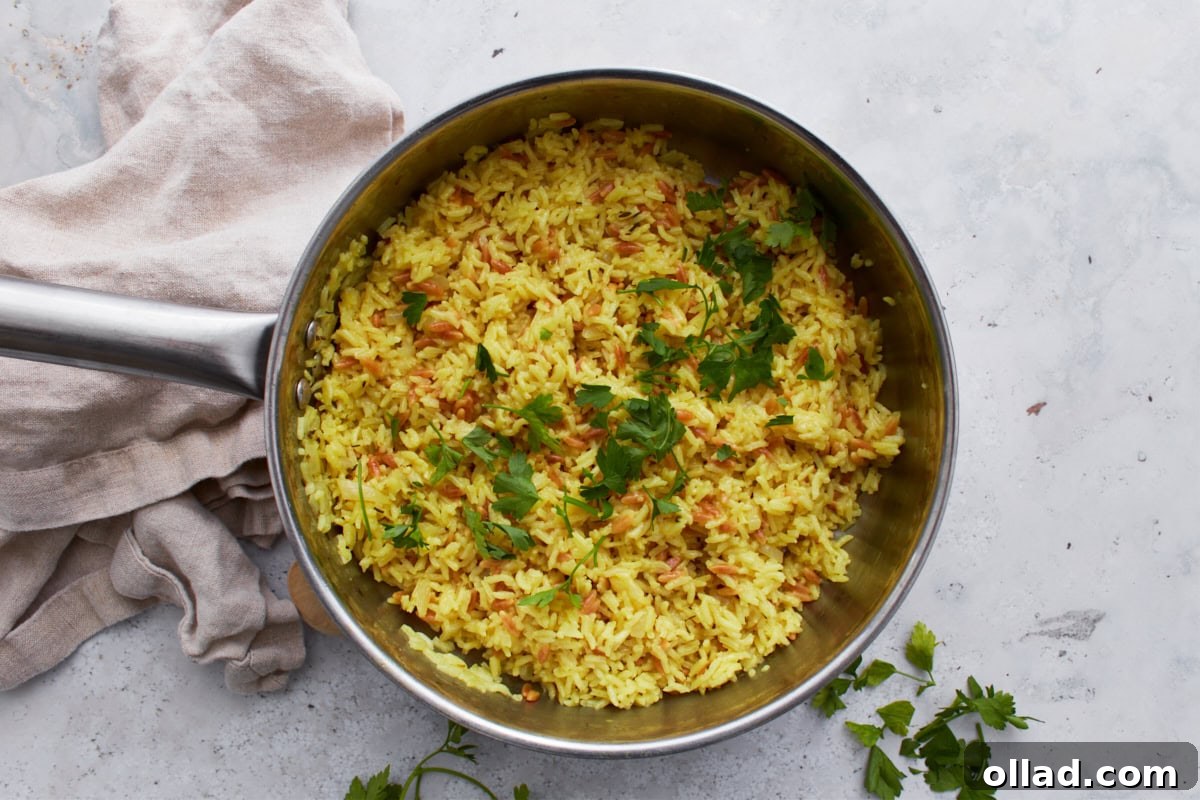
Step 8: Fluff, Serve, and Enjoy! Remove the lid and use a fork to gently fluff the pilaf, separating the grains and incorporating the toasted pasta evenly. Serve immediately as a delightful side dish to your favorite main courses. For an extra touch of freshness and vibrant color, top with a sprinkle of freshly chopped parsley. Enjoy your homemade, flavorful gluten-free rice pilaf!
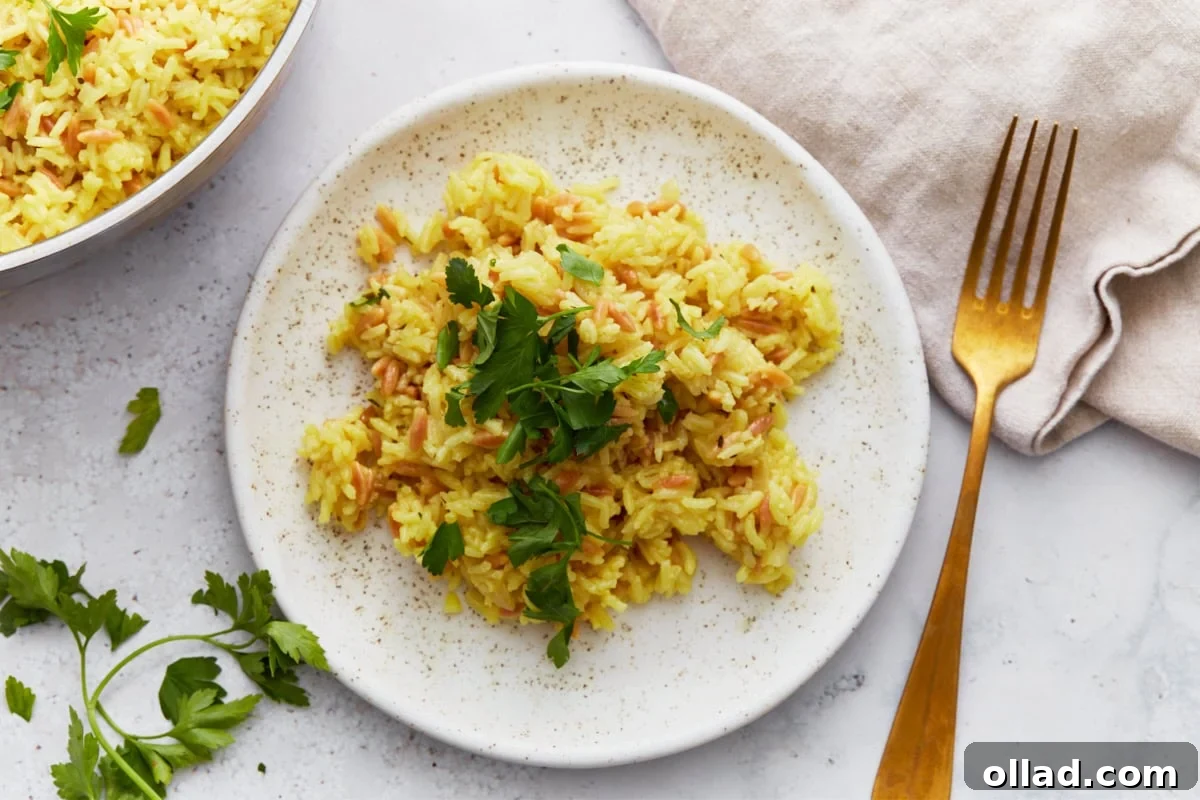
Serving Suggestions: Perfect Pairings for Your Gluten-Free Rice Pilaf
This versatile gluten-free rice pilaf is more than just a side dish; it’s a flavorful foundation that complements a wide array of main courses. Its tender texture and savory spice blend make it an exceptional accompaniment to both simple weeknight meals and elaborate holiday feasts.
I find this pilaf absolutely divine served alongside succulent grilled chicken, especially when marinated with Mediterranean herbs, or with beautifully roasted salmon, allowing the rice to soak up all those delicious, flavorful juices. It creates a well-rounded and satisfying meal that is both healthy and incredibly tasty. This pilaf is also a natural and authentic fit for any Mediterranean-inspired spread, pairing wonderfully with tender lamb kabobs, creamy hummus, or a refreshing dairy-free tzatziki. The subtle spices in the pilaf enhance these traditional flavors beautifully.
For those looking to elevate their pilaf experience, consider stirring in some additional ingredients. Sautéed vegetables like bell peppers or zucchini can add freshness and texture. A handful of toasted nuts, such as slivered almonds or pine nuts, introduces a delightful crunch and extra nutty depth. You can even use this flavorful pilaf as the base for a quick and easy grain bowl; simply add your favorite lean protein, a medley of fresh herbs, and a drizzle of your preferred light dressing for a complete and wholesome meal. Its adaptability makes it a truly indispensable recipe in your gluten-free repertoire.
Storage and Meal Prep Tips for Gluten-Free Rice Pilaf
This gluten-free rice pilaf is not only delicious freshly made but also stores and reheats wonderfully, making it an excellent choice for meal prepping. Proper storage ensures its flavors remain vibrant and its texture appealing.
To store any leftovers, allow the pilaf to cool completely to room temperature within one hour of cooking. Transfer it to an airtight container and refrigerate for up to 4 days. When you’re ready to enjoy it again, reheat the pilaf gently in a pan on the stovetop over low heat. To prevent it from drying out and to revive its fluffy texture, add a splash of chicken broth or water (about 1-2 tablespoons per serving) while reheating. Stir occasionally until it’s heated through. Alternatively, you can microwave individual portions, adding a small amount of liquid and stirring halfway through, until warm.
For longer storage, this rice pilaf is perfectly freezer-friendly, making it a fantastic component for your meal prep strategy. Divide the cooled pilaf into individual, portioned freezer-safe containers or heavy-duty freezer bags. It can be frozen for up to 3 months without significant loss of quality. To reheat from frozen, it’s best to thaw the pilaf overnight in the refrigerator. Once thawed, reheat it on the stovetop or in the microwave as described above, ensuring it reaches an internal temperature of 165°F (74°C) before serving.
Frequently Asked Questions About Gluten-Free Rice Pilaf
Here are some common questions about making and enjoying gluten-free rice pilaf:
-
Can I make this pilaf vegetarian or vegan?
Yes, absolutely! To make this recipe vegetarian, simply substitute chicken broth with a high-quality vegetable broth. For a vegan version, use vegetable broth and ensure your gluten-free pasta is egg-free (most rice or corn-based pastas are). The olive oil is already vegan, making this a simple swap. -
What kind of gluten-free pasta works best?
Gluten-free orzo pasta is ideal for its small, rice-like shape, which blends seamlessly with the rice. If orzo isn’t available, gluten-free spaghetti or vermicelli broken into 1-inch pieces works perfectly as a substitute. Look for pastas made from rice, corn, or quinoa for the best texture and flavor. Avoid chickpea or lentil-based pastas as they can have a stronger flavor and different cooking properties. -
Why do I need to rinse the rice?
Rinsing the rice is a critical step that removes excess surface starch. This prevents the rice grains from sticking together during cooking, ensuring a light, fluffy, and separate pilaf, which is the hallmark of a well-made dish. Skipping this step can result in a gummy or clumpy texture. -
Can I add other vegetables to the pilaf?
Definitely! This recipe is highly adaptable. You can stir in finely diced carrots, celery, bell peppers, or even frozen peas (add them during the last 5 minutes of simmering) for added nutrition, color, and flavor. Sautéing harder vegetables like carrots with the onion for a few extra minutes will ensure they become tender. -
How can I make the pilaf more flavorful?
For an extra boost of flavor, consider adding a pinch of saffron threads (steeped in a tablespoon of hot broth) for a luxurious aroma and color, or a touch of a dried herb blend like Herbs de Provence. A bay leaf added during simmering can also infuse the pilaf with subtle depth. A squeeze of fresh lemon juice or a sprinkle of fresh dill after fluffing brightens the entire dish.
More Gluten-Free Side Dishes You’ll Love
If you’re searching for more delicious and dependable gluten-free side dishes, we’ve got you covered. These recipes are perfect for complementing any meal, whether for a weeknight dinner or a special occasion.
- Gluten-Free Mashed Potatoes: Creamy, dreamy, and utterly comforting, these mashed potatoes are a classic for a reason.
- Gluten-Free Green Bean Casserole: A holiday favorite made safe and delicious for everyone to enjoy.
- Gluten-Free Potato Salad: Perfect for picnics, BBQs, or a simple side, this potato salad is a crowd-pleaser.
- Gluten-Free Garlic Bread: The ultimate accompaniment to Italian meals or any dish that calls for a savory, garlicky bread.
Conclusion: Your New Go-To Gluten-Free Rice Pilaf
Say goodbye to boring or restrictive side dishes and hello to your new favorite gluten-free rice pilaf. This recipe successfully captures the essence of the classic dish, delivering all the comforting flavors and satisfying textures without any gluten. From the nutty toasted orzo to the fluffy, spice-infused rice, every forkful is a delight. Quick to prepare, easy to customize, and perfect for any occasion, this homemade gluten-free rice pilaf is destined to become a staple in your kitchen. Enjoy the simplicity and deliciousness of a truly inclusive side dish!