

Delicious Gluten-Free Almond Flour Sugar Cookies: Your Perfect Roll-and-Cut Treat
These almond flour sugar cookies capture the nostalgic comfort of a classic sugar cookie, delivering a wonderfully soft, buttery texture with a delicate, nutty undertone. Designed for effortless baking, these roll-and-cut cookies consistently bake up with a tender interior and perfectly crisp edges, making them ideal for festive decorating during the holidays or simply enjoying as an everyday indulgence. The dough is remarkably easy to prepare and handles beautifully, rolling out smoothly without fuss. The result is a stunning cookie that looks and tastes indistinguishable from its traditional counterparts, but with the added benefit of being gluten-free.

Having previously crafted a beloved gluten-free sugar cookie recipe that incorporates almond extract for its delightful flavor, transitioning to a true almond flour base felt like a natural and exciting progression. Almond flour has become an indispensable staple in many gluten-free kitchens, celebrated for its fine texture and unique characteristics. These exquisite cookies come together with just a handful of straightforward ingredients: blanched almond flour, high-quality butter, granulated sugar, and pure vanilla extract. They are incredibly simple to whip up, whether you’re preparing for a special occasion or satisfying a sudden weeknight craving. Unleash your creativity by decorating them for seasonal festivities, involve your children in the joyful process, or package a batch to share with appreciative friends and family.
Choosing almond flour for sugar cookies offers several advantages. Not only is it a fantastic gluten-free alternative, but it also imparts a subtle richness and tenderness that can be challenging to achieve with conventional flours. It provides a slightly denser yet incredibly moist crumb, and its natural sweetness allows for a reduction in added sugar compared to some recipes. These cookies are not just a gluten-free option; they are a genuinely delicious treat in their own right, deserving a place in any cookie enthusiast’s repertoire.
Essential Gluten-Free Baking Tips for Success
Baking with almond flour, while similar to traditional baking, has a few nuances that can significantly impact your results. Following these tips will help ensure your almond flour sugar cookies turn out perfectly every time:
- Allow the Dough Ample Time to Chill: This step is non-negotiable for roll-and-cut cookies. Chilling the dough in the refrigerator for at least 30 minutes solidifies the butter, making the dough much firmer and easier to handle. This firmness is crucial as it helps the cookies maintain their intricate shapes and prevents excessive spreading during baking, resulting in those desirable clean edges.
- Avoid Overworking the Dough: Once your ingredients are just combined and a soft dough has formed, stop mixing. Overworking gluten-free dough, especially those with almond flour, can lead to a tougher texture. After the initial mixing, allow the dough to rest and chill. When you’re ready to roll, handle it gently and efficiently to avoid warming the butter too much.
- If the Dough Cracks, Don’t Panic: Almond flour dough can sometimes appear delicate and prone to cracking while rolling, particularly if it’s very cold. However, it’s incredibly forgiving. If you notice any cracks, simply press the dough back together with your hands. The warmth of your hands will help it come together, and it will bake up beautifully without any visible seams.
- Addressing Sticky or Wet Dough: The consistency of dough can vary slightly depending on humidity or minor ingredient variations. If your dough feels overly sticky or too soft to roll out effectively after chilling, gradually add 1 to 2 tablespoons of extra blanched almond flour and mix gently until it reaches a more manageable consistency. A second brief chill can also work wonders in firming it up.
- Accurate Flour Measurement is Key: Unlike wheat flour, almond flour is much finer and can be easily over-packed. Always spoon your almond flour into the measuring cup and then level it off with a straight edge (like the back of a knife) rather than scooping directly from the bag. This ensures you’re not adding too much flour, which could result in dry, crumbly cookies.
- Maintain Consistent Oven Temperature: Gluten-free baking often benefits from precise oven temperatures. Before placing your cookies in the oven, ensure it’s fully preheated to 350°F (175°C). Using an oven thermometer can help verify your oven’s accuracy. Consistent heat ensures even baking and helps achieve that perfect balance of tender centers and lightly crisp edges.
Rating: 5 out of 5 stars from 1 vote
Almond Flour Sugar Cookies
Sabine Venier
20 cookies
20 mins
10 mins
30 mins
1 hr
Share by Email
Print Recipe

These almond flour sugar cookies have the same soft, buttery feel as a classic sugar cookie with a slightly nuttier finish. They’re easy roll-and-cut cookies that bake up tender in the center with lightly crisp edges, perfect for decorating during the holidays. The dough comes together quickly and rolls smoothly, giving you a no-fuss cookie that looks and tastes just like the traditional version.
Equipment
- 1 hand or stand mixer
Ingredients
- 2 cups blanched almond flour
- ½ tsp baking powder
- ¼ tsp salt
- 6 tbsp unsalted butter, softened
- ⅓ cup granulated sugar
- 1 large egg
- 1 tsp pure vanilla extract
Instructions
- In a medium bowl, whisk together the blanched almond flour, baking powder, and salt until well combined. Set this dry mixture aside.
- In a large mixing bowl, using either a hand mixer or a stand mixer fitted with the paddle attachment, cream together the softened unsalted butter and granulated sugar. Beat on medium speed until the mixture becomes light, fluffy, and pale in color, typically 2-3 minutes.
- Add the large egg and pure vanilla extract to the creamed butter and sugar mixture. Continue mixing on medium speed until all ingredients are thoroughly incorporated and the mixture is smooth. Scrape down the sides of the bowl as needed.
- Gradually add the whisked dry ingredients (almond flour, baking powder, salt) to the wet ingredients. Mix on low speed until a soft dough begins to form. Be careful not to overmix; stop as soon as the ingredients come together. The dough will be soft but should be manageable. If it feels excessively sticky or too soft to handle, you may add 1-2 tablespoons of additional almond flour, mixing gently until the desired consistency is achieved.
- Carefully gather the dough into a ball, then wrap it tightly in plastic wrap. Chill the dough in the refrigerator for at least 30 minutes. This chilling period is crucial for firming up the butter, which makes the dough much easier to roll out and cut into shapes without sticking or losing its form. You can prepare this dough up to 2 days in advance and keep it refrigerated.
- Preheat your oven to 350°F (175°C). Line a large baking sheet with parchment paper to prevent sticking and ensure easy cleanup.
- Remove the chilled dough from the refrigerator. Place the dough between two sheets of parchment paper. Using a rolling pin, roll the dough evenly to a thickness of approximately ¼-inch. If the dough seems a bit sticky during rolling, you can lightly dust the parchment paper or the dough itself with a small amount of gluten-free all-purpose flour to prevent sticking.
- Using your favorite cookie cutters, cut out various shapes from the rolled dough. As you cut, collect any dough scraps. It’s important to chill the remaining dough that needs to be re-rolled before continuing, as the butter will soften from handling. Gather the scraps, gently knead them back together, wrap in plastic, and chill for 10-15 minutes before re-rolling and cutting out more cookies until all the dough is used.
- Carefully transfer the cut cookie shapes to the prepared baking sheet, ensuring they are spaced about 1 inch apart to allow for even baking.
- Bake the cookies in the preheated oven for 10–12 minutes. The cookies are ready when their edges turn a light golden color. For a slightly crisper cookie, you can bake them for an additional 1-2 minutes, watching them closely to prevent over-browning.
- Once baked, remove the baking sheet from the oven and allow the cookies to cool on the sheet for about 5 minutes. This helps them firm up before handling. After 5 minutes, carefully transfer the cookies to a wire rack to cool completely. Once fully cooled, frost and decorate them as desired with your favorite icing or sprinkles. Serve and enjoy these delicious homemade treats!
Notes
- Always use blanched almond flour for these cookies. Blanched almond flour has had its skins removed, resulting in a finer texture and a lighter, more uniform color in your cookies. Unblanched almond flour, which includes the skins, will yield a darker cookie with a slightly grainier texture.
- For crispier cookies, extend the baking time by an additional minute or two, observing carefully until the edges achieve a deeper golden-brown hue.
- For softer, melt-in-your-mouth cookies, remove them from the oven as soon as the edges just begin to show a light golden tint. Overbaking will make them more brittle.
- Decorating Tips: Once completely cooled, these cookies are a perfect canvas for decoration. Use royal icing for intricate designs, simple buttercream frosting for a softer bite, or a quick glaze made with powdered sugar and milk. Food coloring and sprinkles can add festive touches.
- Flavor Variations: Enhance the flavor by adding a touch of lemon zest to the dough, or experimenting with other extracts like almond extract (if you love a stronger almond flavor) or peppermint extract for a holiday twist.
Nutrition
Serving: 1 cookie | Calories: 110 kcal | Carbohydrates: 6g | Protein: 3g | Fat: 9g | Saturated Fat: 3g | Polyunsaturated Fat: 0.2g | Monounsaturated Fat: 1g | Trans Fat: 0.1g | Cholesterol: 18mg | Sodium: 44mg | Potassium: 5mg | Fiber: 1g | Sugar: 4g | Vitamin A: 118IU | Calcium: 32mg | Iron: 0.5mg
Nutrition information is automatically calculated and should only be used as an approximation.
Additional Info
Baking, Dessert
American
How to Make Almond Flour Sugar Cookies Step by Step
Here’s a visual guide to ensure your almond flour sugar cookies turn out perfectly:
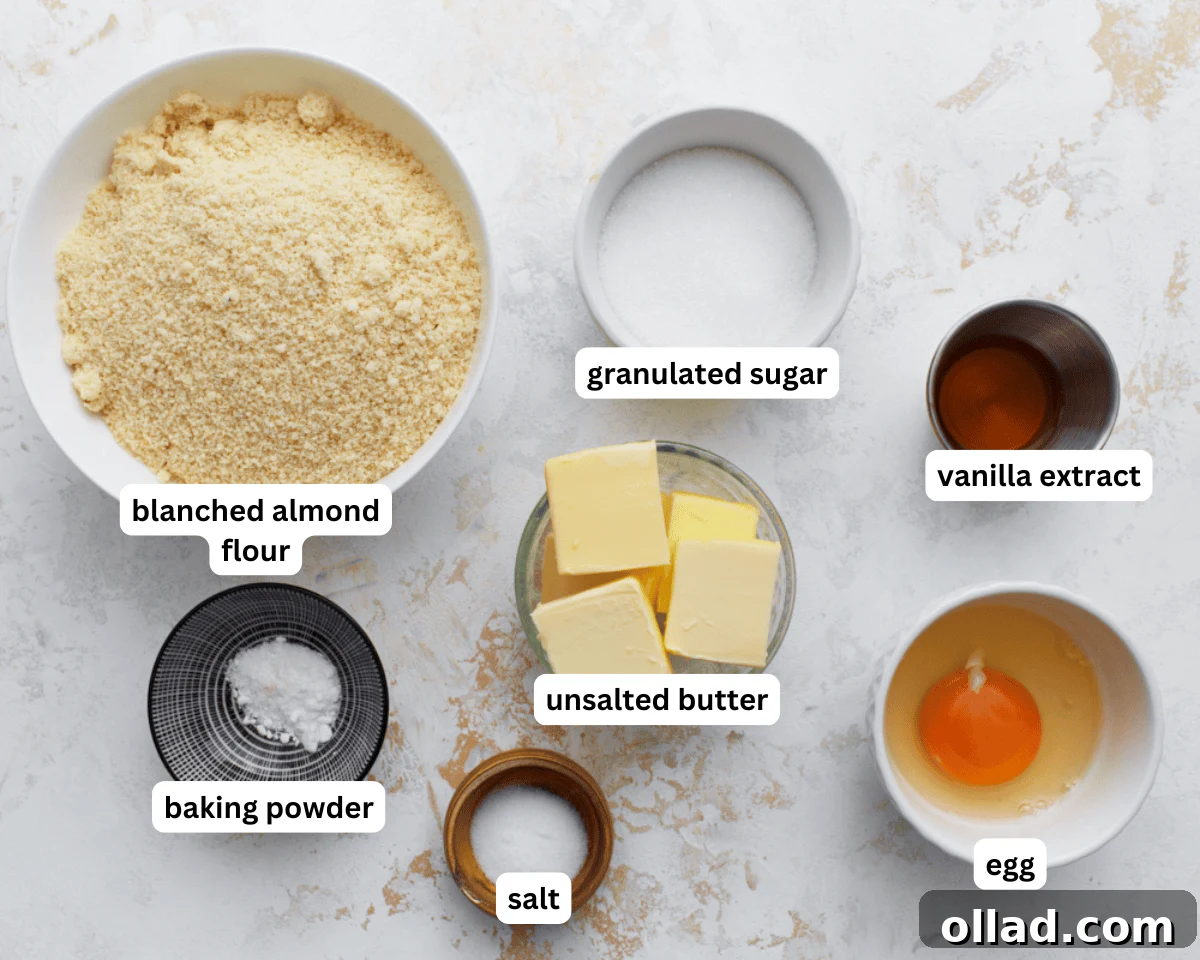
Gather all the necessary ingredients. Having everything measured and ready before you start mixing will make the process much smoother and more enjoyable.
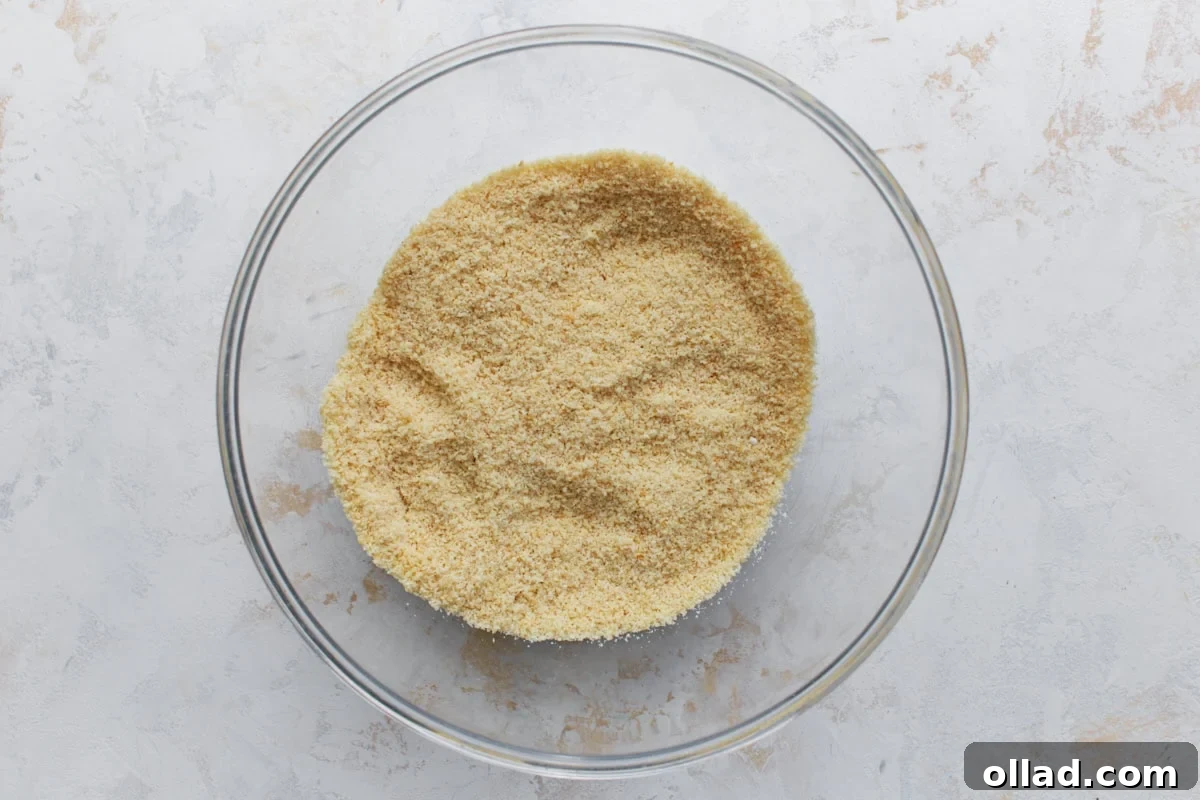
Mix the dry ingredients: In a medium-sized bowl, thoroughly whisk together 2 cups of blanched almond flour, ½ teaspoon of baking powder, and ¼ teaspoon of salt. This ensures that the leavening agent and seasoning are evenly distributed throughout the dry mixture.
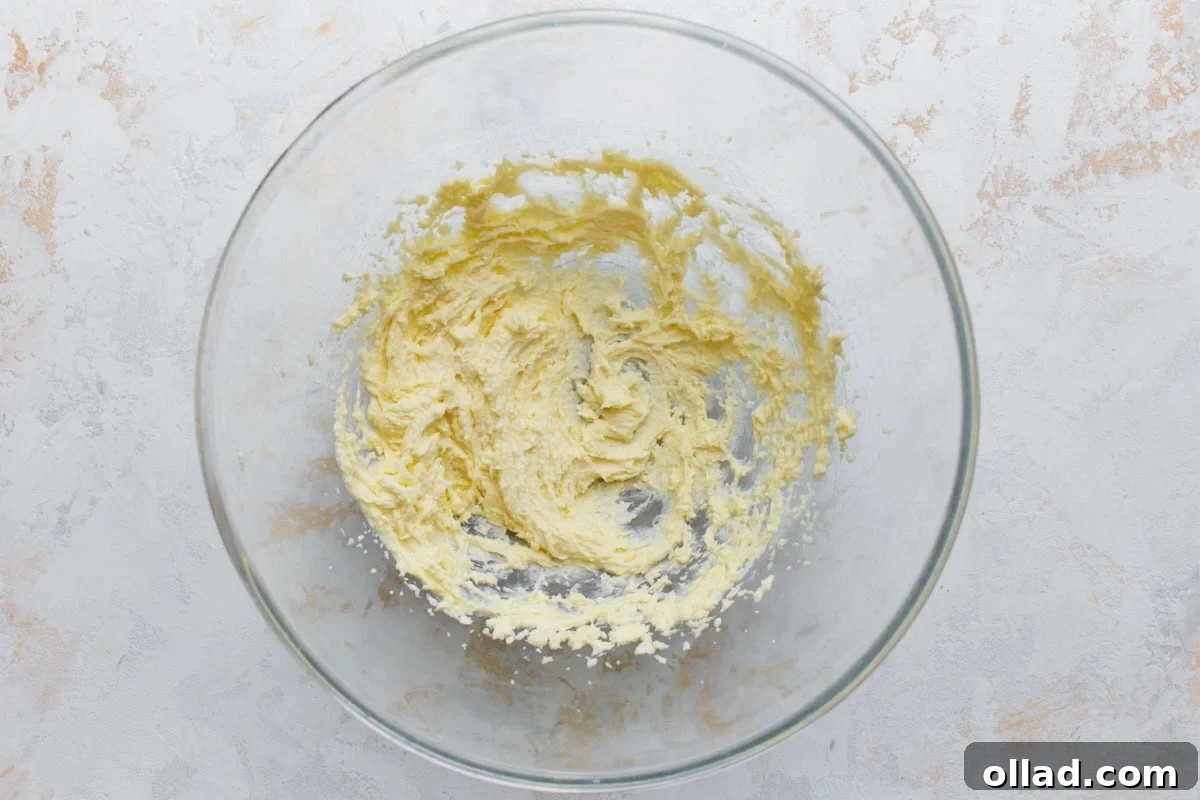
Beat butter and sugar: In a large bowl, using either a hand mixer or a stand mixer with the paddle attachment, beat together 6 tablespoons of softened unsalted butter and ⅓ cup of granulated sugar. Continue beating until the mixture is light, airy, and fluffy, and the sugar is well incorporated.
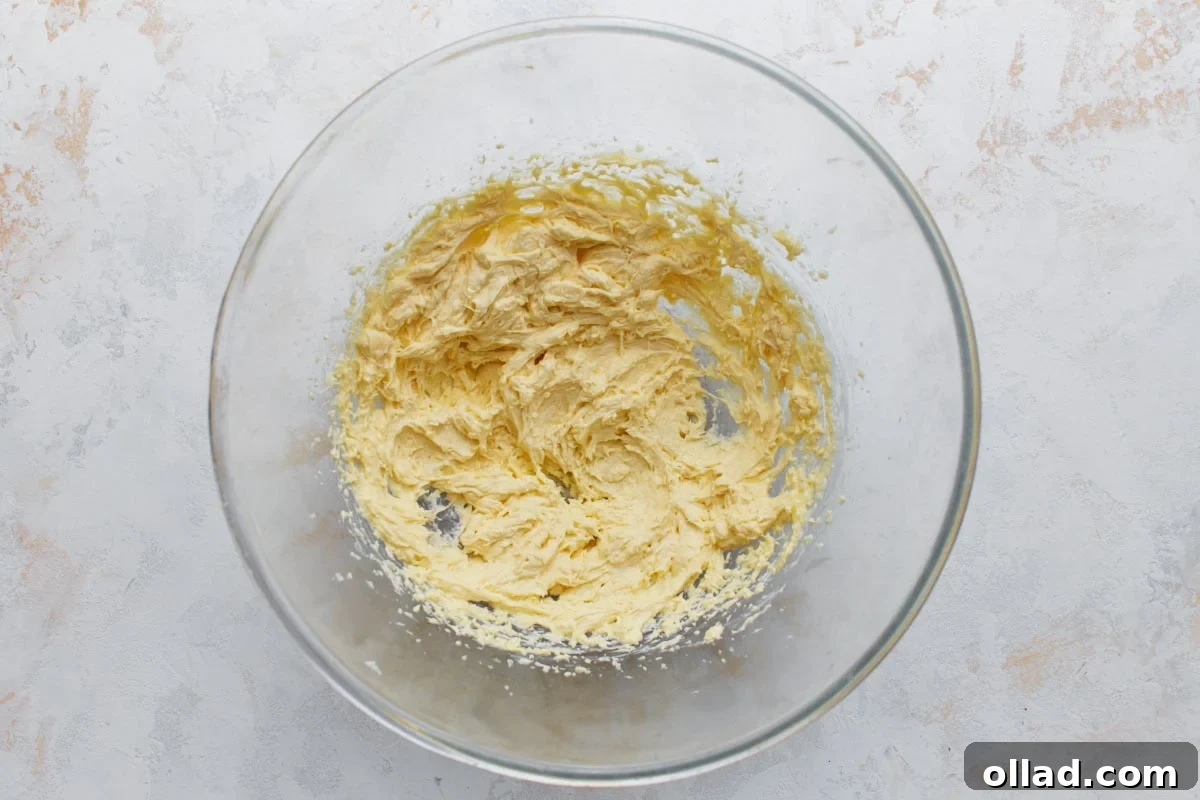
After beating the butter and sugar, add the large egg and 1 teaspoon of pure vanilla extract to the bowl. Mix again until the ingredients are fully combined and the mixture appears smooth and cohesive. Scrape down the sides of the bowl to ensure everything is incorporated.
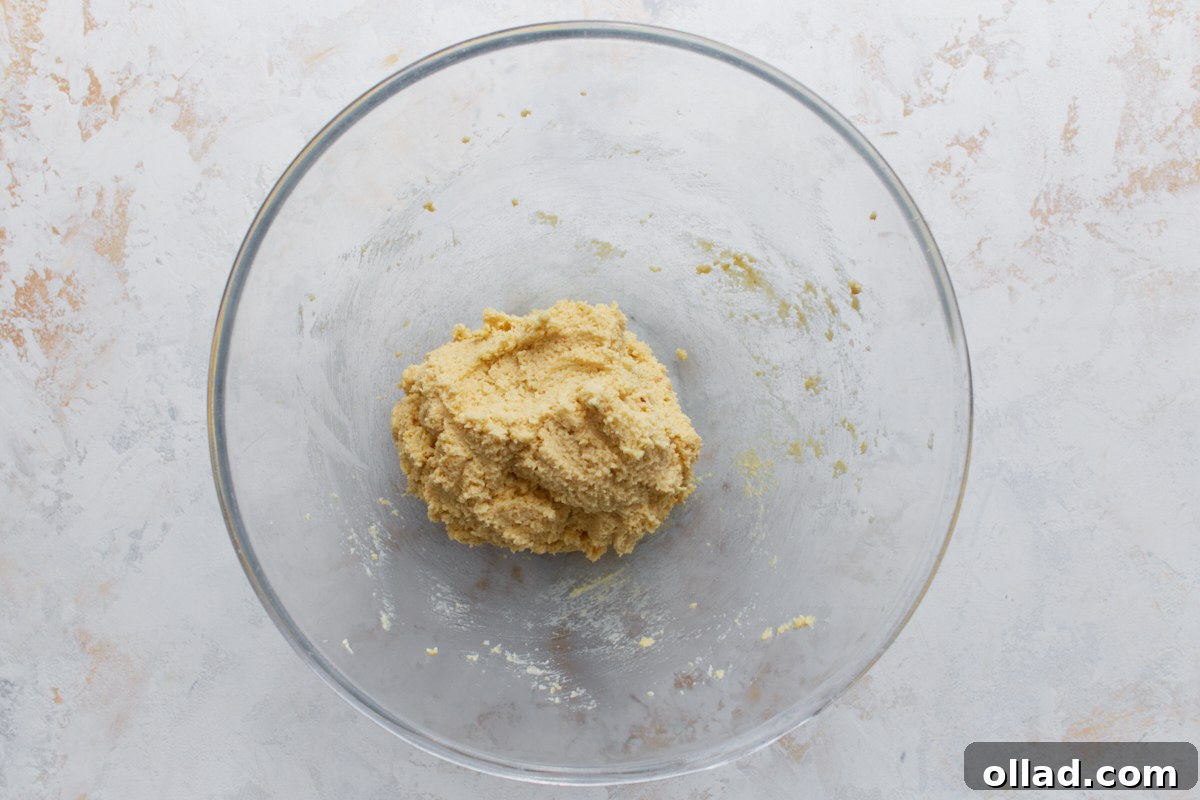
Combine the ingredients: Gradually add the dry ingredients to the wet mixture, mixing on low speed until a soft dough forms. It should be soft but easy to manage. If it feels too sticky to work with, gently mix in an additional 1-2 tablespoons of almond flour until it reaches a suitable consistency. Overmixing is not ideal for almond flour dough.
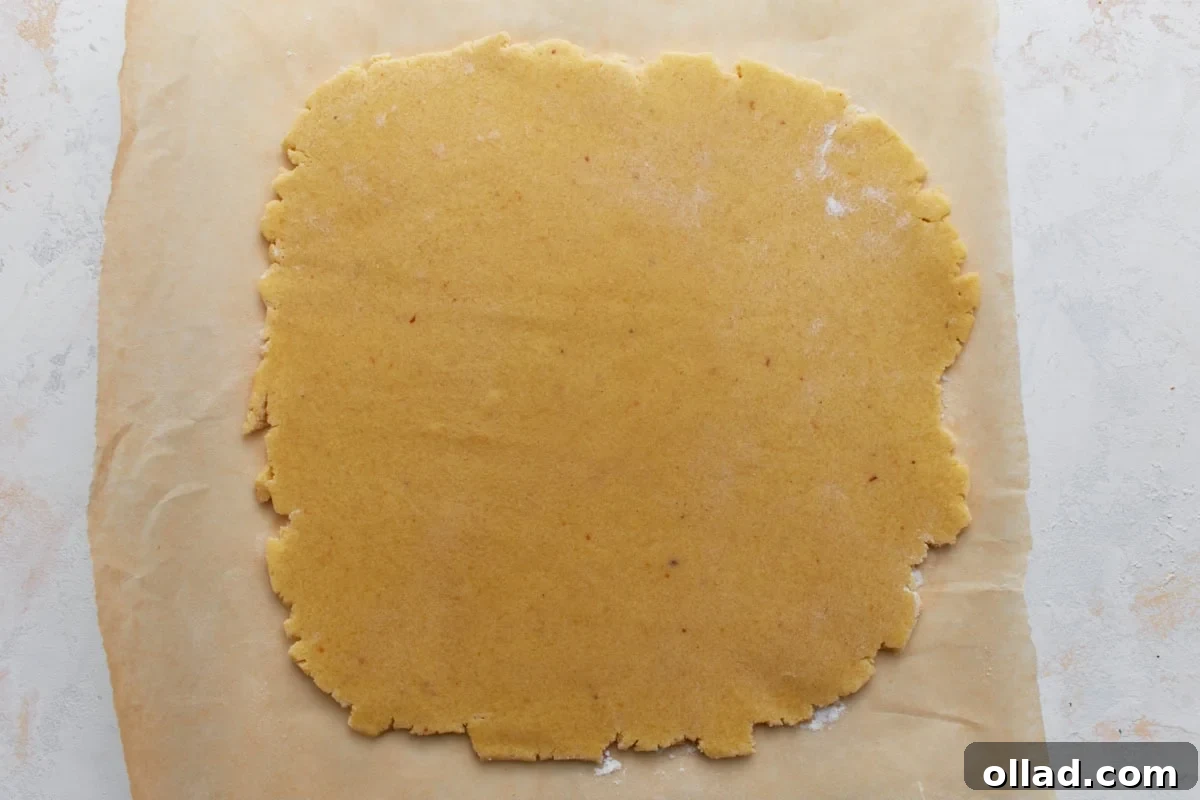
Wrap and chill: Once the dough has formed, wrap it tightly in plastic wrap and chill it in the refrigerator for a minimum of 30 minutes. This essential step firms up the butter in the dough, making it significantly easier to roll out without tearing or sticking, and helps the cookies hold their shape during baking. You can prepare this dough ahead of time and store it in the fridge for up to two days.
Roll out the dough: While the dough chills, preheat your oven to 350°F (175°C) and line a baking sheet with parchment paper. Once chilled, roll the dough between two sheets of parchment paper to an even ¼-inch thickness. If the dough feels sticky, a light dusting of gluten-free all-purpose flour on the parchment paper or dough will aid in easier rolling.
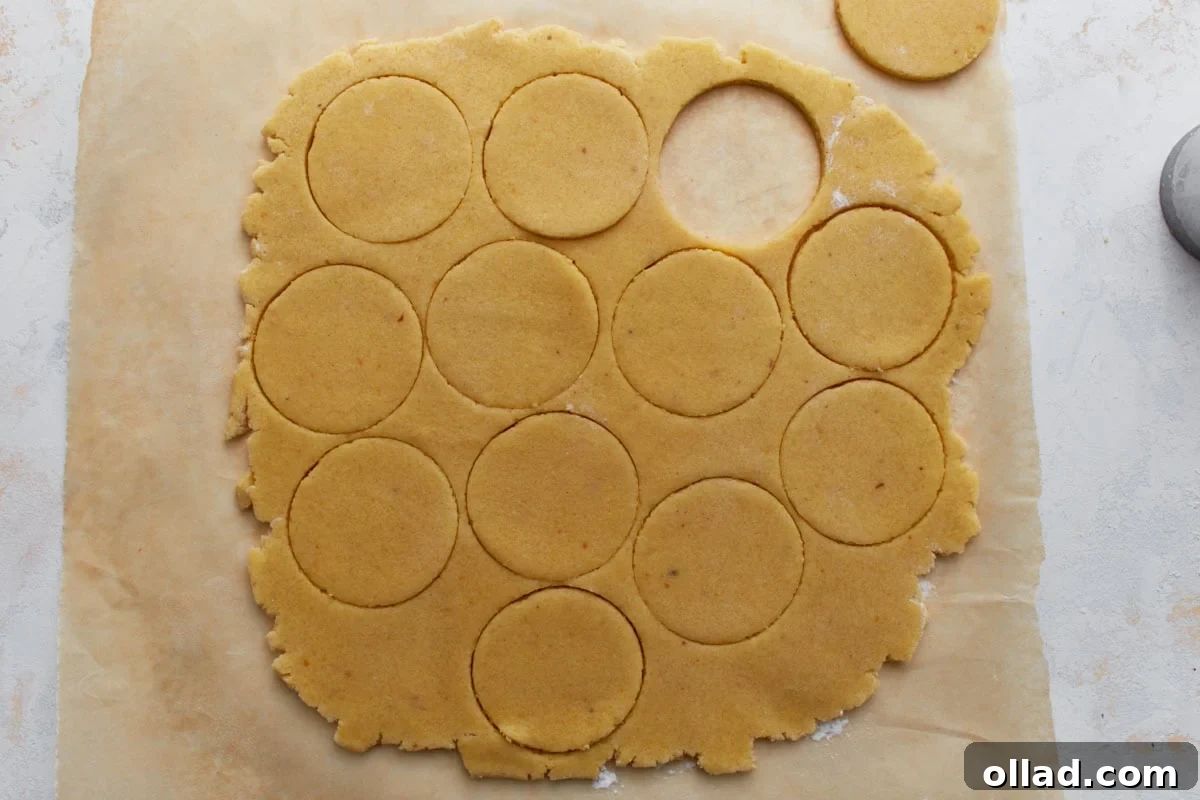
Cut out the cookies: Use your preferred cookie cutters to cut out shapes from the rolled dough. Any dough scraps that remain should be gently gathered, re-formed, wrapped, and returned to the refrigerator to chill briefly. This keeps the butter firm, ensuring subsequent rolls and cuts maintain their integrity. Continue this process until all the dough has been utilized.
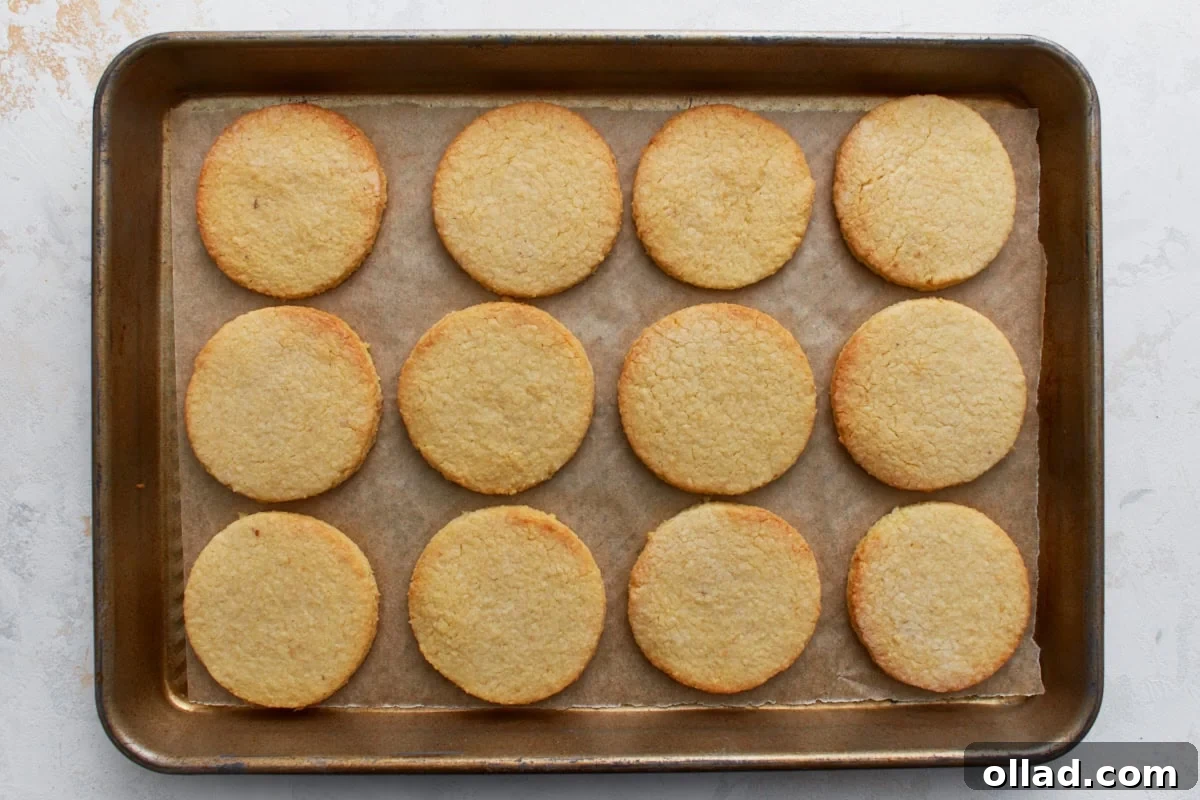
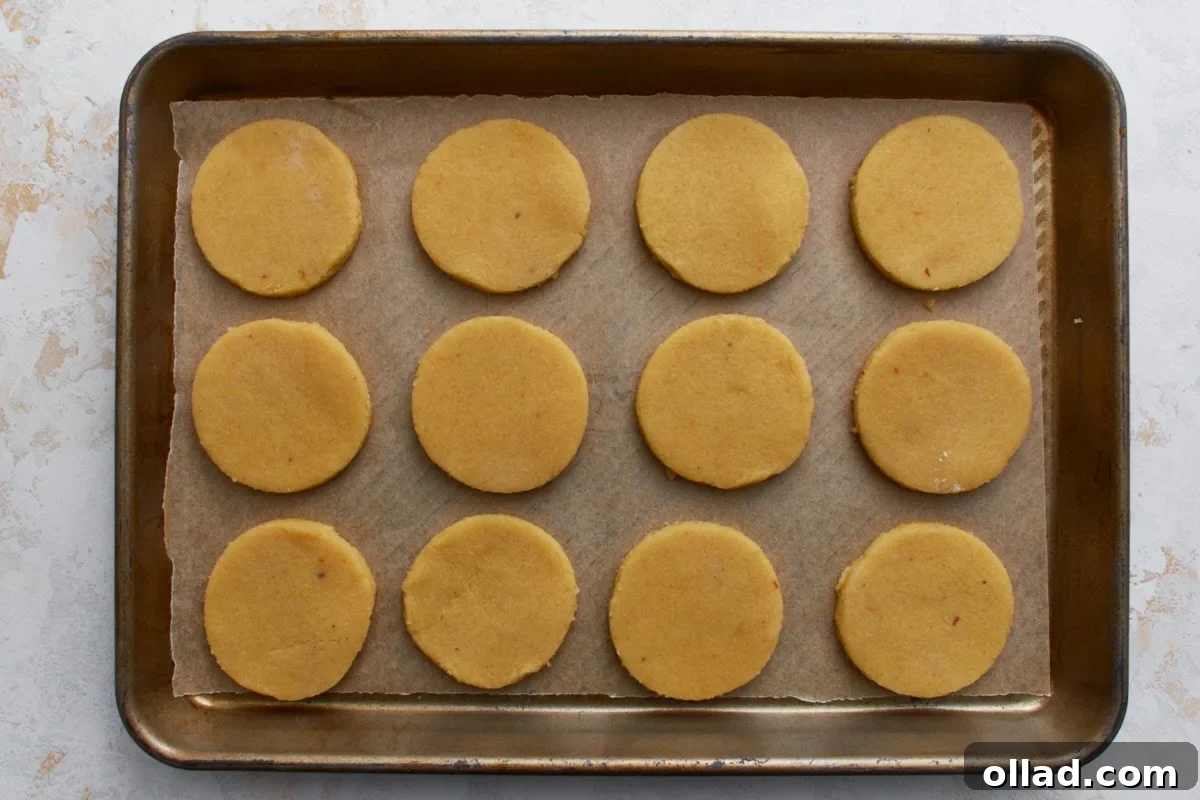
Fill a baking tray: Carefully transfer the cut cookie shapes to the prepared baking sheet. Arrange them about 1 inch apart to allow for even heat circulation during baking and to prevent them from merging together.

Bake the cookies: Bake in the preheated oven for 10-12 minutes, or until the edges of the cookies turn a beautiful, light golden-brown. If you prefer a slightly crisper cookie, bake for an additional 1 to 2 minutes, but be careful not to burn them. Keep a close eye on them during the last few minutes.

Cool and decorate: Once baked, let the cookies cool on the baking sheet for about 5 minutes to firm up. Then, carefully transfer them to a wire rack to cool completely. Once fully cooled, unleash your creativity! Frost and decorate them as you like with royal icing, buttercream, or simple glaze and sprinkles. Serve these delightful treats and savor every bite!
Creative Serving Suggestions for Your Almond Flour Sugar Cookies
These versatile almond flour sugar cookies are more than just a sweet treat; they’re a canvas for culinary creativity and a staple for any gathering. They are among my absolute favorite holiday delights, especially when served alongside a steaming cup of coffee or a rich dairy-free hot chocolate. The process of decorating them with family members truly adds to the festive spirit, making each cookie a small piece of art.
Consider these ideas for enjoying and sharing your freshly baked cookies:
- Holiday Cookie Boxes: These cookies are a perfect addition to a curated holiday cookie box. Pair them with other gluten-free favorites like gluten-free snickerdoodles, chocolate crinkles, or shortbread for an impressive and varied assortment.
- Classroom Parties and Bake Sales: Their familiar taste and customizable shapes make them a hit with children and adults alike, perfect for school events or fundraising efforts.
- Thoughtful Gifting: Wrap a batch beautifully and present them with a small jar of homemade frosting and sprinkles, offering a delightful DIY decorating experience for the recipient.
- Dessert Spreads: Arrange them on a platter with fresh berries, whipped cream, or a variety of dipping sauces for an elegant dessert spread.
- Pairing with Beverages: Beyond coffee and hot chocolate, these cookies also complement herbal teas, cold milk (dairy or non-dairy), or even a glass of sparkling cider.
- Frosting Variations: While delicious plain, they truly shine when frosted. A classic vanilla buttercream offers a rich and creamy contrast, while a tangy lemon glaze can add a bright, refreshing twist. For those with dietary restrictions, a luscious dairy-free buttercream works wonderfully and tastes just as decadent.
Storage and Freezing Tips
Proper storage is key to maintaining the delightful texture and fresh taste of your almond flour sugar cookies. Whether you plan to enjoy them immediately or save them for later, here’s how to keep them at their best:
- Room Temperature Storage (Baked Cookies): To keep your baked cookies soft in the center with perfectly crisp edges, store them in an airtight container at room temperature. They will retain their quality for up to 5 days. Ensure they are completely cool before storing to prevent condensation, which can make them soggy.
- Refrigerated Storage (Baked Cookies): If you wish to extend their shelf life slightly, you can refrigerate the baked cookies in an airtight container for up to a week. The texture may firm up a little when cold, but they will still be delicious.
- Refrigerating Unbaked Dough: The prepared cookie dough is wonderfully convenient for making ahead. Wrap it tightly in plastic wrap and store it in the refrigerator for up to 2 days. When you’re ready to bake, simply remove it from the fridge, let it sit for a few minutes to soften slightly if too hard, then roll and cut as usual.
- Freezing Unbaked Dough: For longer storage, the dough can be frozen for up to 2 months. Form the dough into a disc, wrap it tightly in several layers of plastic wrap, and then place it in a freezer-safe bag. Thaw the dough overnight in the refrigerator before proceeding with rolling and baking instructions.
- Freezing Baked Cookies: These cookies freeze exceptionally well after baking, making them perfect for meal prepping or having a stash of treats on hand. Once your cookies have cooled completely, arrange them in a single layer on a baking sheet and freeze until they are firm (this prevents them from sticking together). Once firm, transfer the frozen cookies to a freezer-safe bag or an airtight container, placing parchment paper between layers to prevent sticking. They will keep well in the freezer for up to 2 months.
- Thawing Frozen Baked Cookies: When you’re ready to enjoy, simply remove the desired number of cookies from the freezer and let them thaw at room temperature for about 15-30 minutes. They’ll be ready to eat, or you can decorate them once thawed if they weren’t frosted before freezing.
Frequently Asked Questions (FAQ)
Here are some common questions about making almond flour sugar cookies:
- Can I make these cookies dairy-free? Yes, absolutely! You can easily make these cookies dairy-free by substituting the unsalted butter with your favorite dairy-free butter alternative (stick form works best). Ensure it is softened to the same consistency as regular butter for optimal results. The rest of the ingredients are naturally dairy-free.
- Can I use a different flour instead of almond flour? This recipe is specifically formulated for blanched almond flour, which has a unique fat content and protein structure that contributes to the cookies’ tender texture and slight chewiness. Substituting with other flours like coconut flour or a gluten-free all-purpose blend will significantly change the texture and likely require extensive adjustments to the liquid and fat content, as these flours absorb moisture very differently. For best results, stick to blanched almond flour.
- Why are my cookies spreading too much? Several factors can cause cookies to spread. Ensure your butter is softened but not melted or overly warm. Properly chilling the dough is critical, as it solidifies the fat and helps the cookies hold their shape. Your oven temperature might also be too low, or you might be overworking the dough, which develops gluten-like structures and causes spreading. Make sure your baking powder is fresh.
- Can I add other flavors to the dough? Absolutely! Feel free to experiment with flavorings. A teaspoon of lemon zest or orange zest can add a bright, citrusy note. You could also try substituting a portion of the vanilla extract with almond extract for an even more pronounced almond flavor, or a touch of peppermint extract for a festive twist during the holidays.
- How thick should I roll the dough for the best results? Rolling the dough to ¼-inch thickness is ideal for these almond flour sugar cookies. This thickness provides a tender center while still allowing for slightly crisp edges. If rolled thinner, they might become too crispy; thicker, and they may not bake through evenly.
Explore More Gluten-Free Almond Flour Desserts
If you love the versatility and flavor of almond flour, you’ll definitely want to try these other fantastic gluten-free dessert recipes:
- Almond Flour Chocolate Cake
- Almond Flour Chocolate Chip Cookies
- Almond Flour Brownies
- Almond Flour Cake
- Almond Flour Pie Crust