Discover the ultimate recipe for Pandebono, a delightful Colombian cheese bread that is not only incredibly easy to make but also naturally gluten-free. This traditional treat, often enjoyed across Colombia, requires minimal ingredients and comes together in less than 30 minutes, making it perfect for a quick breakfast, a satisfying snack, or a unique side dish. Forget complicated kneading or long rise times – these crispy on the outside, soft and cheesy on the inside rolls are designed for effortless baking and maximum enjoyment. Prepare to be amazed by the rich flavors and irresistible texture of these gluten-free wonders!
What is Pandebono? A Taste of Colombian Tradition
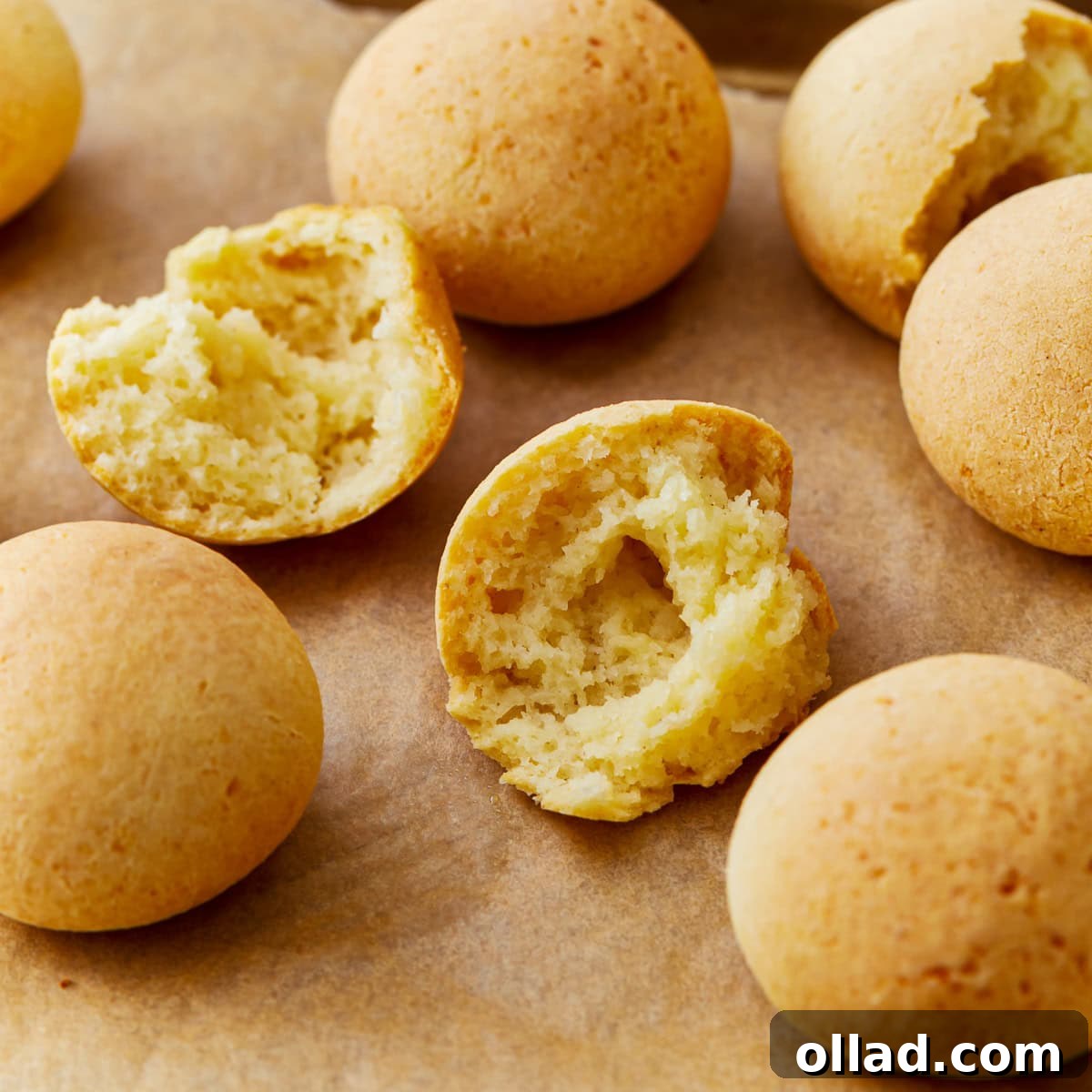
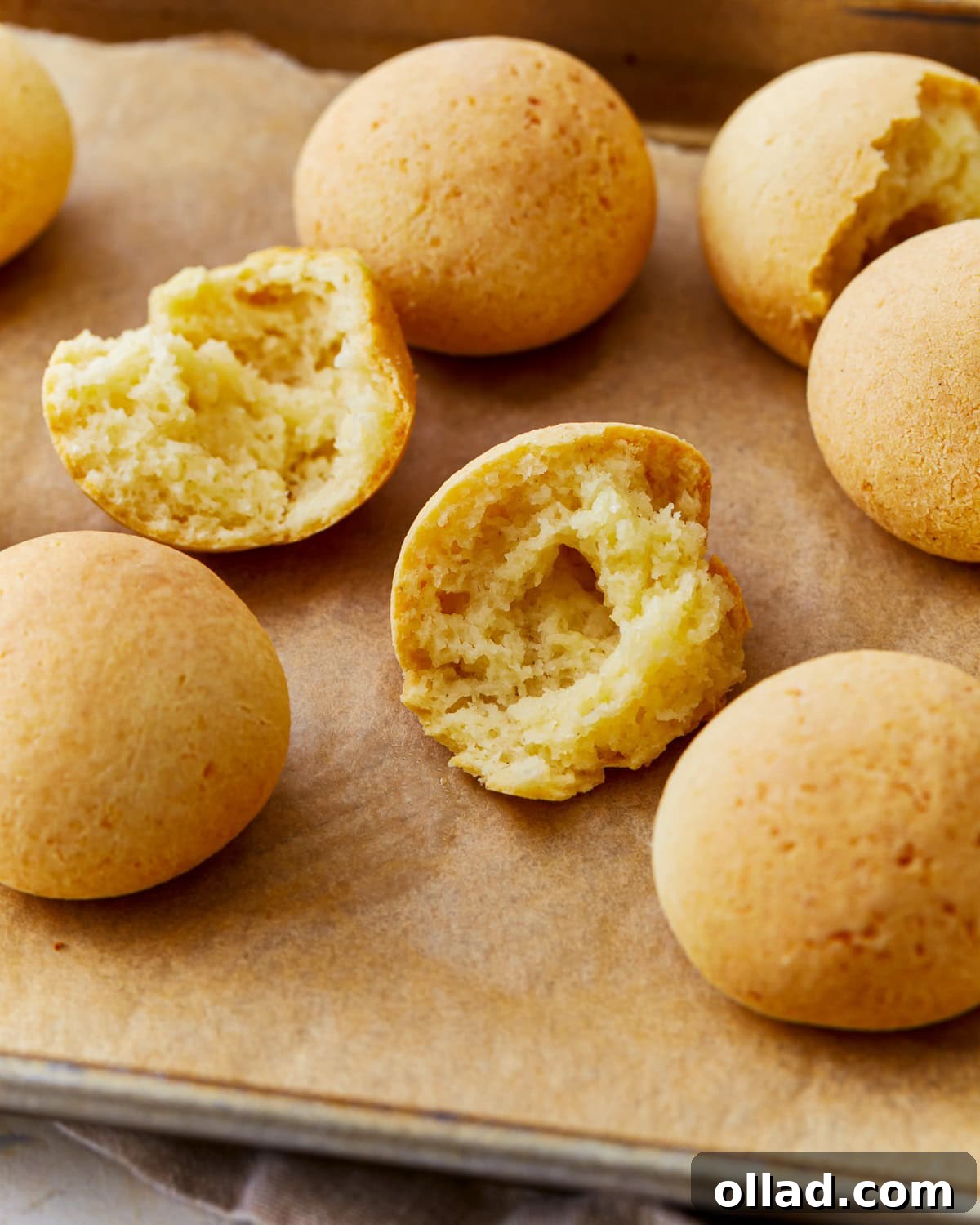
Pandebono, sometimes written as “pan de bono,” is a cherished traditional Colombian cheese bread. Its origins are often attributed to the Valle del Cauca region of Colombia, specifically Cali, where it’s a staple in bakeries and homes. While variations abound across the country, the essence of pandebono remains consistent: a delicious combination of cheese, a starchy flour blend, and egg, resulting in a distinctively chewy and flavorful bread. Some regional recipes might incorporate a touch of sweetness with guava paste, but this particular recipe focuses on highlighting the rich, savory cheese flavor that pandebono is famous for. You’ll find the crust beautifully crispy, giving way to an incredibly soft, airy, and wonderfully chewy interior dotted with pockets of melted cheese. The experience is truly addictive, and many are surprised to learn that these irresistible rolls are entirely gluten-free!
If you’re a fan of cheesy breads, you might also enjoy exploring the recipe for Brazilian cheese bread – Pão de Queijo!
The Simple Yet Flavorful Ingredients for Pandebono
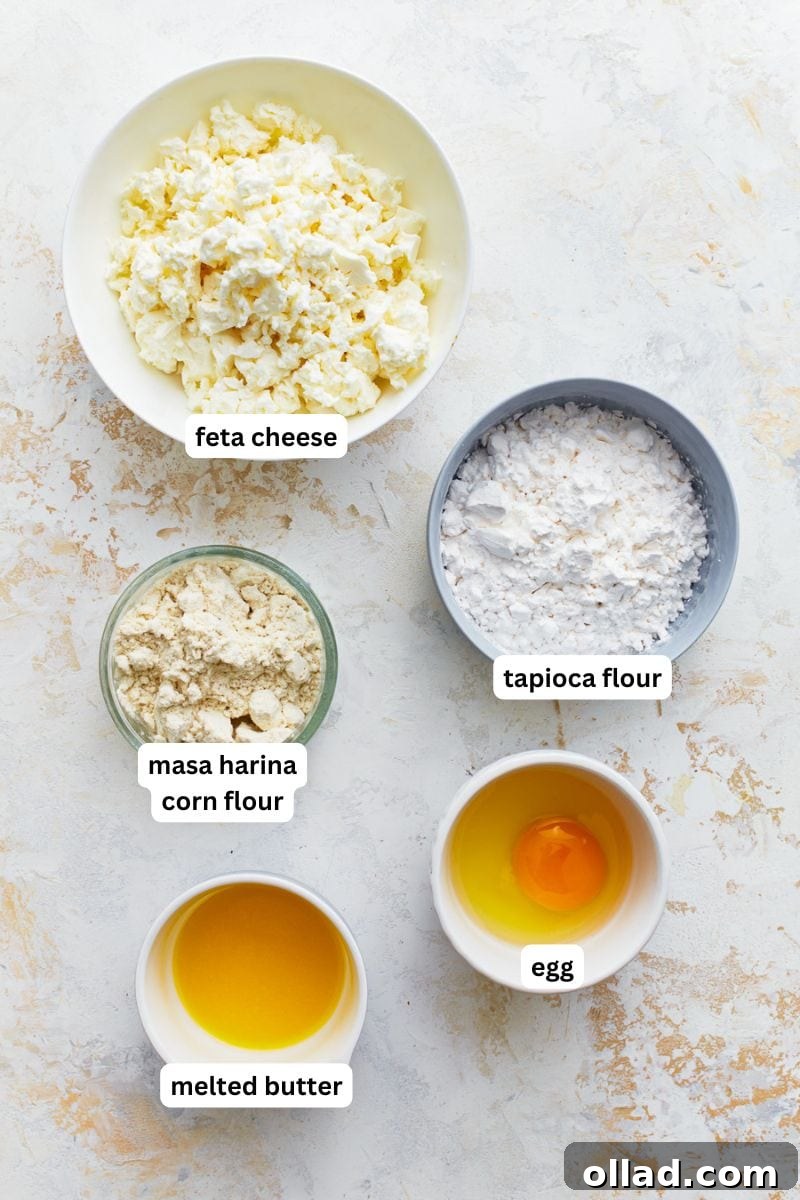
Crafting authentic Pandebono is surprisingly straightforward, thanks to a concise list of just five key ingredients. Each component plays a crucial role in achieving the signature taste and texture of this beloved Colombian cheese bread:
- Tapioca Flour (or Tapioca Starch / Cassava Starch): This ingredient is paramount for giving pandebono its characteristic chewy, elastic texture. It’s often found under different names, such as tapioca starch or cassava starch, but it’s important not to confuse it with cassava flour, which has a different consistency and will alter the end result. Tapioca flour also contributes to the light crispness of the exterior.
- Masa Harina: A staple in Latin American cuisine, masa harina is a special type of corn flour made from dried corn dough that has been treated with an alkali process (nixtamalization). It’s most commonly used for making tortillas and tamales. In pandebono, masa harina imparts a subtle, earthy corn flavor and a delicate tang that beautifully complements the cheese. It is crucial not to substitute masa harina with regular cornmeal, as they are processed differently and have distinct textural properties.
- Feta Cheese: While traditional Colombian pandebono often uses local cheeses like Quesito Colombiano or queso costeño, feta cheese makes an excellent, readily available substitute. Its salty, tangy profile closely mimics the fresh, salty flavors of these Colombian cheeses, ensuring an authentic taste experience. You can also experiment with other fresh, crumbly cheeses like queso fresco or farmer’s cheese for similar results. (Please note: this recipe has not been tested with dairy-free cheese alternatives.)
- Egg: Beyond binding all the ingredients together, the egg adds essential moisture to the dough, contributing to its smooth texture and helping to create structure during baking. Using a large egg ensures the right balance of liquid and protein for optimal dough consistency.
- Butter: Melted unsalted butter enriches the pandebono dough, adding a delicate richness and contributing to a tender crumb. Unsalted butter is preferred to control the overall saltiness, especially since feta cheese already provides a significant savory element.
Expert Tips and Suggestions for Perfect Pandebono
Achieving bakery-quality pandebono at home is simple with a few helpful tips and tricks:
- Handling Sticky Dough: The pandebono dough is naturally soft and pliable, which can sometimes feel a bit sticky. Don’t worry, this is normal! If you find it challenging to form the dough balls, simply lightly oil your hands or dust them with a little tapioca flour. Alternatively, you can pop the dough into the refrigerator for about 15 minutes. Chilling the dough slightly will make it firmer and much easier to handle and shape.
- Mixing Method – Food Processor vs. Hand Mixing: While you can absolutely mix the dough by hand, using a food processor is highly recommended. It significantly streamlines the process, ensuring that the ingredients, especially the feta cheese, are evenly and thoroughly incorporated into the dough. If you’re mixing by hand, begin by combining the crumbled feta cheese with the egg until the cheese is well distributed. Then, gradually add this mixture to your dry ingredients, mixing until a cohesive, slightly sticky dough forms.
- Room Temperature Egg: For the best results, allow your egg to come to room temperature before adding it to the mixture. A room temperature egg emulsifies more easily with the other ingredients, leading to a smoother, more uniform dough consistency and a better overall texture in your finished pandebono.
- Understanding the Rise (No Leavening Agents Needed!): You might notice that this recipe doesn’t call for traditional leavening agents like baking powder or yeast. This is one of the magical aspects of pandebono! The bread achieves its impressive rise and airy interior primarily through the power of steam and the creation of tiny air pockets within the starch-rich dough during baking. To ensure a fantastic rise and the perfect crispy crust, it’s crucial that your oven is fully preheated and very hot (400°F/204°C) before you place the pandebono inside. The initial burst of high heat sets the crust quickly and maximizes steam production for a beautifully puffed bread.
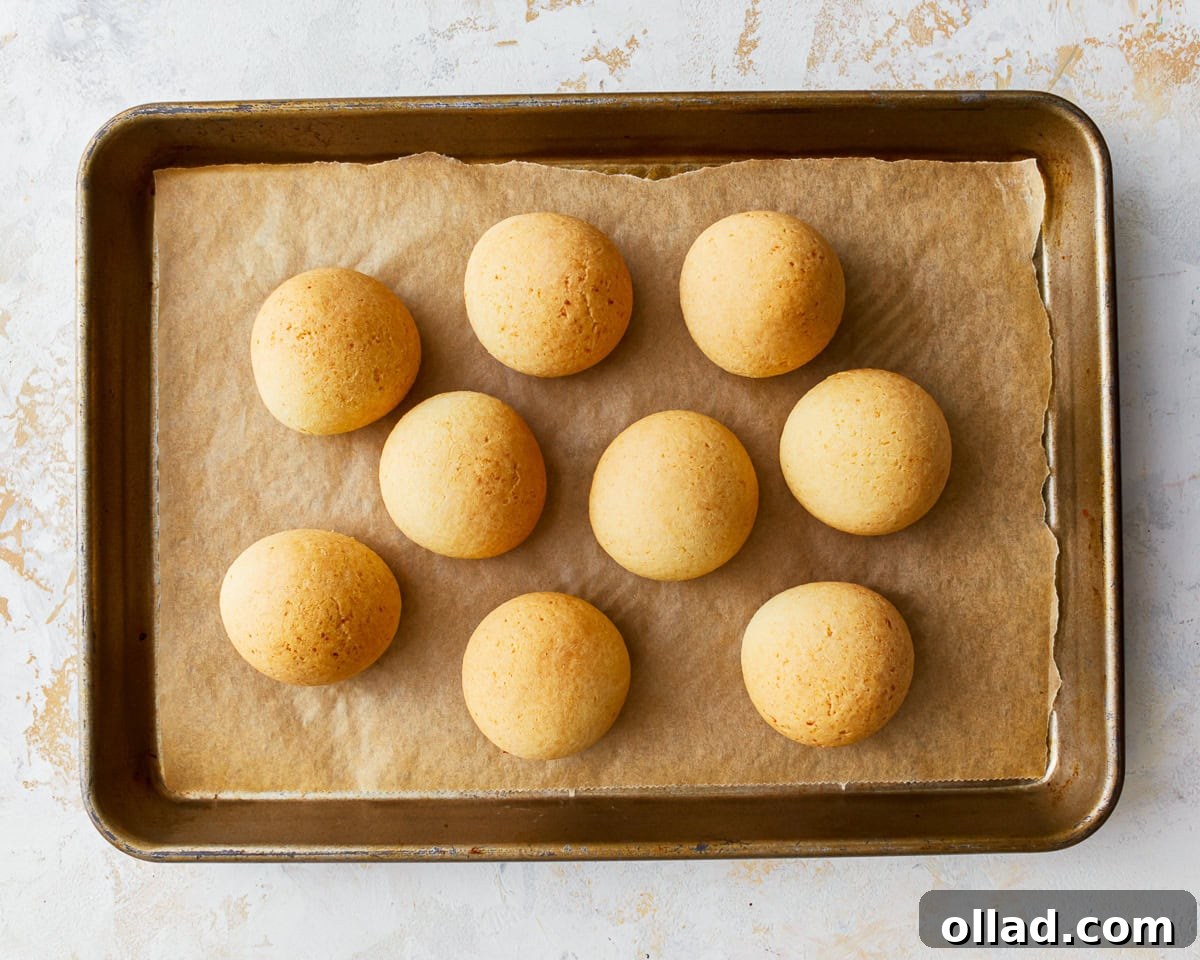
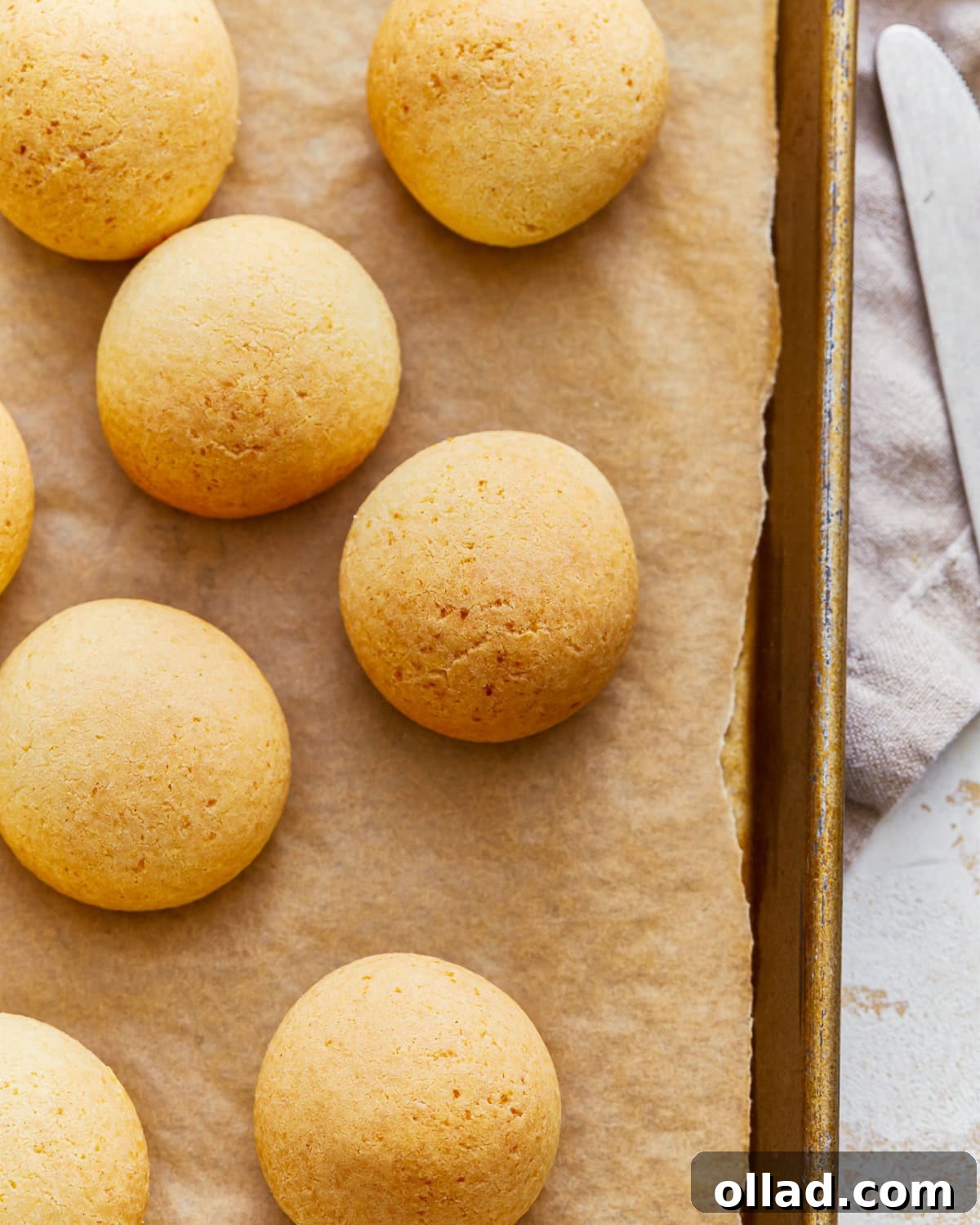
- Achieving the Golden-Brown Crust: For that irresistible golden-brown exterior, keep an eye on your pandebono during the last few minutes of baking. Ovens can vary, so adjust baking time as needed. If they are not quite golden after 15-20 minutes, you can bake them for a few extra minutes until they reach your desired color.
How to Serve Pandebono: Versatility for Any Occasion
In Colombia, pandebono is traditionally enjoyed as a staple breakfast item or a delightful afternoon snack, often paired with a cup of rich hot chocolate or strong Colombian coffee. However, its versatility extends far beyond these traditional settings. These warm, cheesy rolls are so delicious, you’ll find yourself wanting to enjoy them at any time of day!
Pandebono tastes absolutely divine when served warm, straight from the oven, allowing the cheese to remain perfectly melty and the crust at its crispiest. Consider serving it just as you would any other bread roll. It makes an excellent accompaniment to a variety of meals, complementing hearty dishes beautifully. Imagine them alongside a comforting bowl of our gluten-free chicken noodle soup, a rich and savory gluten-free beef stew, or a spicy gluten-free chili. You can also get creative and use pandebono as a unique and flavorful base for mini sandwiches or sliders, perfect for parties or a light lunch. For an authentic Colombian experience, serve them alongside a traditional beverage like “aguapanela” (unrefined cane sugar drink) or “avena” (oatmeal drink).
What Does Pandebono Taste Like? A Unique Flavor Profile
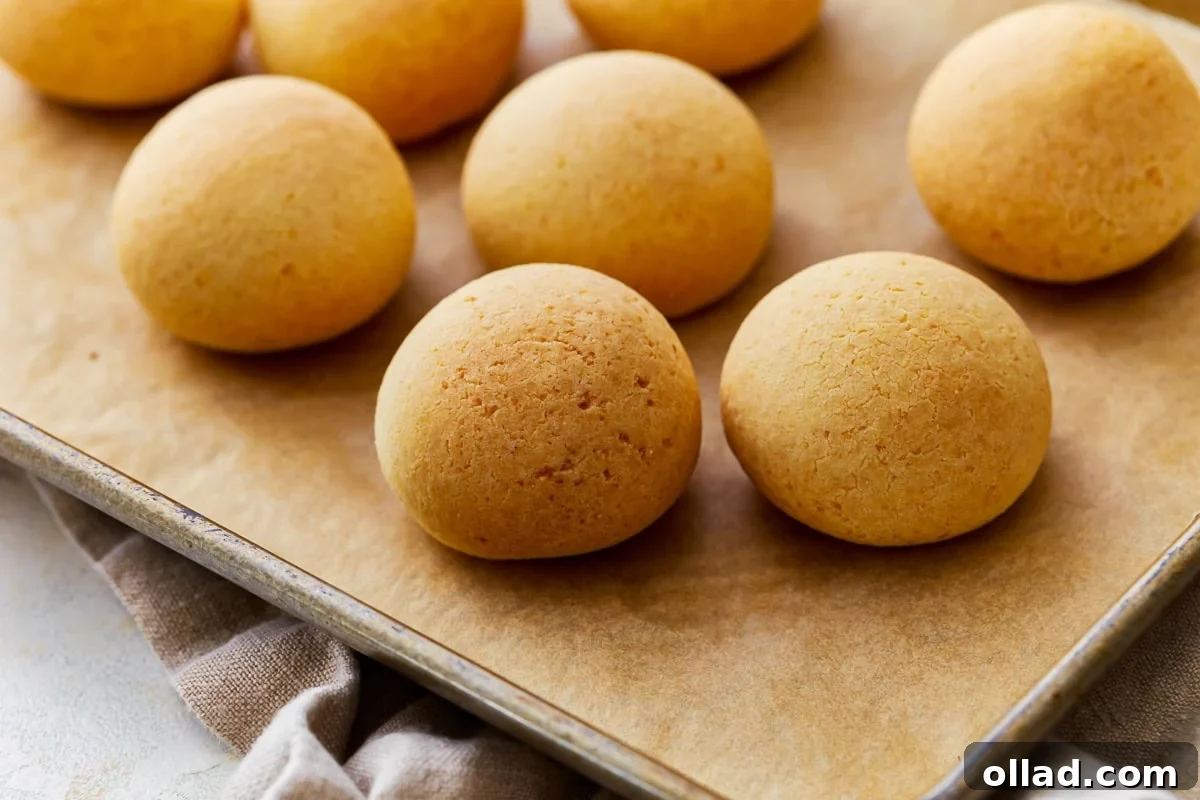
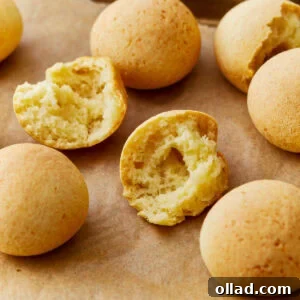
The flavor of pandebono is a delightful and complex experience that sets it apart from other breads. It strikes a beautiful balance, offering a subtle sweetness that is perfectly complemented by the inherent saltiness and tang of the feta cheese. The masa harina corn flour introduces a distinctive, slightly sour, and earthy undertone that adds another layer of depth to the overall taste. Texturally, it’s a dream: the exterior boasts a wonderfully crispy crust that gives way to a light, airy, and incredibly chewy crumb. This unique combination of sweet, salty, tangy, and textural contrasts makes pandebono an unforgettable treat that will leave you craving more. It’s truly a taste sensation you won’t want to miss, especially knowing it’s a naturally gluten-free delight.
Can I Make the Dough Ahead of Time? Meal Prep Solutions for Pandebono
Yes, pandebono is incredibly forgiving and perfect for meal prepping! You can easily prepare the dough in advance and store it in the refrigerator for up to 24 hours. Simply cover the dough tightly with plastic wrap to prevent it from drying out, and then bake it when you’re ready. For even longer storage, you can freeze the shaped dough balls. To do this, arrange the golf-ball-sized dough portions on a baking sheet and flash-freeze them until solid. Once frozen, transfer them to a freezer-safe bag or airtight container, where they can be stored for up to a month. When you’re ready to bake, there’s no need to thaw them – simply place the frozen dough balls directly onto a prepared baking sheet and add a few extra minutes to the baking time. This flexibility makes pandebono a fantastic option for fresh, warm bread whenever the craving strikes!
Storage and Reheating Instructions for Pandebono
Proper storage ensures your pandebono stays fresh and delicious for as long as possible. Leftover Colombian cheese bread can be stored in an airtight container at room temperature for 2-3 days. While they are best enjoyed warm and fresh, they reheat wonderfully!
To reheat, place the pandebono in a preheated oven at 350°F (177°C) for 5-7 minutes, or until warmed through and the crust is slightly crispy again. If you’re in a hurry, you can also warm them in the microwave for 20-30 seconds, though this method might yield a softer crust. For longer storage, pandebono freezes exceptionally well. Once completely cooled, transfer them to a freezer-safe bag or container and freeze for up to 2 months. Reheat from frozen in a preheated oven at 350°F (177°C), adding a few minutes to the baking time.
More Gluten-Free Bread Recipes to Try!
If you loved this Pandebono recipe, you’re in for a treat! Exploring the world of gluten-free baking can be incredibly rewarding. Here are some more delicious gluten-free bread recipes that you might enjoy adding to your repertoire:
- Easy Gluten-Free Bread
- Cloud Bread
- Gluten-Free Potato Bread
- Gluten-Free Dinner Rolls
- Gluten-Free Pita Bread
- Cassava Bread
Pandebono (Colombian Cheese Bread)
Sabine Venier
9 servings
15 mins
15 mins
30 mins
Ingredients
- 8 oz feta cheese, crumbled
- ⅔ cup tapioca flour
- ⅓ cup masa harina corn flour
- 1 large egg, room temperature
- 1 tablespoon unsalted butter, melted
Instructions
-
Preheat your oven to 400°F (204°C). Line a baking sheet with parchment paper and set aside.
-
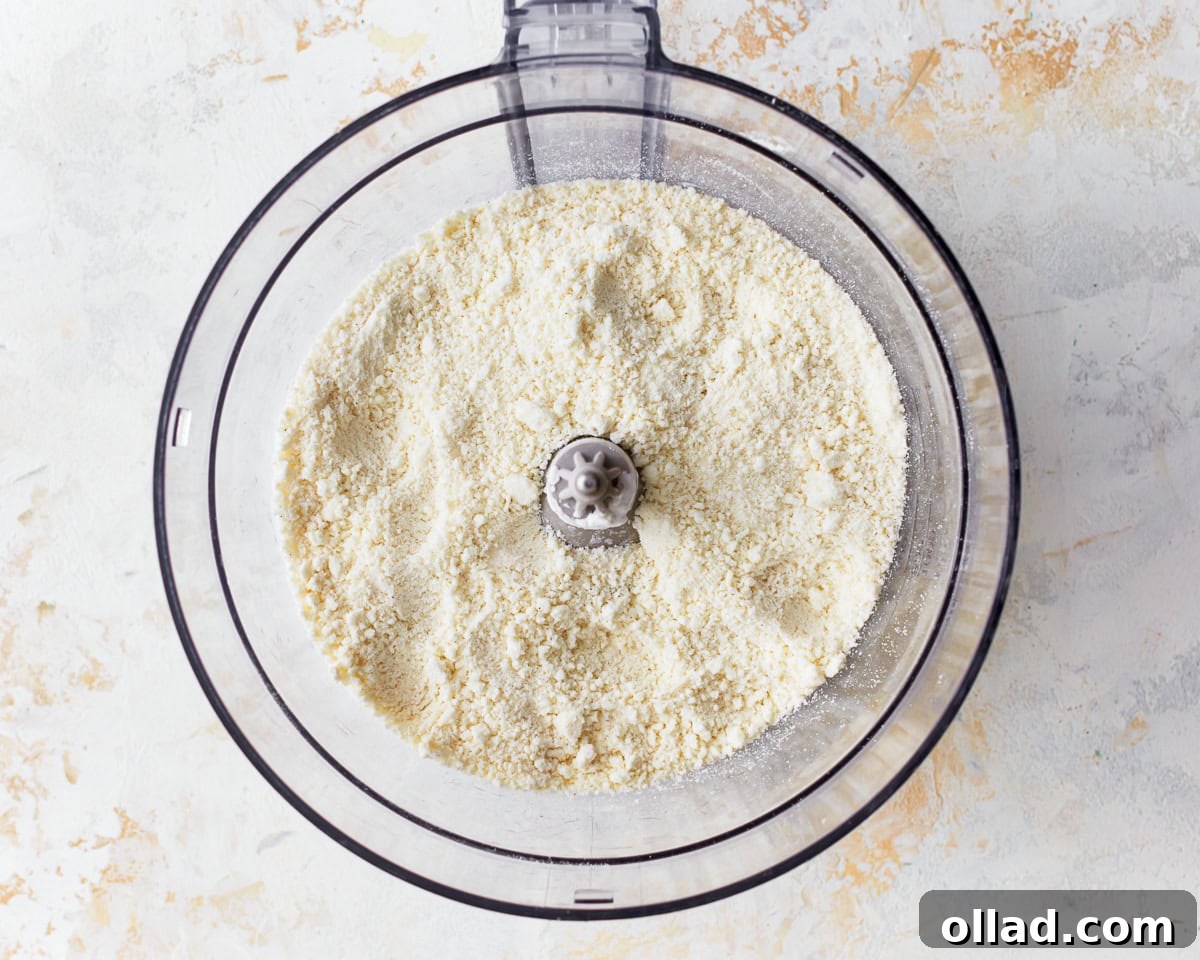
Place the feta cheese, masa harina corn flour, and tapioca starch in a food processor. Pulse until well combined.
-
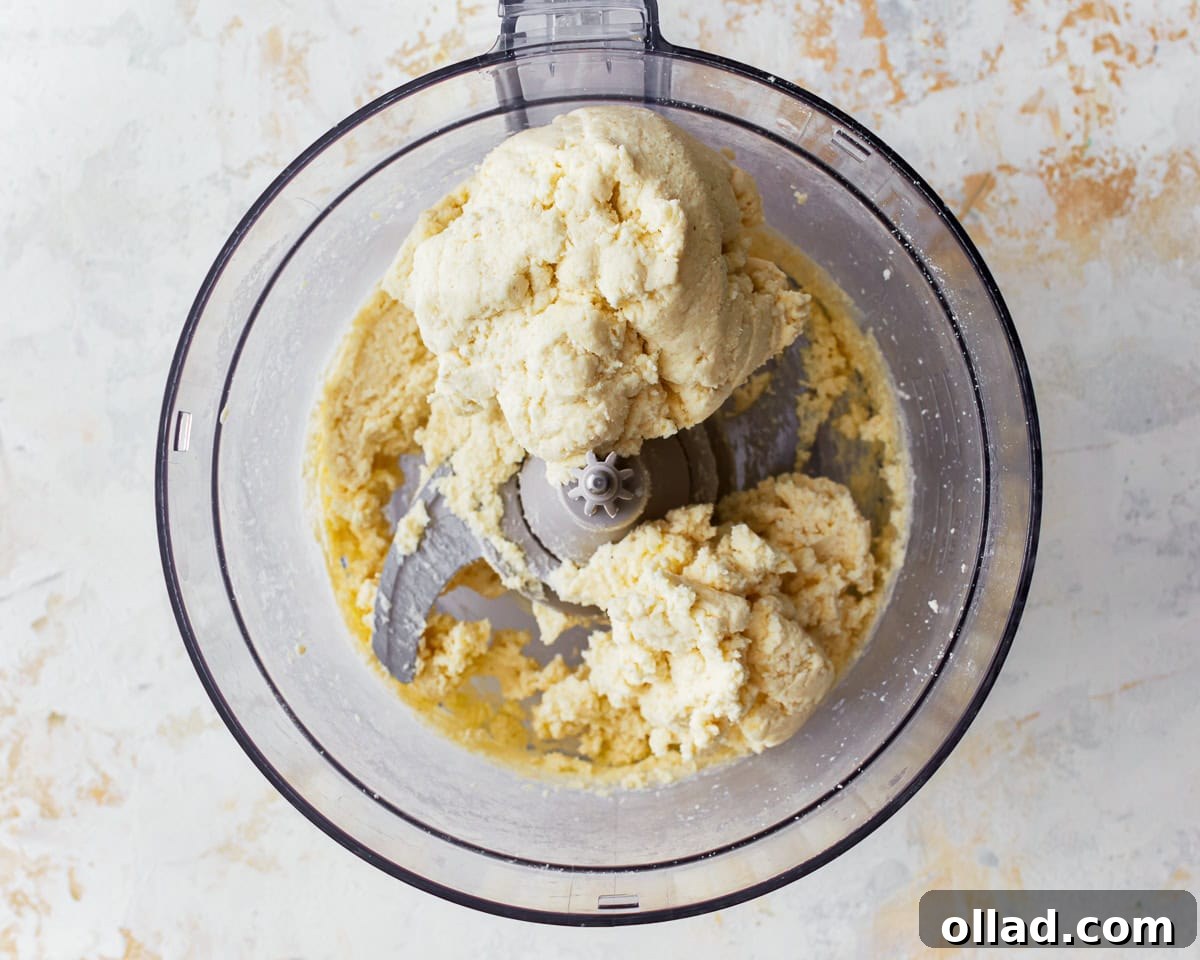
Add the egg and melted butter and process until a dough forms. It should come together and be slightly sticky but manageable.
-
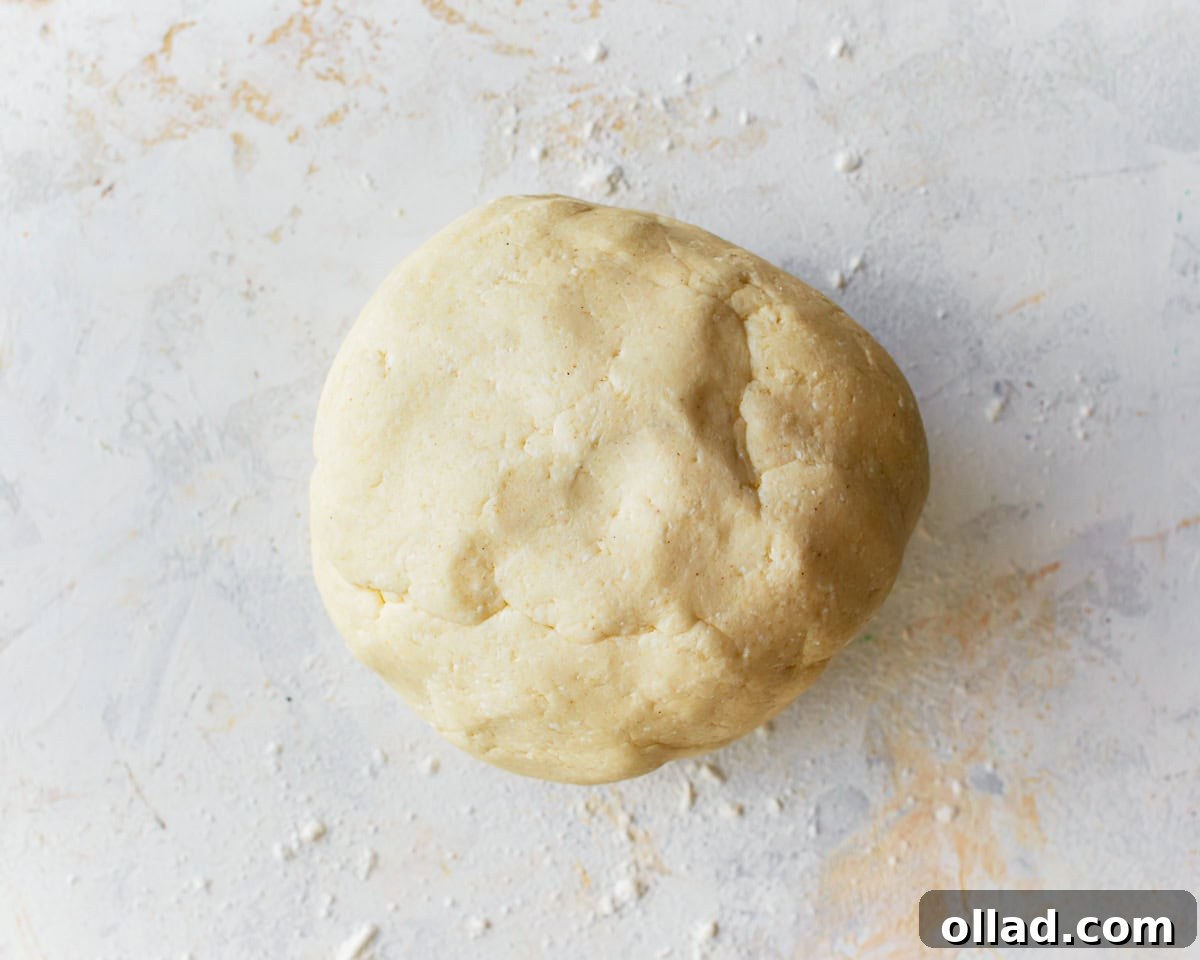
Remove the dough from the food processor and transfer it to a clean surface lightly dusted with tapioca flour.
-
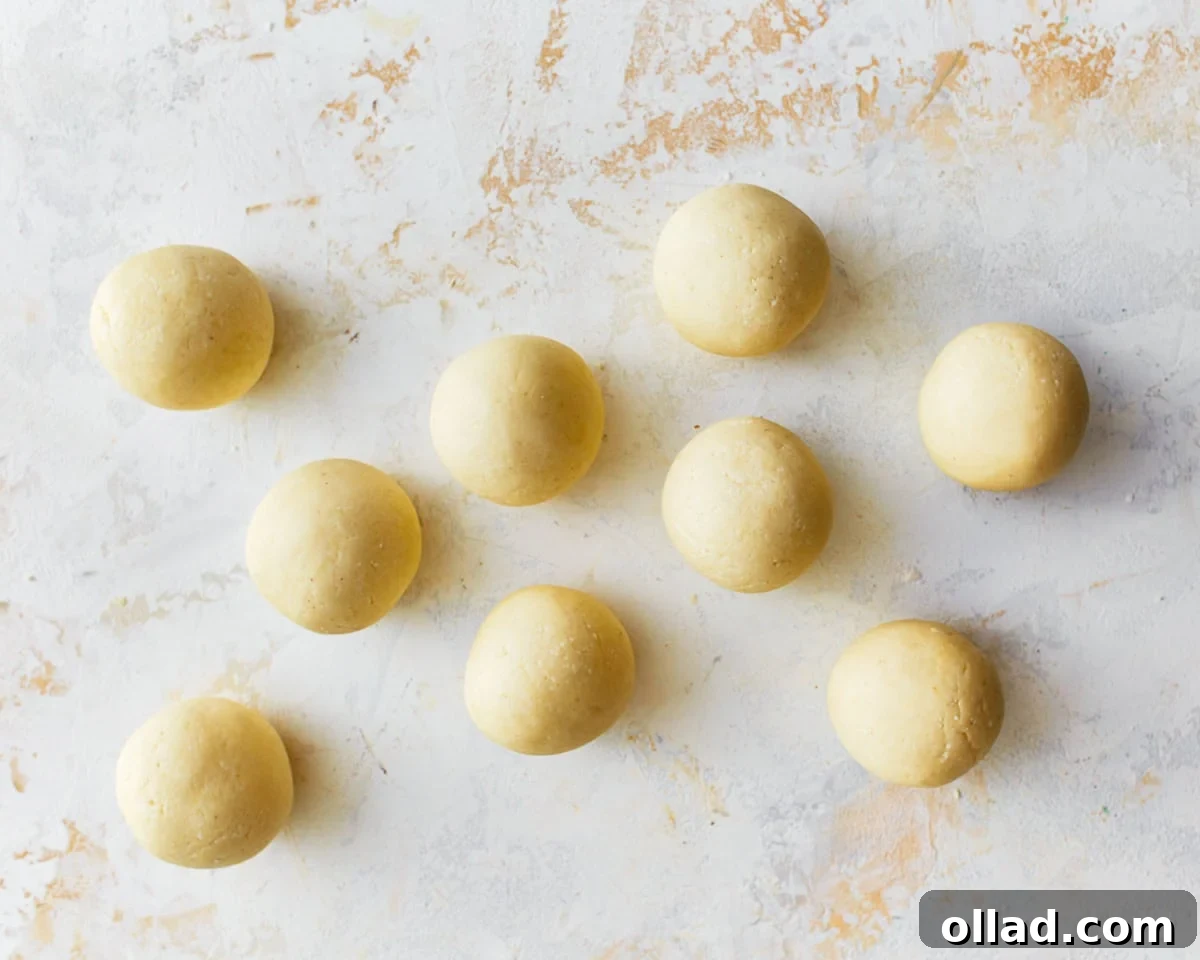
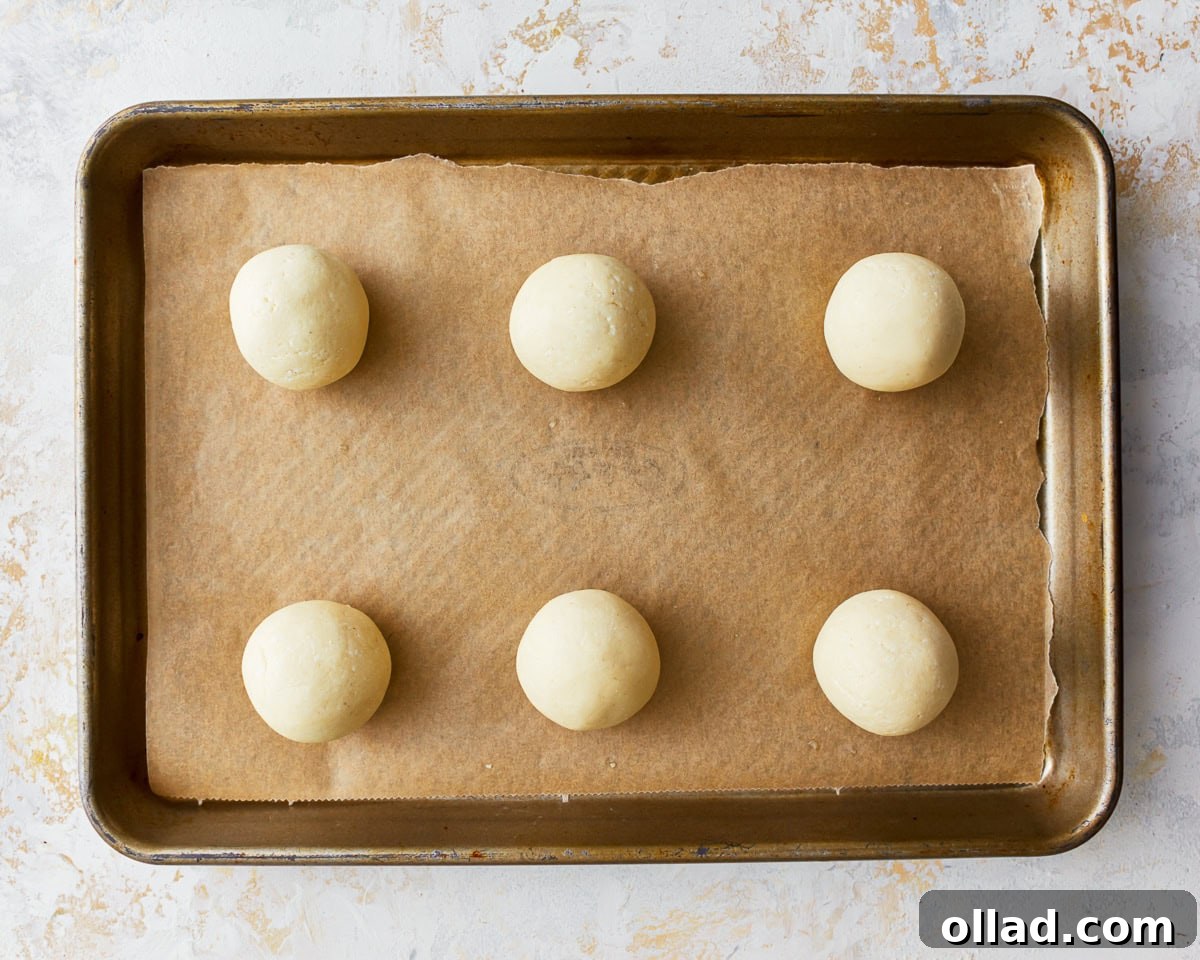
Divide the dough into equal portions and shape each portion into a ball, about the size of a golf ball.
-
Place the balls of dough onto the prepared baking sheet, spacing them a few inches apart to allow for spreading.
-
Bake in the preheated oven for 15-20 minutes, or until they are golden brown and puffed up.
-
Remove from the oven and let them cool for a few minutes before serving. Enjoy warm.
Notes
- Make sure the oven is preheated to 400°F (204°C) before baking to help the bread rise.
- To Store: Keep in an airtight container for 2-3 days at room temperature.
- To Reheat: Heat in a preheated oven at 350°F (177°C) for 5-7 minutes or 20-30 seconds in the microwave.
- To Freeze: Keep in a freezer-safe bag or container for up to 2 months. You can also freeze the unbaked dough balls for up to a month.
- Mama says, “Check all of your labels!”
Nutrition
Calories: 131 kcal
Carbohydrates: 12 g
Protein: 5 g
Fat: 7 g
Saturated Fat: 4 g
Polyunsaturated Fat: 0.4 g
Monounsaturated Fat: 2 g
Trans Fat: 0.1 g
Cholesterol: 46 mg
Sodium: 296 mg
Potassium: 37 mg
Fiber: 0.3 g
Sugar: 0.02 g
Vitamin A: 184 IU
Calcium: 133 mg
Iron: 1 mg
Nutrition information is automatically calculated, so should only be used as an approximation.
Additional Info
Side Dish
Colombian
How to Make Pandebono (Colombian Cheese Bread) Step-by-Step
Follow these simple steps to create your own batch of delicious, homemade Pandebono: